SAEDNEWS: Steam on a pot lid is more than a sign that food is cooking. It affects heat retention, moisture, evaporation, and the temperature inside the pot. Understanding how steam behaves can help explain why covering a pot may speed up or sometimes alter the cooking process.
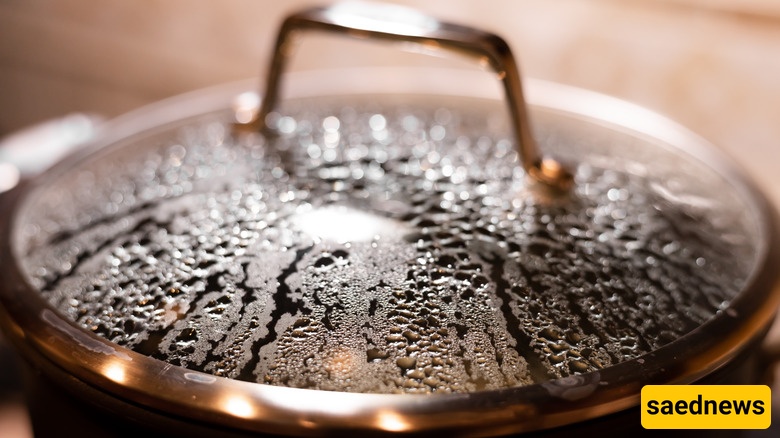
According to SAEDNEWS, when water or another liquid inside a pot is heated, some of it turns into steam. The hot vapor rises and reaches the cooler surface of the lid, where it condenses into small water droplets. This process shows that heat and moisture are continuously moving between the food, liquid, steam, and lid.
Keeping the lid on generally reduces heat loss from the pot. Less heat escapes into the surrounding air, allowing the cooking environment to remain hotter and more stable. As a result, water can reach and maintain a strong simmer more efficiently, which may shorten the time needed for some foods to become tender.
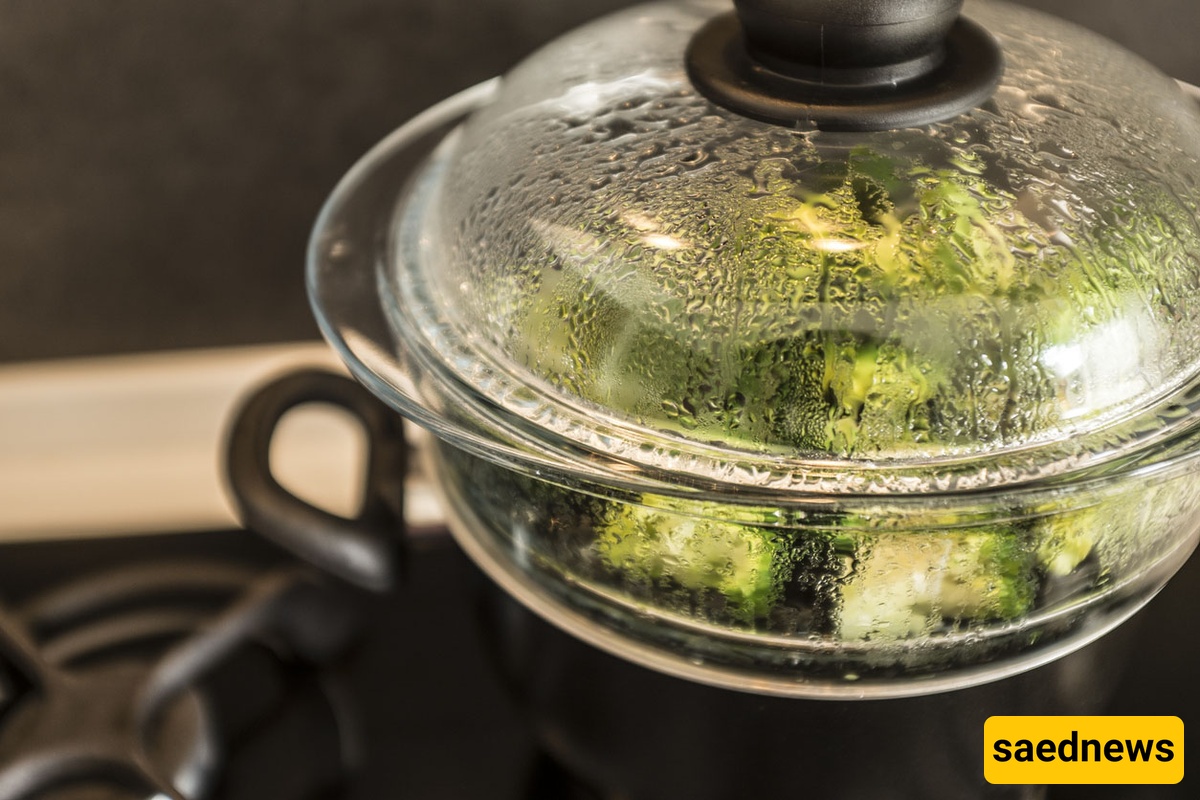
An uncovered pot allows more water to escape as vapor. With a lid in place, much of the steam condenses and returns to the pot. This helps maintain the amount of cooking liquid and prevents food from drying out too quickly. The increased moisture can be especially useful when cooking foods that require a longer period of gentle heating.
The droplets that form on the lid eventually fall back into the pot. This creates a cycle in which water evaporates and then returns as liquid. Because the lid controls evaporation, the amount of liquid remaining in the pot can differ from that in an uncovered pot, potentially changing both cooking time and the final texture of the food.
Taking the lid off allows heat and steam to escape more easily. The temperature and moisture conditions inside the pot may then change, so cooking can take longer or produce a different result. For this reason, recipes often specify whether the pot should remain covered or uncovered during different stages of cooking.