SAEDNEWS: Some children avoid healthy foods because of unfamiliar flavors, textures, habits, or their natural preference for familiar meals. Patient encouragement and positive mealtime experiences can gradually help children accept nutritious foods.

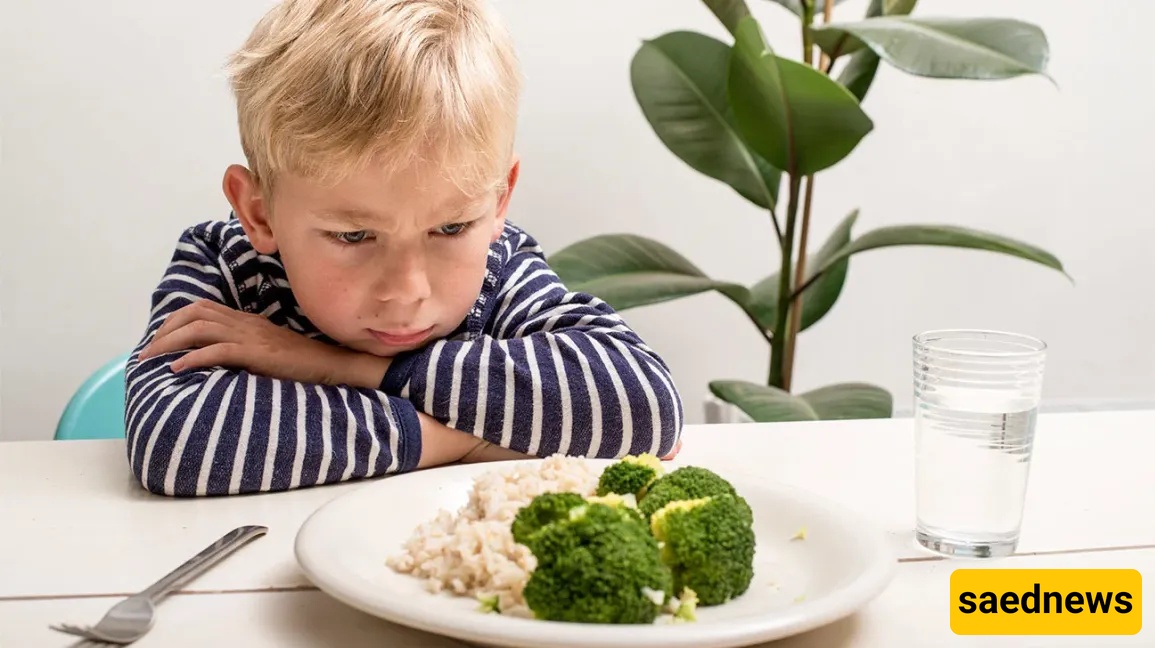
According to SAEDNEWS, children may reject healthy foods simply because they look, smell, or feel unfamiliar. Vegetables, whole grains, fruits, and other nutritious foods can have textures or flavors that children are not accustomed to. Young children often feel more comfortable eating familiar meals, especially when they have already developed strong food preferences.
Children usually need time to become comfortable with new foods. Seeing a particular vegetable or fruit several times before tasting it can make it seem less unfamiliar. Parents can introduce new foods alongside meals the child already enjoys instead of expecting immediate acceptance.
Some children are particularly sensitive to the texture, temperature, smell, or appearance of food. A soft vegetable may be rejected while the same vegetable in a different preparation may be accepted. Cutting fruits and vegetables into appealing shapes or changing their cooking method can make nutritious foods more interesting.
Pressure at the table can make children associate healthy foods with stress. A calm environment and positive example from parents can encourage better eating habits. Allowing children to participate in simple tasks, such as washing fruits or arranging vegetables on a plate, can also increase their interest in nutritious foods.
Building healthy eating habits requires patience and consistency. Parents can offer a variety of nutritious foods regularly without forcing children to eat them. Balanced meals, reasonable portions, and repeated exposure can gradually expand a child's preferences. Over time, children may become more willing to try foods they previously refused.