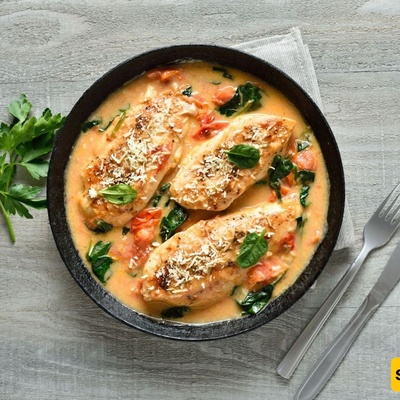
SAEDNEWS: Oil absorption plays an important role in the texture, flavor, and overall quality of many foods. The structure of ingredients, cooking temperature, moisture level, and preparation methods can determine how quickly oil enters food. Understanding these factors helps create dishes with a balanced texture and improved taste.
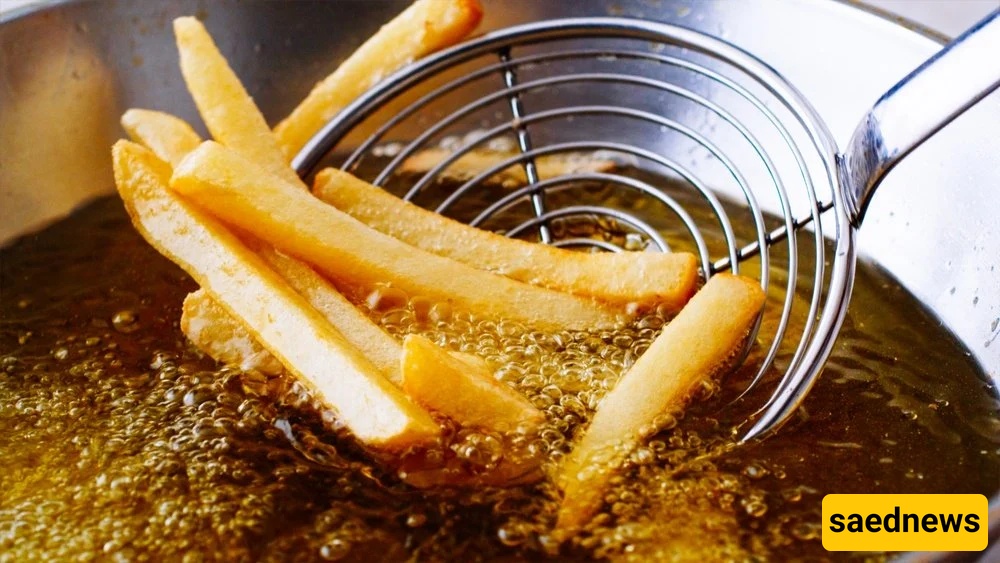
According to SAEDNEWS, the ability of food to absorb oil depends greatly on its internal structure. Ingredients with more open spaces or softer textures can allow oil to move inside more quickly. When food has small gaps between its components, oil can spread through these areas and create a richer texture.
The amount of water inside food has a major effect on how oil is absorbed. During cooking, moisture leaves the food and creates pathways that allow oil to enter. Foods with the right balance of moisture can develop a smoother texture, while excessive dryness or too much water may change the final result.
Temperature is another important factor that affects how much oil a food takes in. When the cooking surface is properly heated, the outer layer can become firm faster and reduce excessive oil absorption. Lower or uneven temperatures may allow more oil to enter the food and make the texture heavier.
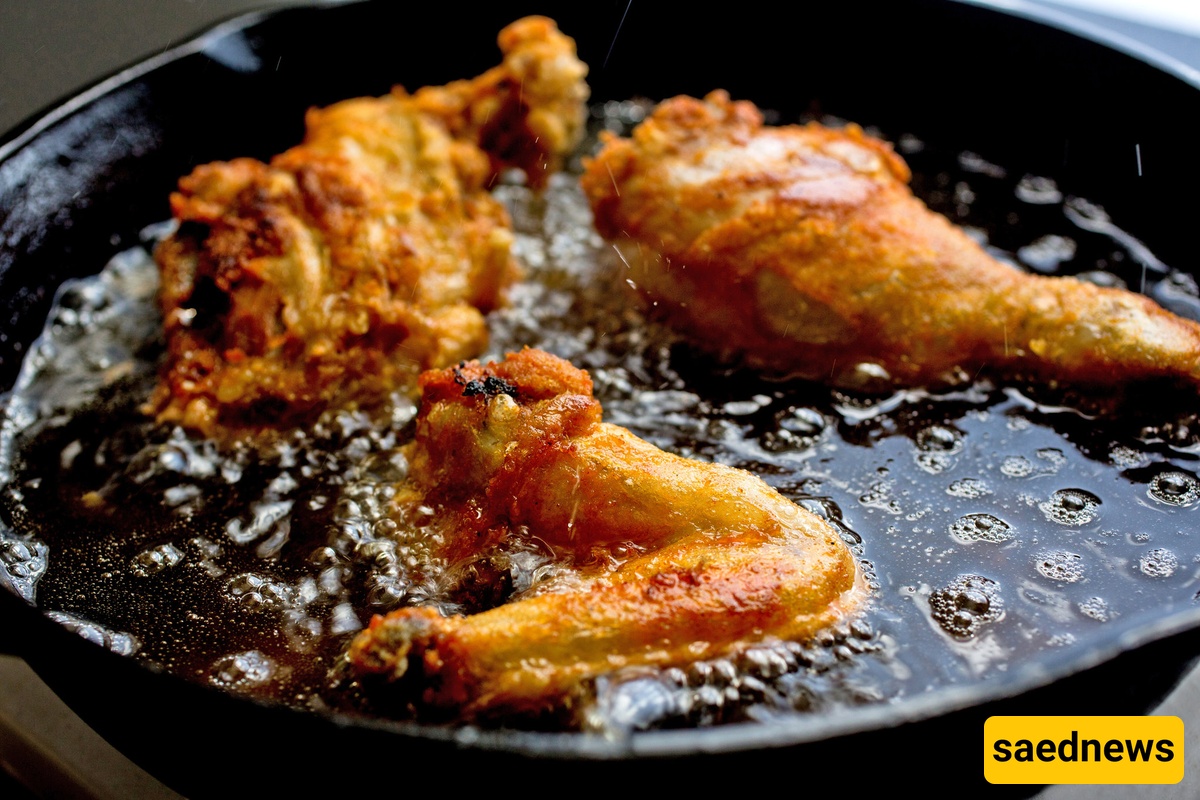
The way ingredients are prepared before cooking can also influence oil absorption. Cutting size, thickness, and surface condition can change how oil interacts with food. Smaller pieces or surfaces with more exposure may absorb oil faster, while thicker pieces often absorb it more slowly.
Controlling oil absorption is a useful technique for achieving better texture and flavor. Choosing suitable cooking methods, maintaining proper heat, and preparing ingredients carefully can help create foods that are neither too dry nor overly oily. These simple adjustments can improve the quality of everyday meals.