SAEDNEWS: Proper food storage is essential for keeping ingredients fresh, reducing waste, and maintaining their flavor. Some foods release natural gases or absorb odors and moisture from nearby items, causing them to spoil more quickly. Knowing which foods should not be stored together can help extend their shelf life and preserve their quality.
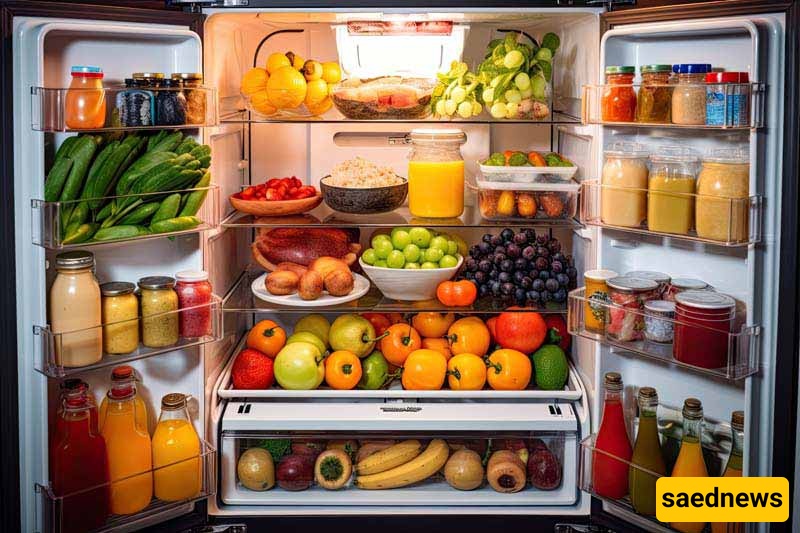
According to SAEDNEWS, storing food correctly is just as important as buying fresh ingredients. While it may seem convenient to place different fruits, vegetables, and pantry items together, certain combinations can accelerate ripening, encourage mold growth, or alter taste. Understanding these storage rules can make your groceries last longer and reduce unnecessary food waste.
Some fruits, such as apples, bananas, avocados, and peaches, naturally produce ethylene gas, which speeds up the ripening process. Vegetables like broccoli, lettuce, cucumbers, carrots, and leafy greens are highly sensitive to this gas. When stored together, these vegetables may turn yellow, wilt, or spoil much sooner than expected. Separating ethylene-producing fruits from sensitive produce helps maintain freshness for a longer period.
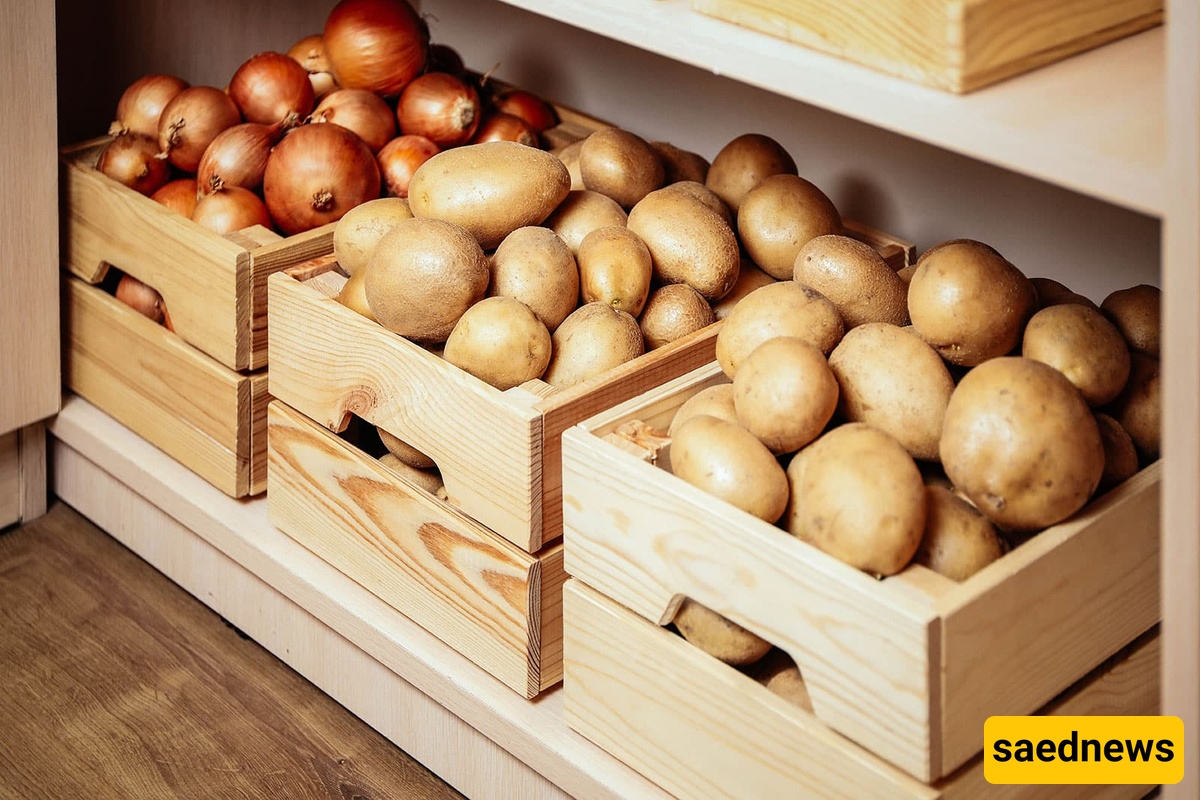
Potatoes and onions are often stored side by side, but this common practice can shorten the shelf life of both. Onions release moisture and gases that encourage potatoes to sprout and soften more quickly. Potatoes, in turn, create a humid environment that may cause onions to become moldy or rot. Keeping them in separate, cool, dark, and well-ventilated locations is the best solution.
Certain foods, including onions, garlic, and some cheeses, have strong aromas that can easily transfer to nearby ingredients. Butter, milk, eggs, and even some fruits readily absorb surrounding odors, affecting their natural taste. Using airtight containers and storing fragrant foods separately helps preserve the original flavor of all ingredients.
Fresh herbs, mushrooms, and washed vegetables contain significant moisture, while dry foods such as bread, crackers, flour, and cereals stay fresh best in low-humidity conditions. Keeping moist foods close to dry products can introduce excess humidity, leading to mold, sogginess, or staleness. Store each type of food in its appropriate environment to maximize freshness and minimize waste.