SAEDNEWS: Fondant paste is a flexible and sweet material used for covering cakes and creating professional three-dimensional decorations. It is made with ingredients such as sugar, glucose, and gelatin.
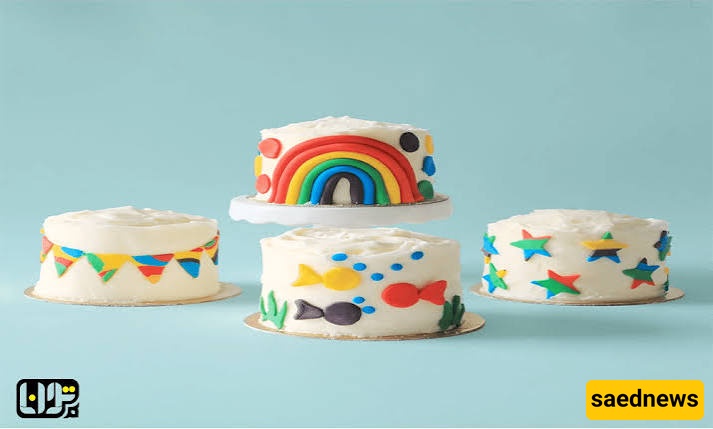
According to Saednews, In the world of baking and cake decorating, few ingredients have created as much transformation as fondant. If you are looking for cakes with a smooth, elegant, professional, and fully customized appearance, you have probably heard of fondant.
But what exactly is fondant, and why has it become so popular?
Simply put, fondant is a sweet, flexible icing made from ingredients such as sugar, glucose, water, and gelatin or glycerin. It can be rolled out like a thin sheet and placed over cakes to create a perfectly smooth surface, or it can be shaped into beautiful decorations, flowers, figures, and impressive three-dimensional designs.
This complete guide explores every important aspect of fondant. From its history and different types to homemade recipes, professional techniques, troubleshooting tips, and comparisons with buttercream and ganache, this article will help beginners and experienced bakers understand fondant and create beautifully decorated cakes.
The word fondant comes from the French word meaning “melting” or “to melt.” In baking, fondant is mainly divided into two categories:
Pouring fondant is a thick, smooth white icing that is commonly used as a coating for donuts, pastries, candies, and simple cakes. Once it dries, it forms a firm outer layer.
Rolled fondant is the flexible dough-like icing that is rolled with a rolling pin and placed over cakes. This is the most popular type of fondant in modern cake decorating.
In this article, the main focus is rolled fondant.
Rolled fondant is usually made by combining:
Powdered sugar (icing sugar)
Glucose syrup or corn syrup
Gelatin (or alternatives such as gum tragacanth or guar gum)
Food-grade glycerin for softness and flexibility
The result is a smooth, moldable sugar dough that behaves similarly to modeling clay but is completely edible and extremely sweet.
The origins of fondant date back to 16th-century Europe, although its modern form developed mainly in France during the 19th century.
Originally, fondant was used as a liquid glaze to decorate and coat sweets. Over time, pastry chefs discovered that by adding stabilizing ingredients and working the sugar mixture into a dough, they could create a flexible material suitable for shaping and decorating.
The major breakthrough came in the 1950s with the introduction of commercially produced rolled fondant, which made professional-looking cake decoration more accessible.
Today, fondant is an essential element in:
Wedding cakes
Birthday cakes
Celebration cakes
Professional cake decorating competitions
To fully understand fondant, it is important to know its different varieties.
The most common type, usually made with gelatin. It is soft, flexible, and ideal for covering cakes and creating simple decorations.
Available as a ready-made powder that becomes fondant after adding water or liquid. It is a convenient option for beginners.
Made by melting marshmallows and mixing them with powdered sugar.
Advantages:
Better flavor than traditional fondant
Softer texture
Easier for home bakers
It is a good choice for people who dislike the taste of classic fondant.
Created by adding cocoa powder or melted chocolate to the basic fondant recipe.
Benefits:
Richer flavor
Excellent for chocolate cakes
More luxurious taste
A stronger version of fondant made by adding ingredients such as gum tragacanth or CMC (carboxymethyl cellulose).
It dries faster and becomes firmer, making it perfect for:
Delicate flowers
Leaves
Small decorative figures
Detailed cake toppers
Fondant creates a perfectly even surface that is difficult to achieve with buttercream alone.
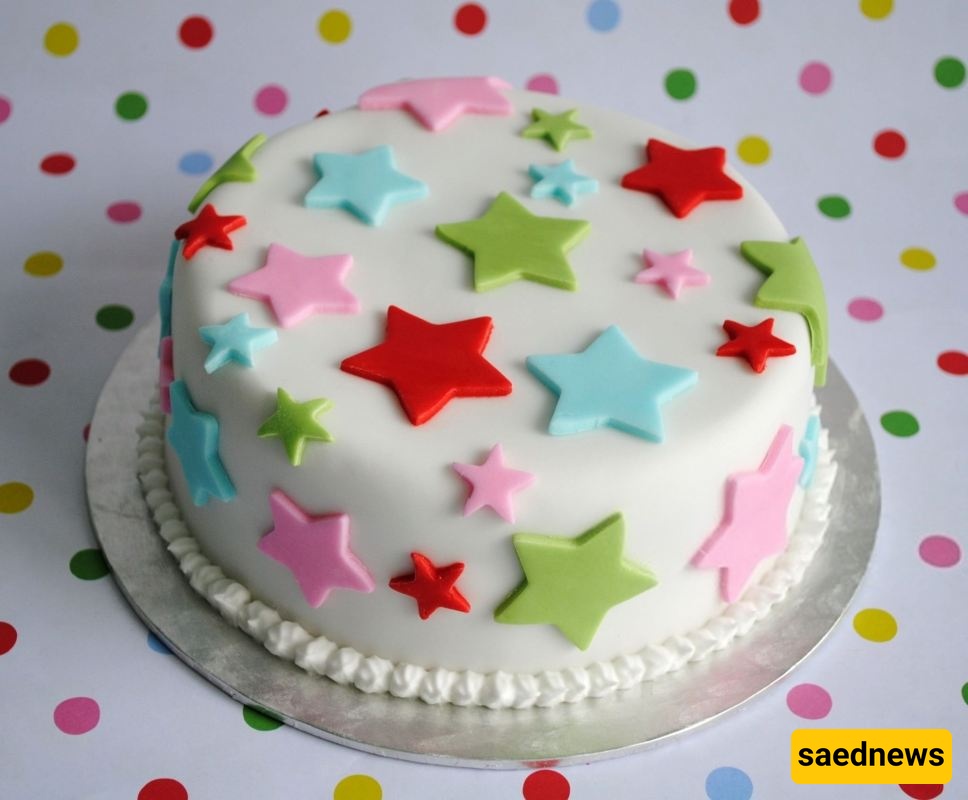
It can be shaped into almost any design, allowing bakers to create complex 3D decorations.
Fondant-covered cakes generally stay fresh for several days when stored properly.
Fondant can be colored with gel food coloring to create almost any shade.
It hides small bumps, uneven surfaces, and minor cake flaws.
Many people do not enjoy the intense sweetness and unique texture.
Fondant ingredients can be more expensive compared with simple frosting.
Working with fondant requires patience, skill, and experience.
Humidity can make fondant sticky, while dry conditions may cause cracks.
Cold temperatures can make fondant firm. Cakes should usually return to room temperature before serving.
For a homemade fondant with better flavor, marshmallow fondant is one of the most popular options.
200 grams white marshmallows
2–3 tablespoons water
500–600 grams sifted powdered sugar (more may be needed)
1 tablespoon vegetable shortening or soft butter
A few drops of vanilla or almond extract (optional)
Place marshmallows in a large microwave-safe bowl and add water.
Microwave for 30 seconds, then stir.
Repeat in 15-second intervals until the marshmallows are completely melted and smooth.
(You can also use a double boiler.)
Add gel food coloring and flavoring while the mixture is warm. Mix well.
Add half of the sifted powdered sugar and stir with a wooden spoon until a thick dough forms.
Grease your work surface with shortening.
Place the mixture on the surface and gradually add the remaining powdered sugar while kneading like bread dough.
Continue until the fondant becomes:
Soft
Smooth
Flexible
Non-sticky
This usually takes about 5–8 minutes.
Wrap the fondant tightly in plastic wrap and let it rest for at least one hour at room temperature.
Resting allows the ingredients to combine properly and improves flexibility.
Homemade fondant can usually be stored:
Up to 2 months in the refrigerator
Up to 6 months in the freezer
Using fondant correctly is the key to successful cake decorating.
The cake must be completely cooled.
Cover it with a thin layer of buttercream or chocolate ganache. This layer is called a crumb coat.
The crumb coat:
Prevents crumbs from showing
Creates a smooth base
Helps the fondant stick properly
Chill the cake for about 30 minutes until firm.
Knead the fondant until soft.
Dust your surface with powdered sugar or cornstarch to prevent sticking.
Roll the fondant into a thin circle about:
3–5 mm thick
The circle should be at least 15 cm larger than the cake diameter.
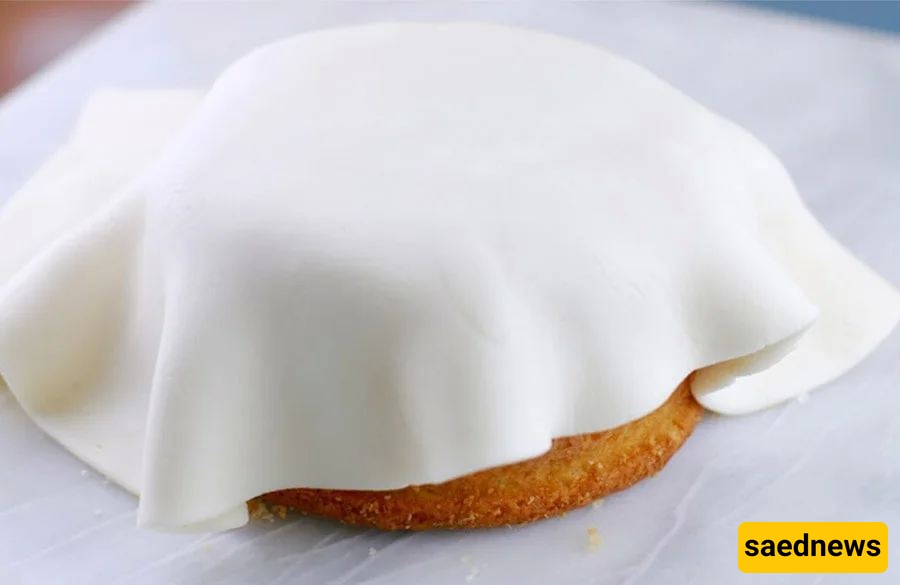
Carefully lift the fondant using a rolling pin and place it over the cake.
Allow it to fall naturally around the sides.

Use a fondant smoother.
Start with the top of the cake, then move down the sides.
This removes:
Air bubbles
Wrinkles
Uneven areas
Cut away extra fondant around the bottom edge using a sharp knife or pizza cutter.
Avoid rough sawing motions because they may tear the edges.
Your cake is now ready for:
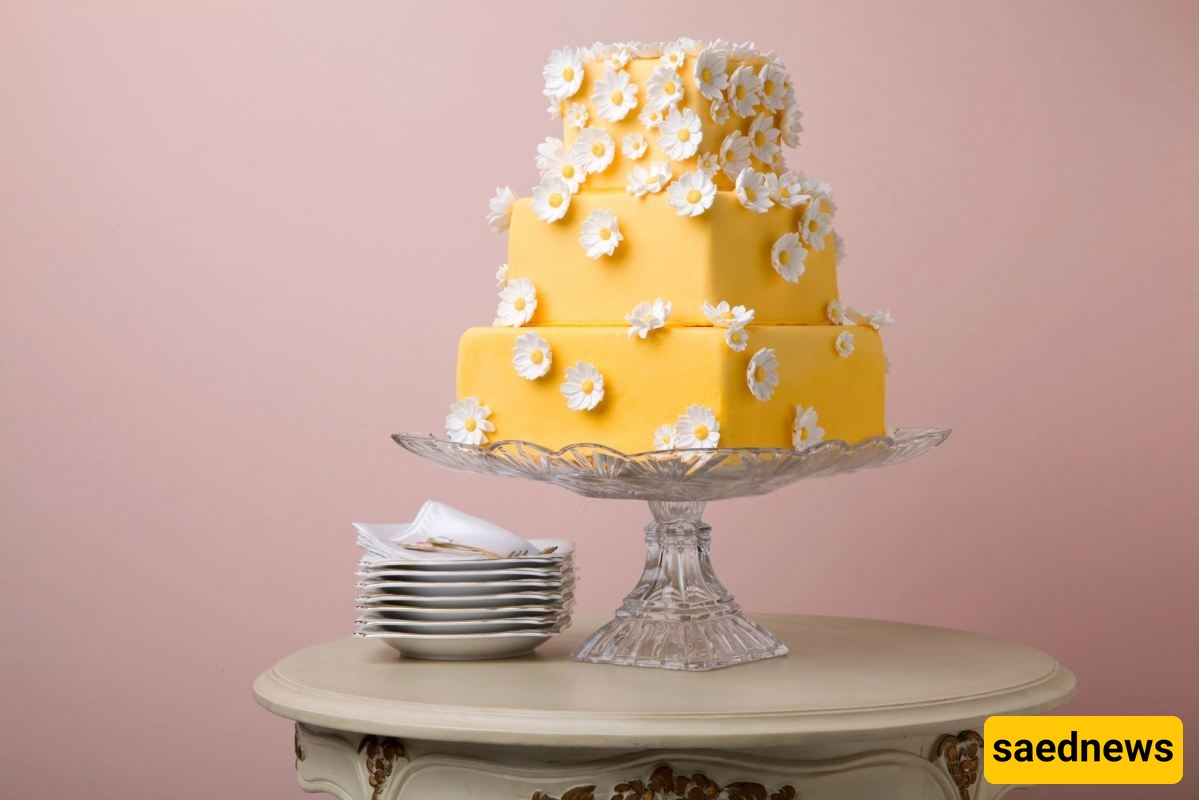
Fondant flowers
Edible pearls
Cake toppers
Custom designs
Causes:
Rolled too thin
Too dry
Solution:
Add a small amount of shortening or glycerin and knead again.
Causes:
High humidity
Excess moisture
Solution:
Add powdered sugar or cornstarch and knead.
Solution:
Pierce bubbles gently with a needle and smooth the area with your finger.
Cause:
The crumb coat is not firm enough.
Solution:
Chill the cake longer before applying fondant.
Solution:
Use high-quality gel colors and mix thoroughly.
Fondant vs Buttercream vs Ganache
Feature | Fondant | Whipped Cream Frosting | Chocolate Ganache |
|---|---|---|---|
Appearance | Smooth, polished, customizable | Soft and textured | Smooth and glossy |
Flavor | Very sweet, dough-like | Light and creamy | Rich chocolate flavor |
Shelf Life | Several days | Around 1–2 days | Around 3–4 days |
Flexibility | Excellent for 3D designs | Limited | Moderate |
Heat Resistance | High | Low | Medium |
Difficulty | Requires practice | Easier | Relatively easy |
Professional Tips for Working With Fondant
Moisture is fondant’s biggest enemy.
Cornstarch reduces sweetness compared with using large amounts of powdered sugar.
A rolling pin with thickness guides helps create consistent results.
Wrap fondant tightly in plastic wrap and store it in a cool, dry place.
Avoid unnecessary refrigeration because moisture can make it sticky.
Use:
Edible glue
A small amount of water
Food-safe gel
to attach fondant decorations.
For colors such as:
Red
Black
Dark blue
prepare the fondant a day earlier so the color has time to develop fully.
Fondant is one of the most powerful tools in modern cake decorating. Although it requires practice and patience, it allows bakers to create smooth, elegant, and highly customized cakes that are difficult to achieve with traditional frosting.
Whether you are making a wedding cake, a birthday masterpiece, or simply improving your decorating skills, learning how to handle fondant opens the door to endless creative possibilities.