SAEDNEWS: Alzheimer’s-Linked Immune Cells May Be Activated Outside the Brain, Study Finds

According to Saednews, Researchers at Washington University School of Medicine in St. Louis have discovered that blocking a specific immune pathway can significantly reduce neurodegeneration and help preserve cognitive function in mice affected by tau protein buildup.
T cells are present at higher levels in the brains of people with Alzheimer’s disease and related neurodegenerative disorders than in healthy individuals. Scientists have suspected that these immune cells may contribute to brain damage, but until now, it was unclear where the cells originated or what caused them to enter the brain.
The new study suggests that dendritic cells located outside the brain activate T cells, which subsequently accumulate in the brain.
When researchers removed these dendritic cells in mice, the unusually high levels of T cells—especially CD8 T cells—disappeared, and the animals experienced less brain damage.
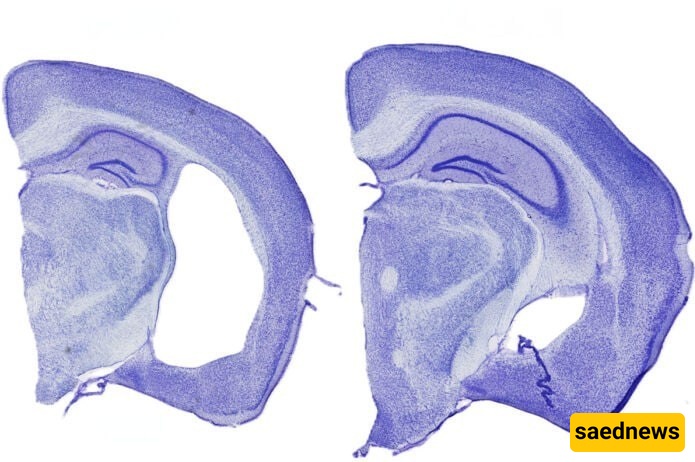
Interestingly, the treatment did not reduce the amount of tau tangles in the brain. However, the mice were still able to maintain their cognitive abilities.
According to senior study author David M. Holtzman, MD, this finding could have important implications for future treatments. Rather than developing medicines that must cross the blood-brain barrier, researchers may be able to target immune cells elsewhere in the body to slow or prevent neurodegeneration.
Several treatments that influence T-cell activity have already been extensively studied and approved for other diseases, although their potential use against neurodegenerative disorders remains largely unexplored.
Researchers still do not know exactly what causes dendritic cells to activate T cells in the first place. Holtzman suggested that damage caused by tau accumulation could release biological material that travels from the brain to lymph nodes in the neck. Dendritic cells may then recognize this material and activate an immune response.
The research team is now investigating whether blocking dendritic cell activity later in life could produce similar protective effects. They are also working to identify the signals that guide T cells toward the brain.
The findings challenge the traditional view that immune activity plays only a limited role in neurodegenerative diseases caused by abnormal protein accumulation.
Holtzman noted that the discovery of dendritic cells as a potential contributor to neurodegeneration is particularly promising. The researchers believe these cells could become a new target for future therapies aimed at protecting brain function in Alzheimer’s disease and related conditions.