SAEDNEWs: A shield volcano is a type of volcano characterized by its gentle slopes and predominantly non-explosive eruptions. Due to its distinctive structure and formation, it holds particular interest for geologists.
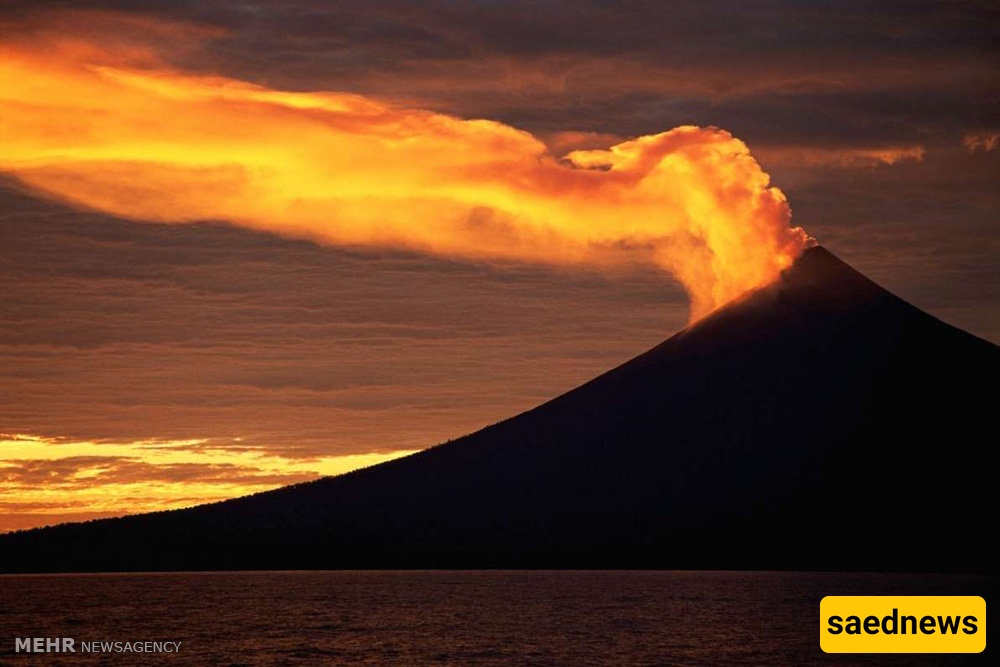
According to Saednews, Shield volcanoes are among the most fascinating natural features on Earth. They come in several forms, each with distinctive characteristics, and shield volcanoes are particularly interesting because of their unique structure and formation. Their broad, gently sloping profiles resemble a large shield, making them easily recognizable.
A shield volcano is a type of volcano with a wide base and relatively gentle slopes. Unlike steep, cone-shaped volcanoes, shield volcanoes generally develop through repeated eruptions of highly fluid lava. The lava spreads over large areas before cooling, gradually building up the volcano in thin, extensive layers.
One of the defining features of shield volcanoes is their low-angle slopes, which are typically less than 10 degrees. Their gradual shape results largely from the fluid nature of the lava produced during eruptions.
Shield volcanoes are commonly formed from basaltic lava, which contains relatively low amounts of silica compared with more viscous volcanic materials. Because basaltic lava flows easily, it can travel considerable distances from the volcanic vent.
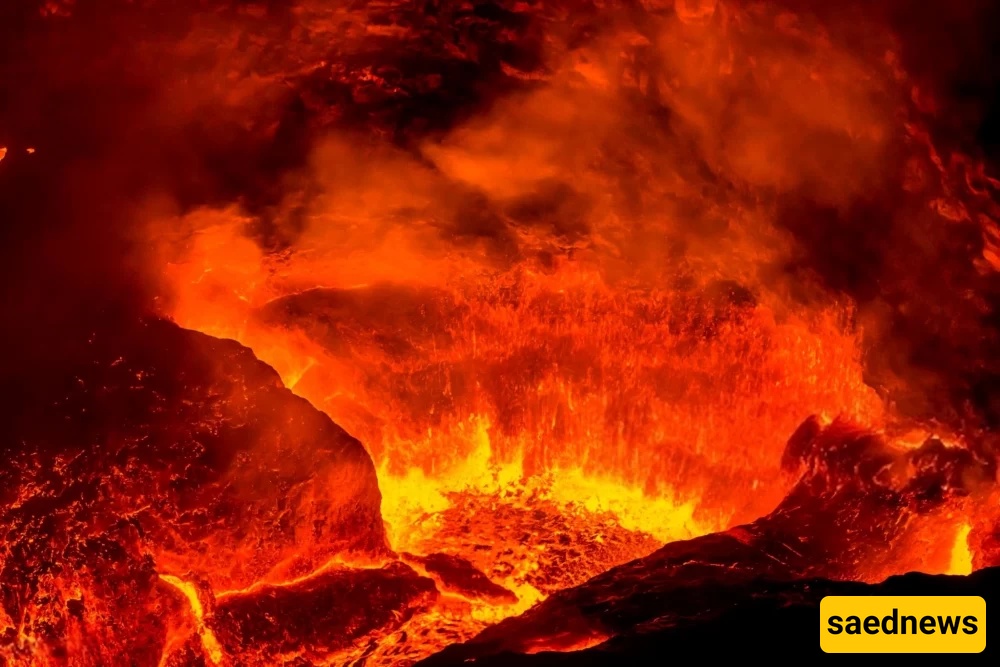
Shield volcanoes generally produce relatively quiet, effusive eruptions rather than highly explosive events. Instead of violent explosions, lava tends to emerge from the vent and flow across the surrounding landscape.
These volcanoes commonly develop in areas associated with significant tectonic or volcanic activity, including hotspots and certain plate boundaries. The Hawaiian Islands are a well-known example of a hotspot environment where shield volcanoes have formed.
The development of a shield volcano occurs through several geological processes.
The process begins when rocks beneath Earth's surface partially melt because of high temperatures and changing pressure conditions. The resulting magma rises through cracks and fractures in the Earth's crust.
When magma reaches the surface, it becomes lava. In shield volcanoes, the lava is generally basaltic and relatively fluid. Its low viscosity allows it to spread easily across the ground, forming broad, thin layers.
As eruptions occur repeatedly, successive lava flows cool and solidify on top of earlier layers. Over thousands or millions of years, these layers gradually build a broad volcanic structure with gently inclined sides.
Shield volcanoes occur in many parts of the world, both on land and beneath the oceans.
Mauna Loa, located on Hawaii's Big Island, is one of the largest shield volcanoes on Earth. It has experienced numerous eruptions, creating extensive layers of basaltic lava. Its summit reaches approximately 4,170 meters above sea level.
Kīlauea is another prominent Hawaiian shield volcano and has been one of the world's most active volcanoes. Its eruptions have frequently produced fluid lava flows that spread across the surrounding landscape.
Numerous shield-like volcanic structures occur beneath the Pacific Ocean. Many eventually become seamounts as repeated underwater eruptions build volcanic mountains on the ocean floor. Some form parts of extensive underwater volcanic chains.
Although shield volcanoes are generally associated with less explosive eruptions, their activity can still have significant effects on the environment.
Volcanic activity can dramatically reshape an area by creating new land, altering river channels, covering existing terrain with lava, and changing groundwater systems. New volcanic surfaces can also eventually develop into habitats for plants and animals.
Volcanic eruptions release gases and particles into the atmosphere. Compounds such as carbon dioxide and sulfur dioxide can affect atmospheric conditions, air quality, and, particularly during substantial eruptions, regional or global climate patterns.
Fresh lava can destroy vegetation and existing habitats, while volcanic gases and materials can affect nearby soil and water. Certain volcanic deposits may contain potentially harmful substances, creating environmental challenges for humans and other living organisms.
Shield volcanoes are remarkable geological structures formed primarily through repeated eruptions of fluid basaltic lava. Their broad shape, gentle slopes, and predominantly effusive eruptions distinguish them from many other volcanic types. Famous examples such as Mauna Loa and Kīlauea demonstrate how these volcanoes can gradually construct enormous landscapes while also influencing ecosystems, geological processes, and atmospheric conditions.