SAEDNEWS: A study by Russian scientists has shown that bacteria returning from space to Earth are more resistant to antibiotics, which could pose a risk to the planet.
According to university research services reported by Saed News and quoted from Kala Suda:
When space can potentially “send viruses” to Earth, it might be expected that diseases on Earth could also increase. But does space really transmit viruses to Earth?
In general, a virion—the form of a virus outside a host organism—contains genetic material enclosed in a protein coat and represents an important part of biological existence. However, for decades scientists have disagreed about whether viruses should be considered living organisms. They argue that, because viruses cannot reproduce independently and depend on a host, they should not be classified as living.
At the same time, authors of recent studies argue that having a method of reproduction is sufficient. They suggest that, based on how these infectious agents replicate, viruses are very close to NASA’s definition of life. According to NASA, any chemical system capable of sustaining life and undergoing Darwinian evolution can be considered alive.
Results from Russian scientists indicate that bacteria returning from space can become more resistant to antibiotics and may pose a potential risk to life on Earth.
Russian researchers have warned that bacteria sent into space and then returned could become a threat to human life on Earth. Therefore, protective measures should be taken against them.
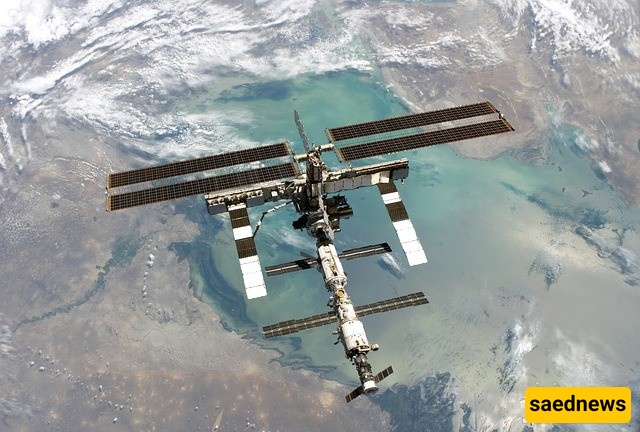
A Russian experiment called Biorisk showed that various microorganisms from Earth were able to survive harsh space conditions aboard the International Space Station. This experiment was conducted in January 2005 in the Russian segment of the station. During the study, 68 different organisms were examined, including bacteria, insects, vertebrates, and various plants.
After returning to Earth, mutated bacteria showed increased resistance and aggressiveness toward antibiotics. Eggs of crustaceans and eggs of the African toothcarp (a small endemic fish species) survived for 2.5 years on the external surface of the International Space Station, and their embryos were revived after returning to Earth.
Viruses do not have independent metabolism and produce very few byproducts, making them difficult to detect in extraterrestrial environments. Some of these pathogens have a lipid layer on their outer surface, which, due to its durability and ability to survive for hundreds of millions of years, has been considered a key indicator of viral presence. However, it is still not certain that such lipids are unique to viruses, and therefore finding such compounds outside Earth’s atmosphere does not necessarily indicate the presence of viruses.