SAEDNEWS: Traditional Iranian medicine scholars placed great emphasis on the treatment of nazleh (post-nasal discharge and throat secretions). Today, this condition is commonly known as allergies and sinusitis, which are considered the root cause of many illnesses.

According to the Saed News website, Samieh Zakeri spoke about nazleh (post-nasal drip), explaining that scholars of traditional Iranian medicine placed great importance on treating this condition. Today, this issue is commonly known as allergies and sinusitis.
She added that, according to Hakim Arzani—one of the prominent figures in traditional Iranian medicine—complications of post-nasal drip and throat mucus may include eye and ear diseases, stomach pain, excessive hunger, diarrhea, peptic ulcers, lung infections, intestinal inflammation, colic, or inflammatory bowel conditions.
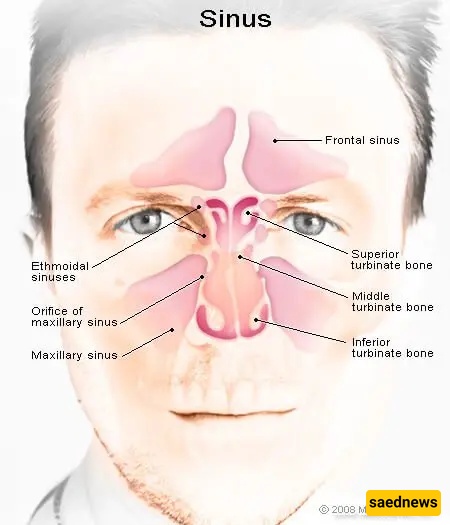
This specialist in Iranian traditional medicine stated that mucus descending from the throat can cause disease in any organ it reaches. Depending on its amount and thickness, it may lead to migraines, dizziness, epilepsy, melancholia, joint disorders, and more. Therefore, it should be a primary focus for traditional medicine practitioners.
Zakeri emphasized that people should avoid self-medicating with antihistamines to suppress runny nose and allergy symptoms, and instead focus on addressing the root causes by strengthening digestion and brain function.
She noted that one of the causes of post-nasal drip is weakness in stomach digestion and mental faculties. Some eye diseases that gradually lead to vision loss, such as retinal degeneration and retinitis pigmentosa (RP), have been observed to have a history of long-term post-nasal drip in patient records, which unfortunately has not been properly treated.
She further explained that individuals suffering from post-nasal drip should avoid consuming citrus fruits at night, as they may worsen morning mucus symptoms. While many believe citrus fruits help during colds due to vitamin C content, their cold and moist nature can, in some cases, intensify symptoms and prolong the duration of illness.