SAEDNEWS: Currently, by following certain guidelines, it may be possible to influence the baby’s sex by around five to ten percent toward your preference. Keep in mind that both partners must follow these measures, and they can increase the likelihood of having a boy.

According to a report from Saed News and quoted by Pandar Online:
If you are among parents who are planning to have a child and strongly hope for a baby boy, this article addresses common questions such as how to conceive a boy faster, how to have a male child, what to do to increase chances of having a son, what to eat to influence the baby’s gender, and similar concerns.
In recent years, with the rise of single-child and two-child families, more parents have been actively seeking ways to influence the gender of their future child. Research, however, shows that the probability of having either a boy or a girl in each pregnancy is roughly equal and remains constant across pregnancies.
Some claims suggest that the acidity or alkalinity of the uterus may influence the baby’s gender. According to these views, a more alkaline environment is said to increase the likelihood of having a boy, while a more acidic environment is associated with a higher chance of having a girl.
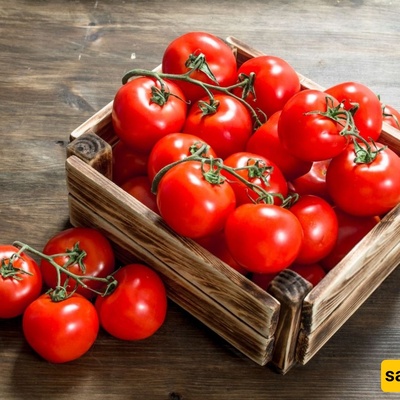
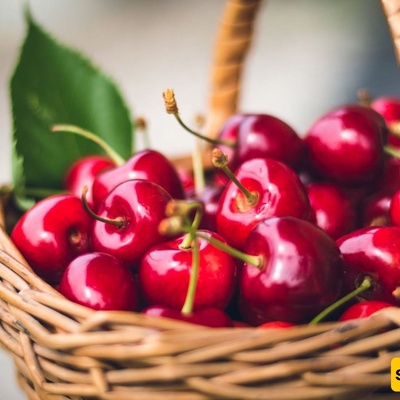
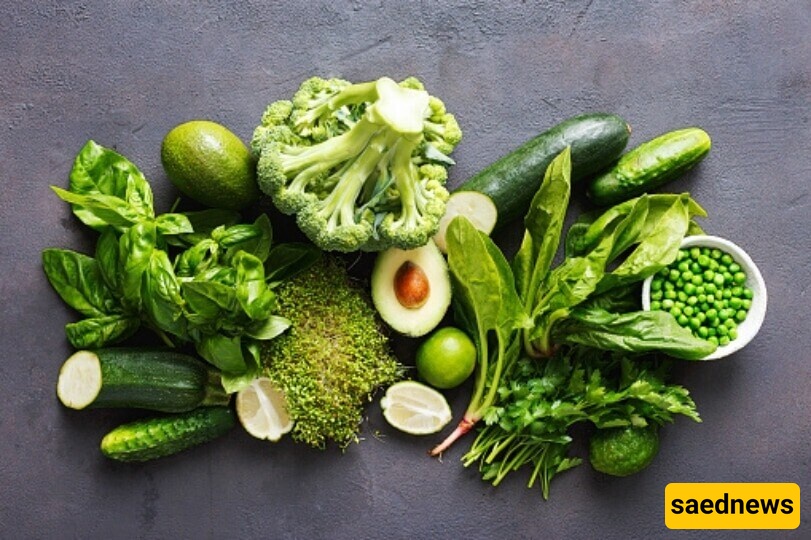
Diet is often mentioned as a way to influence this balance. Suggested foods for those who want a boy include milk, fruits, vegetables, apricots, almonds, chickpeas, beans, garlic, dates, beet leaves, and foods containing baking soda, as well as figs. For those preferring a girl, foods such as corn, bread, cheese, rice, tomatoes, plums, walnuts, turnips, and eggs are recommended in these traditional claims.
Some also suggest vaginal rinsing methods using baking soda for increasing the chance of a boy, and vinegar for increasing the chance of a girl. These claims are based on the idea that Y chromosome sperm (associated with boys) are more sensitive to acidic environments than X chromosome sperm (associated with girls).
Another commonly mentioned factor is timing. It is claimed that intercourse closer to ovulation increases the likelihood of having a boy, while intercourse further from ovulation increases the chance of having a girl. Ovulation is often estimated around the 14th day after menstruation.
Traditional approaches suggest that women who want a boy should consume saltier foods and include items such as wild celery, bananas, acorns, spinach, and dates in their diet, while avoiding milk and eggs.
Some herbal mixtures are also described in traditional texts, involving various plants and roots prepared as decoctions to be consumed over several days each month until pregnancy occurs.
It is claimed that rinsing with a baking soda solution shortly before intercourse may increase the chance of having a boy. Some traditions also suggest consuming strawberries, grapes, and fresh vegetables before intercourse. During early pregnancy, certain foods are recommended or discouraged based on these beliefs.
A viewpoint attributed to Avicenna suggests that warmth in the father and specific timing and positioning during intercourse may influence the likelihood of having a boy. Other traditional opinions link the number of days after menstruation to the child’s gender.
Despite all these suggestions, the article emphasizes that none of these methods are scientifically guaranteed. Even if all recommendations are followed, the outcome may still be a girl. Biological factors remain the primary determinant of gender.
Overall, the article concludes that instead of focusing on controlling a child’s gender, parents are better advised to prioritize the health, upbringing, and well-being of their future child.