SAEDNEWS: Tourism – Byblos – Byblos: One of the World’s Oldest Archaeological Sites – Ancient Ruins – The God of El Dorado – Medieval Remains – History of Byblos – Alexander the Great – Church – The God of El Dorado – Phoenician Cities – Original Antiquity – Importance of Trade
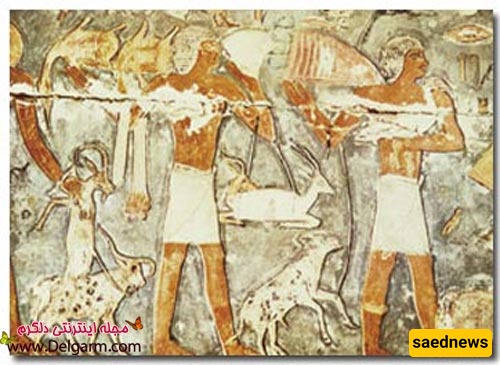
According to Saednews, The remains of some of the most remarkable civilizations have been discovered in Byblos, one of the oldest cities in Phoenicia. Continuously inhabited since the Neolithic period, the city has a history spanning thousands of years and is closely intertwined with the history of the Mediterranean region.
Byblos is considered one of the strongest contenders for the title of the world’s oldest continuously inhabited city. According to Phoenician historical accounts, it was built at the command of the “God of El Dorado” and became known as the City of the Golden Age.
Although the precise origins of the city and the beginning of its settlement have been lost in the pages of history, researchers believe that Byblos dates back at least 7,000 years. Its extraordinary age makes its continuous habitation particularly remarkable.
For thousands of years, the city was known as Gubla. After 1200 AD, the Greeks adopted the name Byblos because of the city’s importance in the papyrus trade, which made it a significant commercial center.
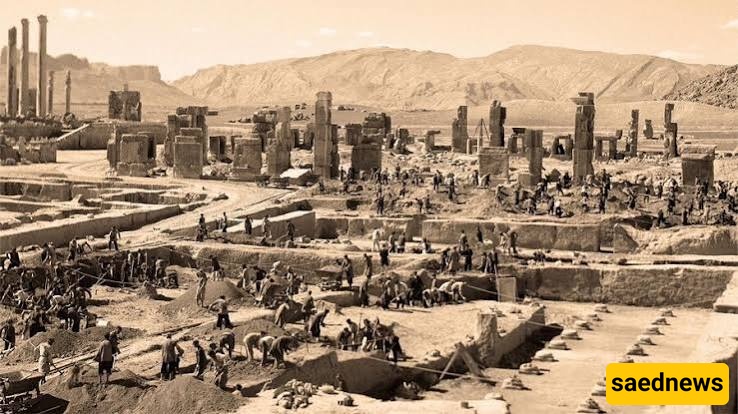
Today, Byblos is a vibrant urban center on the Mediterranean coast north of Beirut. Its medieval remains and Crusader-era structures still bear witness to its past, while extensive archaeological excavations have established it as one of the world’s most important archaeological sites.
Around 7,000 years ago, a small community of Neolithic fishermen settled along the coast near present-day Beirut. Evidence of their settlement remains visible in the form of single-room huts with stone floors, as well as numerous tools and weapons dating from that period.
Between 3000 and 4000 BC, during the Chalcolithic, or Copper Age, life in Byblos continued much as before. However, new burial customs eventually emerged. The dead were placed in clay jars along with their belongings and possessions before being buried.
During the early Bronze Age, in the third millennium BC, Byblos developed into one of the most important centers for wooden shipbuilding in the eastern Mediterranean.
The Egyptian pharaohs and their extensive kingdom depended heavily on cedar and other types of timber for constructing ships, building tombs, and conducting religious ceremonies. As a result, Egypt established close and extensive ties with Byblos.
In return, Egypt sent papyrus, gold, ropes, linen, and marble to the city. This commercial relationship continued for centuries until Amorite tribes descended from the desert, invaded the coastal region, and set Byblos on fire.
After settling in the area, the Amorites rebuilt the city. Egypt subsequently restored its former relationship with Byblos by sending valuable gifts. The treasures and royal wealth discovered in the city’s tombs testify to its considerable prosperity.
Around 1200 BC, groups known as the Sea Peoples moved from the north into the eastern Mediterranean and settled in the region. The inhabitants who emerged as a prominent maritime and trading civilization became known as the Phoenicians.
During this period, the Phoenician alphabet spread throughout Byblos. This writing system became an important ancestor of the Greek alphabet and influenced the development of writing and communication across different societies.
During the first millennium BC, Byblos benefited greatly from trade with the Assyrians and Babylonians before establishing connections with Persia.
The city subsequently became part of the wider network of regional powers and played a role in the political and defensive landscape of the eastern Mediterranean.
Following Alexander the Great’s conquest of the region, Greek became widely used in Byblos. During the Hellenistic period, from approximately 330 to 64 BC, the culture and traditions of the city’s inhabitants became increasingly influenced by Greek civilization.
The Romans ruled Byblos from 64 BC to AD 395, constructing numerous temples, public baths, and government buildings. During this period, the city also became an episcopal center of Christianity.
In AD 637, following the Arab conquest, Byblos entered a new historical era. However, its importance gradually declined over the following centuries.
The architectural evidence that survives from some of these periods is incomplete and fragmented. Nevertheless, modern Byblos has developed into a thriving city that combines contemporary life with a rich and ancient historical heritage.
Its old harbor, protected by stone structures against the sea, stands alongside the remains uncovered through archaeological excavations.
The Crusader Castle, historic churches, traditional marketplace, and medieval walls preserve the atmosphere of the city’s past. Alongside these landmarks, a wide variety of restaurants, hotels, and colorful souvenir shops make Byblos a welcoming destination for visitors interested in history, culture, and Mediterranean heritage.