SAEDNEWS: Carved into Mount Mehr, the tomb of Artaxerxes II features Achaemenid architecture. Its cruciform façade shows the king on his throne before a fire altar. The tomb has three burial chambers, with a sliding stone entrance.
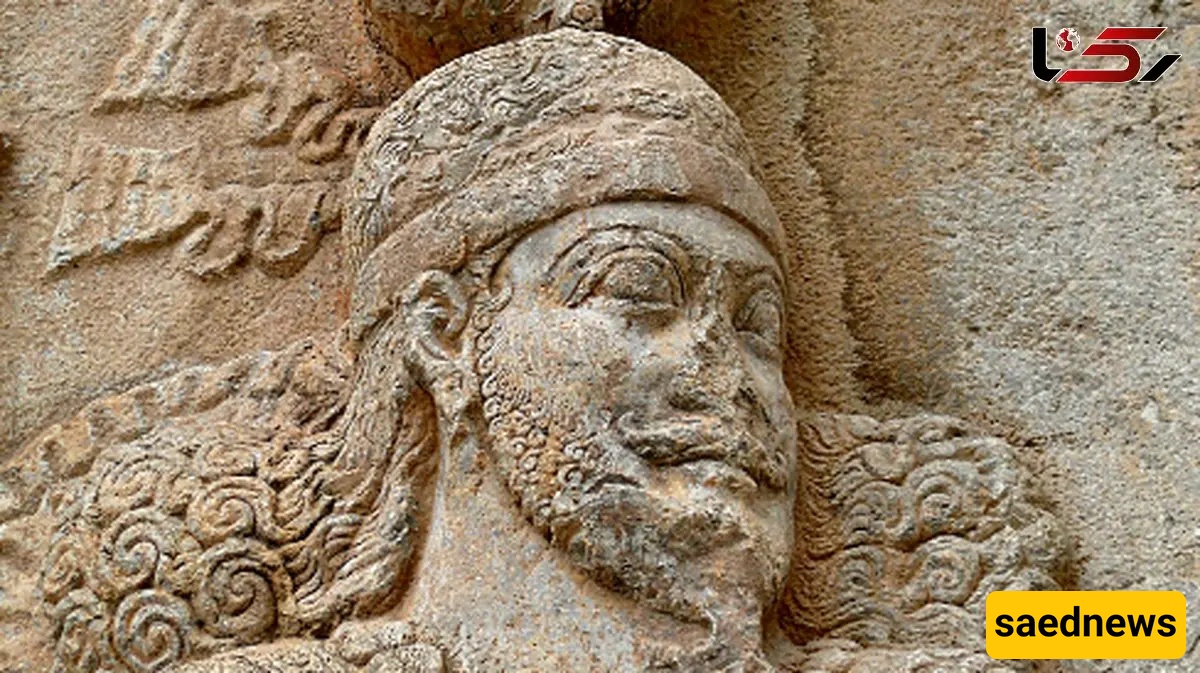
According to the History and Culture Service of Saed News, the tomb of Artaxerxes II is located in the heart of Mount Mehr, within the Persepolis complex, and stands as one of the unique examples of Achaemenid rock-cut architecture. The tomb’s exterior is designed in the shape of a cross, showcasing architectural features characteristic of the Achaemenid era, similar to the tombs at Naqsh-e Rustam.
Above the entrance, a bas-relief depicts the Achaemenid king, Artaxerxes II, standing on his throne before a sacred fire altar. Thirty representatives from subject nations carry the king’s throne, while above the king’s head, a winged figure known as the Faravahar symbolizes power and sanctity.
The tomb’s entrance is designed like a cross-section of an Achaemenid palace, complete with half-columns and double-headed bull capitals. The stone sliding door of the tomb could not be reopened once closed, protecting the tomb from looting. Over time, however, these doors have been damaged and broken.
Inside the tomb, three stone sarcophagi are carved directly into the rock. While no definitive marker confirms the tomb’s ownership, architectural evidence and its proximity to the tomb of Artaxerxes III strongly suggest that it belonged to Artaxerxes II.