SAEDNEWS: Iran’s Parliament has approved new penalties for vessels that violate transit regulations in the Strait of Hormuz, as part of legislative measures aimed at strengthening Iran’s sovereign control over the strategically vital waterway.
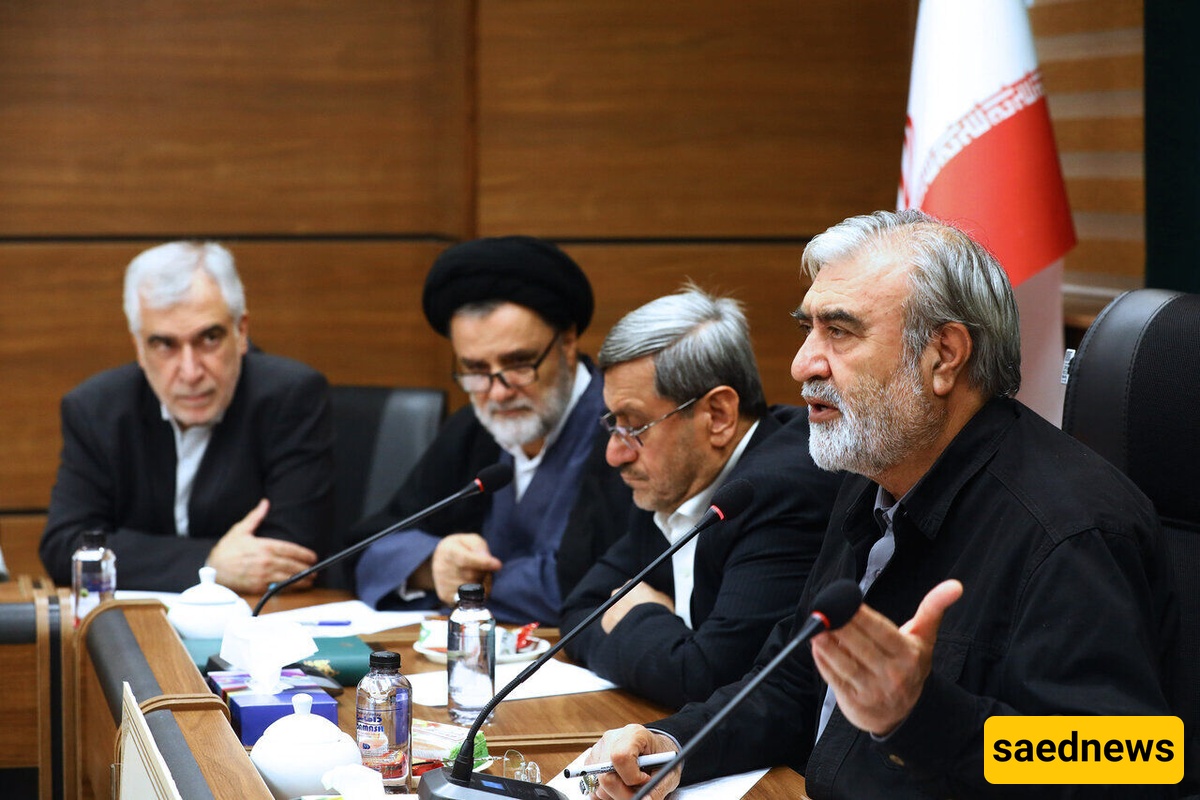
According to Saednews, Hassan Ghashghavi, spokesperson for the commission, said Tuesday that the commission had reviewed and approved Articles 13, 14, and 15 of the proposed “Strategic Action to Ensure Security and Development of the Strait of Hormuz” bill.
According to Ghashghavi, the legislation would establish rules governing transit and enforcement in the strategic waterway, alongside legal and economic penalties for violations.
Under Article 13, vessels that fail to comply with Iranian transit regulations would face immediate penalties. In addition to sanctions provided under Article 5 of Iran’s Islamic Penal Code, authorities would be authorized to confiscate 20 percent of a violating vessel’s cargo or recover an equivalent financial amount.
The vessel could also be temporarily detained by Iranian maritime forces until all applicable penalties and fines have been paid.
Ghashghavi said the Judiciary would be required to establish specialized court branches to handle cases arising from the regulations. These courts would include judges and legal experts specializing in maritime and international law.
Article 14 would establish domestic accountability for individuals or legal entities whose actions or negligence result in the failure, delay, or incomplete implementation of the legislation. Such cases would be subject to Grade 5 penalties under Article 19 of the Islamic Penal Code.
A supplementary provision to Article 14 states that Iran would retain what the bill describes as full legal sovereignty over the Strait of Hormuz. It also requires any future bilateral or multilateral agreements concerning the waterway to comply with Articles 77, 125, 176, and 57 of Iran’s Constitution.
According to the lawmaker, the provision would require Tehran’s constitutional approval for any future international arrangements governing navigation in the Strait.
Article 15 would assign the General Staff of the Armed Forces responsibility for overseeing implementation of the legislation. The military command would also be required to submit comprehensive reports on implementation to the National Security Commission every three months, either directly or through the Ministry of Defense.
The bill must still complete the commission’s review before being submitted to the full Parliament for a final vote. It would then require approval by Iran’s Constitutional Council to become law.
The bill’s progress comes amid heightened tensions surrounding Iran’s role in the Persian Gulf and the Strait of Hormuz following the conflict involving Iran, the United States, and Israel in February 2026.