SAEDNEWS: An Israeli financial analyst says developments and reports surrounding Iran are increasingly being reflected in oil prices and, through them, in broader economic conditions. The reported effects are also being felt in local markets, including the Israeli shekel and U.S. stocks.
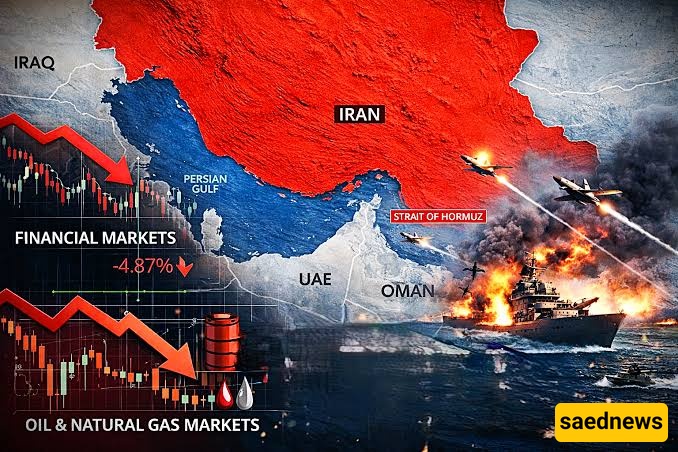
According to SaedNews: A new report in Hebrew-language media is drawing attention to a market connection that extends far beyond Iran itself: developments surrounding Tehran are being closely watched for their potential impact on oil prices, currencies and financial markets.
The report, published by the Hebrew-language news outlet ICE, cites Yoni Fanning, a senior strategic analyst at Israel’s Mizrahi Bank, as saying that news emerging from Iran is having a direct influence on global oil prices and, by extension, the wider world economy.
The argument is significant because oil markets rarely operate in isolation. Changes in expectations surrounding a major oil-producing country can quickly become a broader economic story, affecting the way investors assess energy prices, currencies and financial conditions.
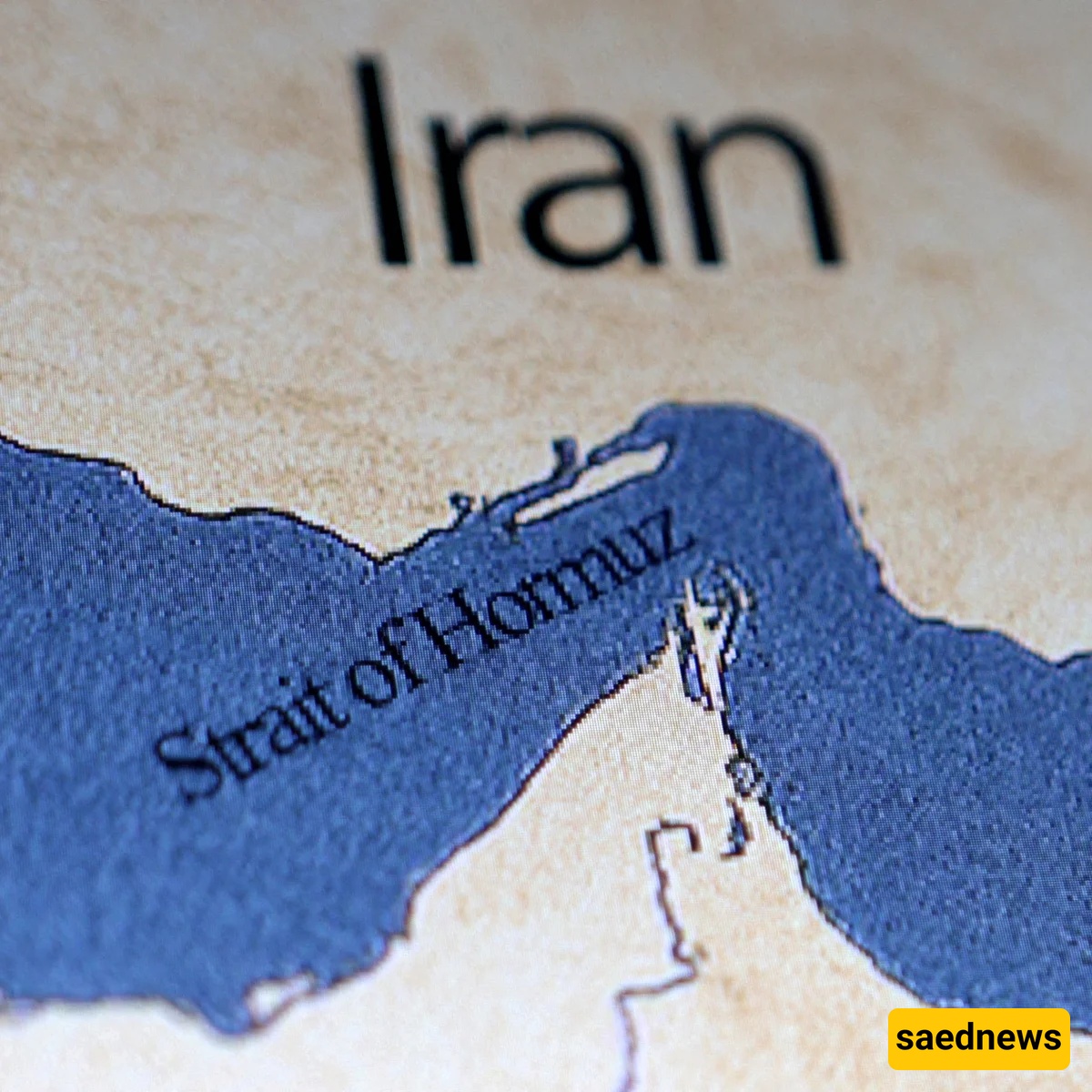
According to Fanning, the market is reacting not only to concrete developments but also to reports and expectations surrounding the possibility of an agreement with Iran—or the absence of one.
That distinction is important. Financial markets often respond before an event is fully resolved, as investors attempt to anticipate what could happen next. In the case described by the Israeli report, uncertainty surrounding Iran has therefore become part of the market calculation itself.
Fanning argued that the effects are no longer confined to international oil prices. In his assessment, the consequences have reached deeper into domestic and local economies.
One of the clearest examples cited in the report is the Israeli shekel.
The currency, according to the analyst's assessment, has also been affected by the chain of developments surrounding Iran. That suggests the market reaction is not simply a matter of energy traders watching crude prices. Instead, expectations connected to Iran are being incorporated into broader financial decisions.
The report also points to the U.S. stock market, where the impact has reportedly become visible as well.
That creates a much larger picture. A story that begins with political or diplomatic developments involving Iran can move through energy markets and eventually reach currencies and equities thousands of miles away.
For ordinary investors, the connection can be difficult to see at first. A report about negotiations or the possibility of an agreement may appear to be primarily a geopolitical development. But markets can interpret such news through another lens: What could it mean for oil supplies, energy prices, inflation, currencies and corporate expectations?
That is precisely the relationship highlighted by Fanning.
The Israeli analyst's assessment, as reported by ICE, suggests that expectations surrounding Iran have become an important factor in market sentiment. News about whether an agreement is being reached—or whether negotiations are failing to produce one—can alter assumptions about future conditions.
Oil remains central to that chain.
Changes in the price of crude can have consequences well beyond the energy sector. Higher or lower energy costs can affect businesses, consumers and broader economic expectations. For financial markets, the direction of oil prices can therefore become an important signal when investors are assessing economic risks.
The report places Iran at the center of that discussion, arguing that developments linked to the country are increasingly capable of generating effects outside its immediate region.
The reference to the shekel makes the story particularly striking. It illustrates how geopolitical uncertainty can become visible in a national currency, turning developments that may seem distant to ordinary people into something that can eventually be reflected in financial indicators.
The U.S. stock market represents another level of the same process.
According to the report, negative effects have become observable there as well. The claim reinforces the idea that the economic consequences associated with Iran are not necessarily limited to countries directly involved in the region's political and security developments.
Instead, the market mechanism can transmit expectations across borders.
There is also an important element of uncertainty in the assessment. The report does not suggest that every movement in oil, the shekel or U.S. equities can be attributed solely to Iran. Rather, it highlights the way news and expectations connected to Iran are being incorporated into broader market calculations.
That distinction matters because financial markets are influenced by many variables at the same time. Investors can react to geopolitical developments, economic data, monetary policy and corporate expectations simultaneously.
Still, the point made by the Israeli analyst is that Iran-related news has become significant enough to be reflected across several major market indicators.
The result is a striking chain: developments involving Iran can influence expectations about oil, oil can affect wider economic calculations, and those calculations can ultimately show up in currencies and stock markets.
For policymakers and investors, that makes every new signal surrounding Iran potentially important—not necessarily because it immediately changes the global economy, but because markets are constantly trying to price in what could come next.
The Israeli report therefore presents Iran not simply as a geopolitical story, but as an economic variable with consequences that can travel well beyond the region.
And as markets continue to watch every report concerning possible agreements or disagreements with Tehran, the key question may be how much of that uncertainty has already been priced in—and how strongly markets could react to the next major development.