SAEDNEWS: Iran says the Strait of Hormuz will remain closed until Washington changes its conduct, outlining six conditions that include ending the maritime blockade, withdrawing U.S. forces from around Iran, paying war damages and lifting sanctions.
According to SaedNews: The future of the Strait of Hormuz has become the focus of a sharp diplomatic confrontation, with Iran saying the strategic waterway will not reopen until the United States changes its behavior.
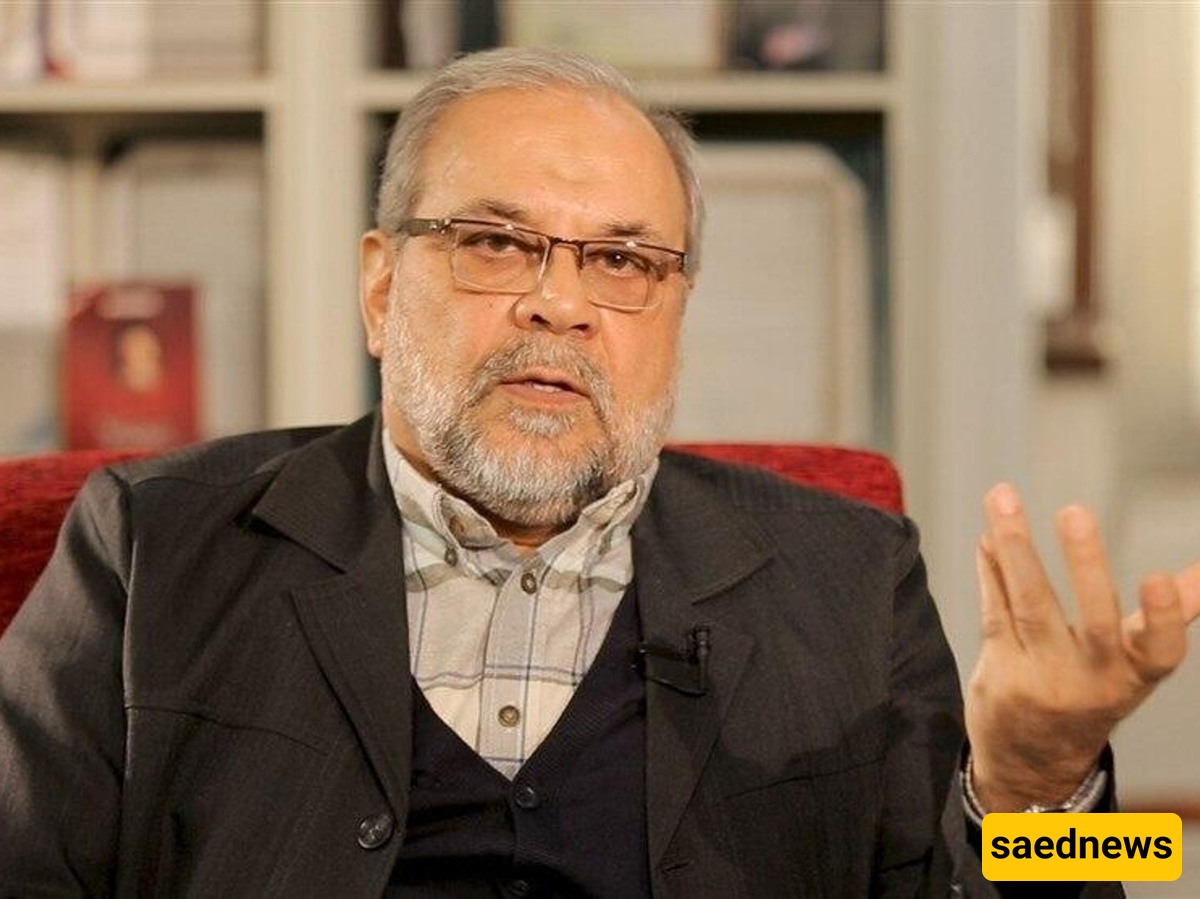
Mohammad Baqer Zolghadr, secretary of Iran’s Supreme National Security Council, said Iran would not back away from its stated demands, whether through war or negotiations. His message places the reopening of the waterway directly alongside a broader list of political, military and economic conditions.
Zolghadr outlined six requirements for the Strait of Hormuz to be reopened. Among them are an end to threats and insults against Iran, an end to the war and attacks against Iran and its allies, the lifting of the maritime blockade, the withdrawal of U.S. military forces from the area surrounding Iran, full compensation for war-related damages, and the removal of sanctions together with the release of Iran’s blocked assets.
The statement makes clear that, from Tehran’s perspective, reopening the waterway is not being treated as an isolated navigation issue. Instead, it has been tied to what Iran describes as changes in U.S. conduct and the broader circumstances surrounding the conflict.
That position could add another layer of complexity to efforts to restore normal maritime traffic through one of the region’s most strategically important waterways.
Yet alongside the firm language from Tehran, there is another development that points toward diplomacy.
Oman’s Foreign Ministry said discussions over navigation arrangements in the Strait of Hormuz are continuing in a “positive and constructive” atmosphere. Muscat urged all parties to preserve the conditions needed for dialogue and avoid any action that could interfere with the ongoing negotiations.
The Omani statement also stressed that the talks are being pursued while taking the interests of all sides into consideration.
The contrast between the two messages is striking. Iran has publicly laid out conditions that it says must be addressed before Hormuz can reopen, while Oman is emphasizing continued negotiations and the importance of protecting the diplomatic process.
For now, neither development amounts to a final resolution.
The Iranian position, as presented by Zolghadr, is uncompromising: Tehran says it will maintain its stated demands and does not intend to retreat from them during either military confrontation or negotiations. The conditions cover several areas at once, ranging from military activity and maritime restrictions to sanctions and financial assets.
The maritime issue is particularly important within that list. Iran has specifically included the lifting of what it describes as a maritime blockade among the conditions for reopening the waterway. The demand is therefore connected not only to political relations with Washington but also to the practical circumstances surrounding navigation.
Oman’s role, meanwhile, highlights the importance of keeping communication channels open. Its Foreign Ministry did not announce that an agreement had been reached. Instead, it said the talks were continuing and described their atmosphere as positive and constructive.
That distinction matters. Negotiations can continue while major differences remain unresolved, and the statements from Tehran and Muscat suggest that the question of Hormuz is still being negotiated rather than settled.
The situation therefore leaves two messages on the table. Iran is signaling that reopening the Strait of Hormuz depends on significant changes and the fulfillment of six stated conditions. Oman, meanwhile, is calling for restraint and continued dialogue so that the negotiations are not disrupted.
The coming phase of these discussions will determine whether the two tracks can move closer together. For Iran, the demands have been clearly stated. For Oman, preserving the negotiating environment appears to be the immediate priority.
Until those positions converge, the Strait of Hormuz remains not only a crucial maritime issue but also a major test of diplomacy. The question now is whether negotiations can produce arrangements acceptable to all sides—or whether the differences over Iran’s conditions will continue to keep the waterway at the center of regional tensions.