Saed News: Trump's sudden retreat and his order to lift the naval blockade of the Strait of Hormuz surprised observers; but what is the secret behind his hesitation in the White House Situation Room? Behind the scenes lies a $300 billion draft proposal and the looming shadow of Tel Aviv, which has cast uncertainty over a final agreement with Iran.
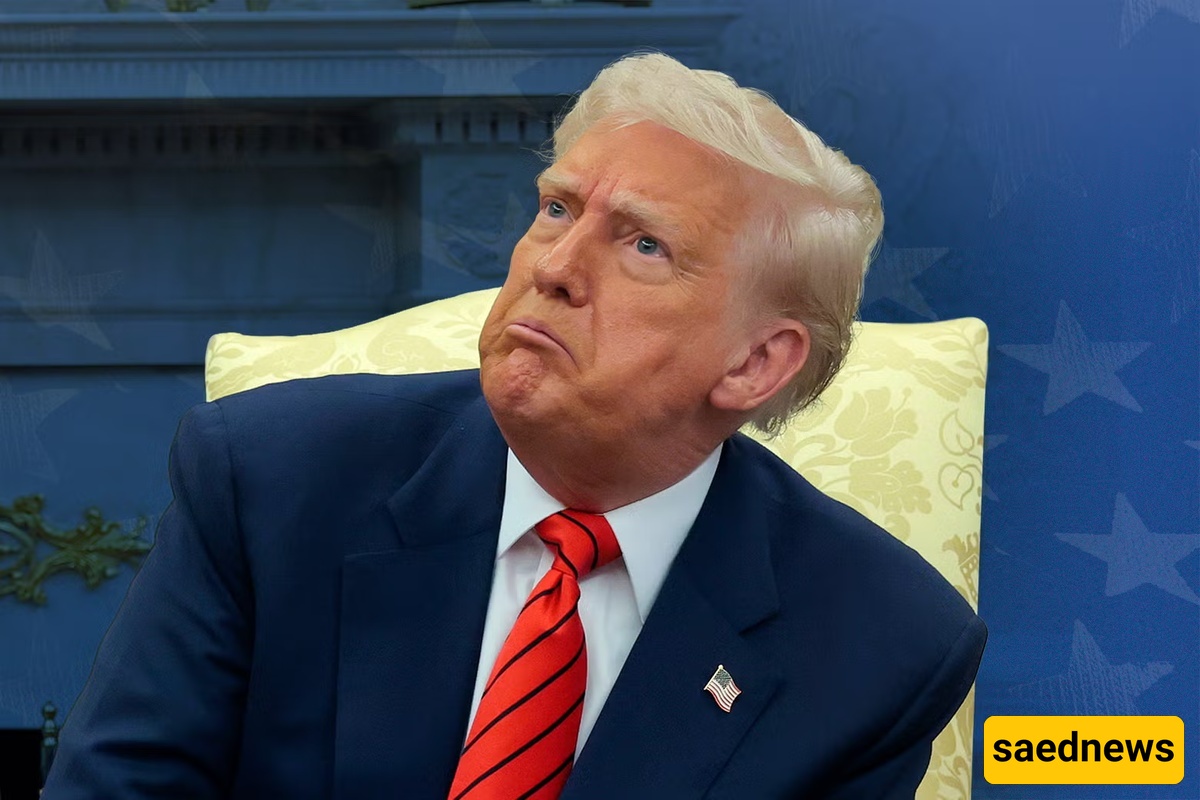
According to SAEDNEWS, U.S. President Donald Trump announced in a surprise post that the naval blockade of the Strait of Hormuz had been lifted and ships were returning to normal passage. He also stated that he had gone to the White House Situation Room to make a final decision regarding an agreement with Iran.
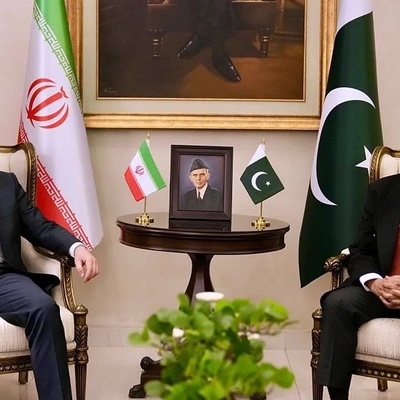
Although Iran had not officially announced its position by the time this report was prepared, and the text of the agreement based on the formula of “commitment for commitment” was still under review in Tehran, Trump's tone suggested a tacit retreat by Washington from its original war objectives and an acceptance of some Iranian conditions, including a softened stance toward enriched uranium.
Trump's move, which coincided with a decline in oil prices to around $90 per barrel, has been interpreted by observers as a sign of the failure of the U.S. military strategy.
Despite indications of a U.S. retreat, it appears that two of Iran's main demands—namely the establishment of a new security regime in the Strait of Hormuz and the immediate release of $12 billion in frozen assets—have not yet been accepted by Washington.
Meanwhile, reports point to extensive economic packages being discussed during the negotiations. Among them, The New York Times has referred to a proposal for creating a $300 billion international investment fund for Iran. The idea was reportedly first introduced by Trump's advisers and is effectively a redefinition of the war compensation sought by Tehran.
However, Trump has been delaying the finalization of the agreement due to pressure from hardliners within his own party and concerns about appearing to grant concessions to Iran.
One of the most complicated obstacles to signing the agreement is the disruptive role of Benjamin Netanyahu and the Israeli government. Tel Aviv is deeply concerned about an agreement focused on a temporary ceasefire and the reopening of the Strait of Hormuz, which could leave the confrontation with Iran unfinished.
For this reason, Netanyahu is reportedly attempting to disrupt the negotiation process by escalating attacks in Lebanon.
Analysts believe that in this case Trump is acting more under the influence of Israeli considerations than U.S. national and economic interests, such as lowering gasoline prices. His delay in making a decision is viewed as an effort to give Israel additional time to pursue its military objectives in the region.