SAEDNEWS: Reports from behind the scenes of controversial calls involving Donald Trump and regional leaders point to a major development: a potential large-scale arrangement between Washington and Tehran aimed at reopening the Strait of Hormuz.
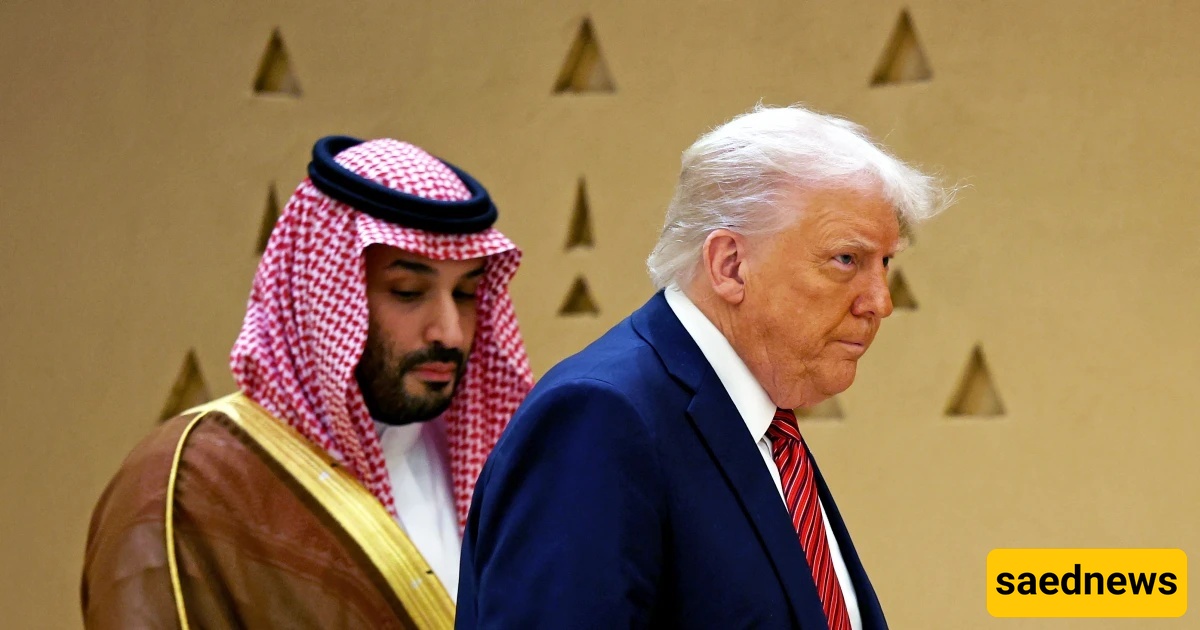
According to a report by the Saed News political desk, Donald Trump held phone calls with leaders of several Arab and Islamic countries, including Saudi Arabia, the UAE, Qatar, Egypt, Pakistan, and Turkey. The main focus of his discussions was ending the war with Iran. During these calls, he explicitly stated that he expects countries that have not yet established formal relations with Israel to join the “Abraham Accords” after the war ends. This sudden request reportedly surprised regional leaders and left them briefly silent. However, Senator Lindsey Graham supported the proposal, warning that opposition could negatively affect these countries’ future relations with Washington. Meanwhile, Saudi Arabia continues to insist that the establishment of an independent Palestinian state is a prerequisite for normalization.
At the same time as reports emerged about progress in behind-the-scenes negotiations between Tehran and Washington, Benjamin Netanyahu and Israel’s security cabinet have reportedly become highly concerned. Netanyahu has admitted that Israel currently lacks sufficient leverage to influence Trump’s decisions. On the other hand, Trump is facing a wave of domestic criticism from Democrats and some members of his own party. In response, he sharply called his critics ignorant and emphasized that he would not repeat Obama’s Iran nuclear deal path, stating that any agreement with Iran would either be “excellent and meaningful” or there would be no deal at all.
According to the New York Times, contrary to Trump’s claims of reaching a historic agreement, the White House—due to a severe energy crisis—has been forced to postpone its core demands and is currently settling for a preliminary and temporary deal focused on reopening the Strait of Hormuz and extending a ceasefire. Meanwhile, Pakistani sources told Anadolu Agency that there is a possibility of signing this interim agreement within the week. On the diplomatic front, Pakistan’s Prime Minister Shehbaz Sharif and Chinese President Xi Jinping, during a meeting in Beijing, emphasized opposition to unilateralism and the need to continue mediation efforts to end the conflict between Iran and the United States.