SAEDNEWS: A reported 60-day understanding between Iran and the United States, mediated by Pakistan and Qatar, is centered on ending the conflict, maintaining Iranian management of the Strait of Hormuz, and releasing blocked financial assets. However, the arrangement still faces major uncertainties and a significant risk of collapse.
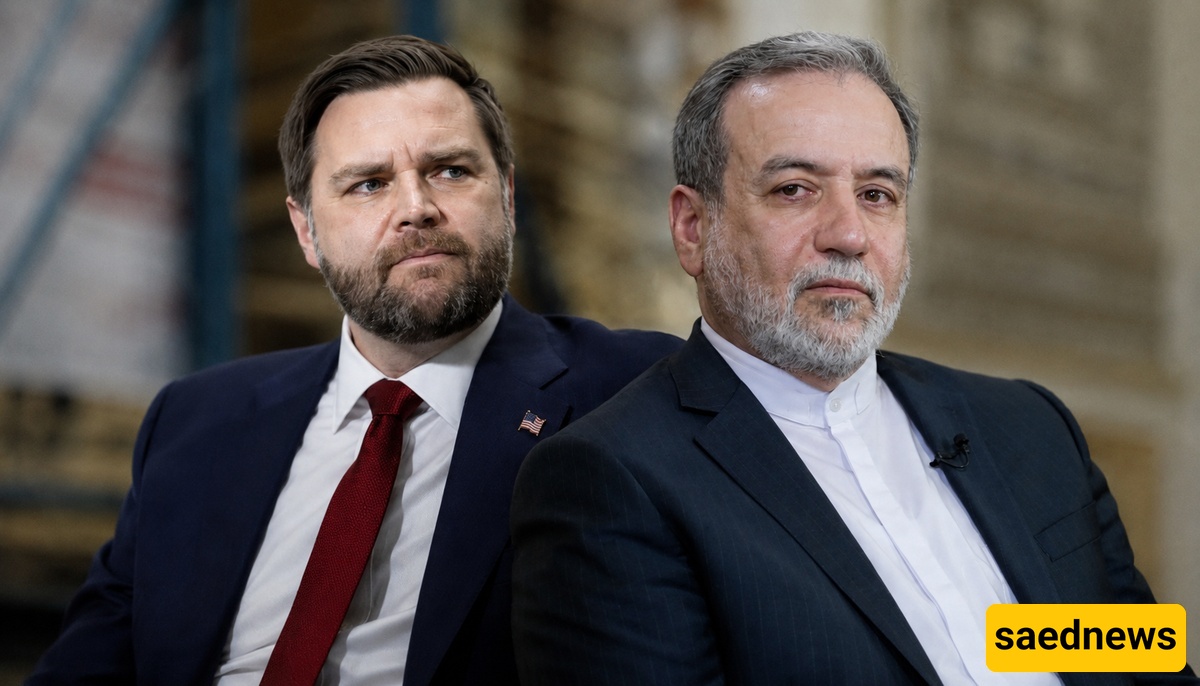
According to the political desk of Saed News, citing Quds newspaper, Pakistani officials followed by a Qatari delegation in Tehran have held intensive consultations in recent days. According to the report, these efforts resulted at the last moment in a broad understanding aimed at reducing tensions between Iran and the United States.
However, what currently exists is not a final agreement, but rather a temporary memorandum of understanding focused mainly on halting escalation and managing the crisis. It still remains far from a stable or lasting deal.
The biggest uncertainties revolve around Iran’s nuclear program, the fate of Iran’s frozen assets, the status of oil sanctions, and the management of maritime traffic through the Strait of Hormuz. While some Western media outlets have spoken of concessions benefiting Washington, Iranian sources emphasize that Tehran has made no commitment to surrender its nuclear stockpiles or shut down its facilities, and continues to regard control over the Strait of Hormuz as a matter of national sovereignty.
As a result, the current potential arrangement is being viewed less as the end of a dispute and more as a 60-day pause designed to test the intentions and political will of both sides.
What is unfolding today in Iran-U.S. diplomacy appears above all to be a “trial agreement,” not a final reconciliation. The United States — particularly during the Trump era — has sought to portray any diplomatic opening as a domestic and regional political victory. Iran, meanwhile, is attempting to ease economic and security pressures without crossing its strategic red lines.
This dynamic means that any understanding lacking enforcement guarantees, a clear timeline, and mutually verifiable commitments could quickly evolve into a new arena of confrontation. From this perspective, the central issue is not merely signing a document, but whether both sides are capable of adhering to it. And it is precisely at this point that the fate of the diplomatic process will ultimately be decided.