SAEDNEWS: Foreign Ministry Spokesperson: Maritime Security Measures in the Region Are Based on International Law; Iran–Oman Contacts on the Strait of Hormuz Continue
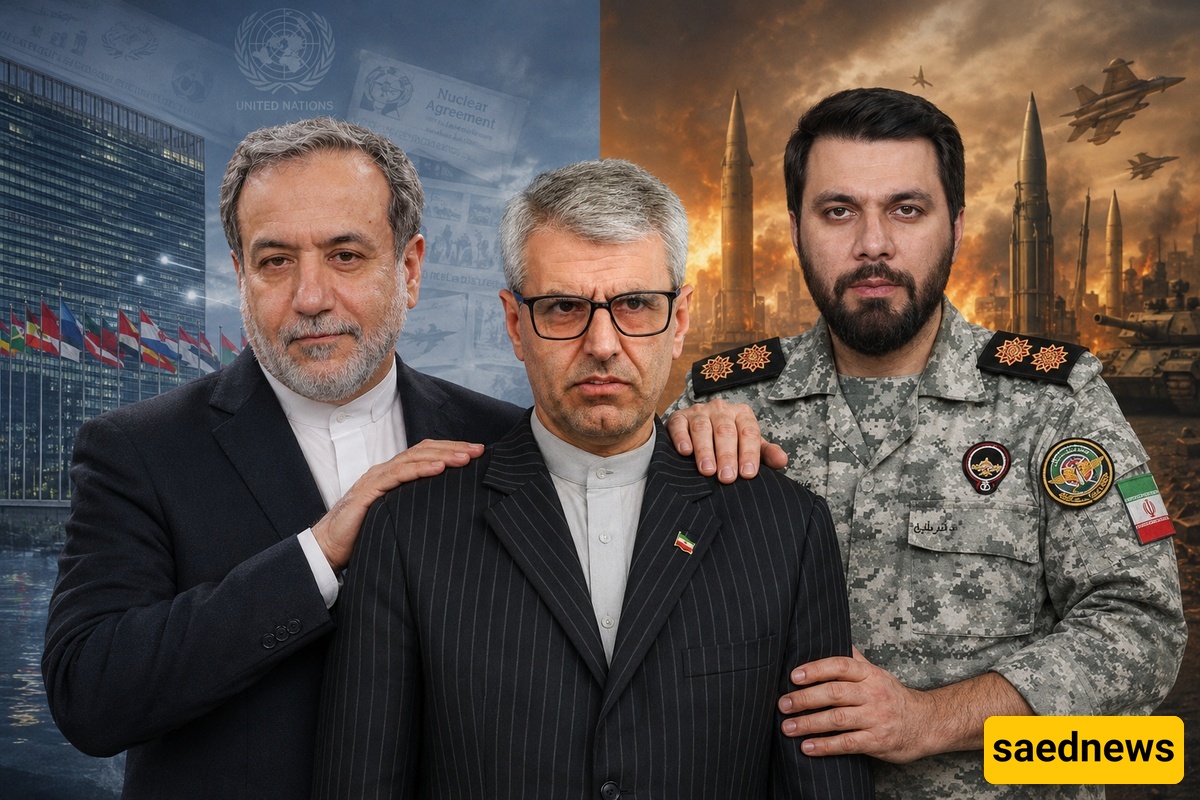
According to the political desk of Saed News Agency, Ismail Baghaei, spokesperson for the Ministry of Foreign Affairs of the Islamic Republic of Iran, answered journalists’ questions during his weekly press conference.
Baghaei opened by honoring the memory of those killed in the line of duty, saying:
“We salute the souls of these martyrs and pay tribute to all those who served this land and sacrificed their lives in the path of service.”
Referring to the Strait of Hormuz and Iran–Oman consultations, he said:
“The Strait of Hormuz is a highly important waterway for the entire world. We have always made significant efforts to ensure safe passage through this route and remain committed to maintaining full maritime safety.”
He added that the strait lies within the waters of Iran and Oman, and both countries consider themselves responsible for ensuring safe transit for all nations.
He stated that after the incident on March 9, which he attributed to an attack by the United States and Israel, Iran took measures for national security in line with international law. Talks with Oman are ongoing to establish a mechanism ensuring safe passage, including expert-level meetings held in Muscat.
Responding to reports about alleged plans by the UAE to attack Iran and visits by Israeli officials to the UAE, he said:
“We should not forget who the main source of threats is. We have no hostility toward any regional country and consider all neighbors as friends.”
He emphasized that regional countries should learn from recent developments and warned against foreign interference aimed at creating division.
He argued that US presence in the region does not bring security and instead increases instability, calling for an “indigenous regional security mechanism.”
On negotiations and reported US proposals, he said many reports were speculative.
“The negotiation process is ongoing. After submitting our proposal, we received comments from the US side via a Pakistani intermediary, and we also sent our views two nights ago.”
He reiterated that Iran’s right to enrichment is recognized under the NPT and is non-negotiable.
He said this is the third attempt to draft a resolution against Iran, arguing previous resolutions distorted realities.
He added that Iran is in contact with China and Russia, stating they understand that the US is responsible for maritime insecurity.
Baghaei said Iran has begun legal documentation of US actions from the earliest stages. A complaint has been filed at the Iran–US arbitration tribunal regarding sanctions and interference in Iran’s internal affairs.
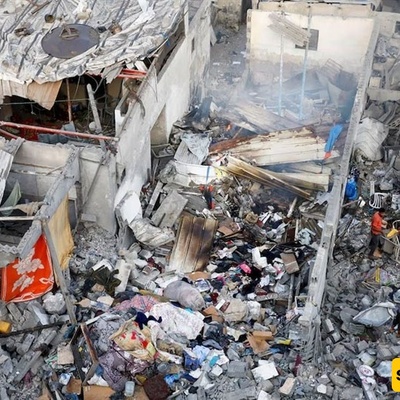
He also mentioned registering cases concerning attacks on civilian sites and healthcare facilities in international organizations.
On claims that Iran may charge for passage through the Strait of Hormuz, he said the issue is not financial but about safe navigation arrangements.
He added that coastal states may charge for services provided under international law.
He said US diplomacy is not trusted due to its past behavior, but Iran continues diplomatic engagement while maintaining skepticism.
He added:
“Iran participates in diplomatic processes with awareness of past experiences, but also with confidence and reliance on God.”
He highlighted deep and longstanding Iran–Iraq relations and congratulated Iraq’s new prime minister.
Regarding Kuwait, he criticized actions against Iranian nationals and said such issues should be handled diplomatically in line with good neighborly relations.
He said recent conflicts were imposed by the US and aimed at serving Israeli interests, calling for US accountability.
He again accused the United States of causing maritime insecurity, describing its actions as “piracy-like behavior.”
He warned that regional divisions benefit external actors and stressed the importance of restoring trust among neighboring countries.
He said Iran is assessing war damages and pursuing compensation claims, including harm to cultural heritage and infrastructure.
He described China as a strategic partner and emphasized continued cooperation at bilateral and international levels, especially within frameworks like BRICS.
He said denying visas to members of Iran’s national football team is unacceptable and violates host responsibilities under FIFA regulations.
He concluded that Iran is fully prepared for all scenarios, stating that diplomacy continues alongside strong defensive readiness.
He said Iran’s current priority is ending conflict while maintaining its rights, especially regarding nuclear issues, without compromising fundamental positions.