SAEDNEWS: Reuters: Trump’s sudden retreat from Iran threats shows he is trapped in his own exaggerations and undermines U.S. credibility, experts say
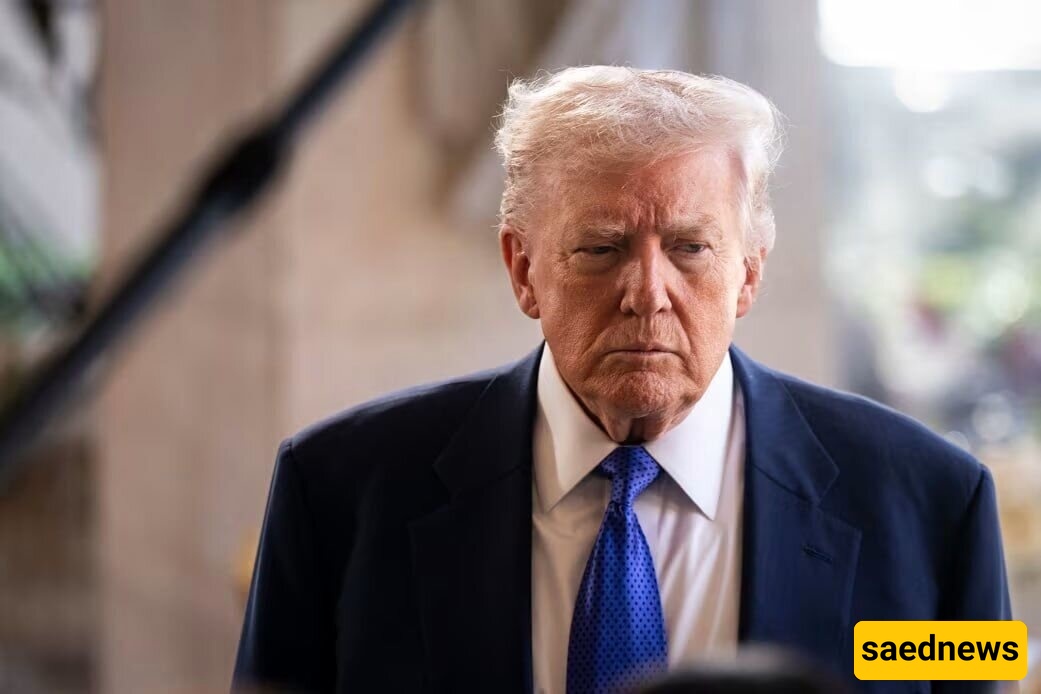
According to Saed News Agency’s Political Service, IRNA, citing Reuters, reported that Donald Trump’s decision to agree to a two-week ceasefire mediated by Pakistan, following 40 days of intense tensions that disrupted global energy markets, has been described as the most significant step toward de-escalation. However, critics have characterized this move as a recurring pattern of “threatening, backing down, and blaming others.”
The report adds that analysts believe Iran, despite military pressure, has emerged from this phase with more determined leadership and continued control over critical energy waterways.
According to the report, political circles in Washington have expressed growing concerns over the weakening of the United States’ international credibility following Trump’s withdrawal. Some Republican lawmakers have warned that Trump’s habit of backing down after issuing strong threats has eliminated the element of surprise in his foreign policy approach among rivals such as China and Russia.
The report further states that while some analysts argue that the high costs of military confrontation forced Trump to change his position, others attribute this sudden shift to internal factors, particularly the economy. Rising gasoline prices in the United States and a decline in the president’s approval ratings have placed significant pressure on the administration.
According to the report, financial market reactions and the immediate rise in stock indices following the ceasefire announcement indicate that Trump continues to view the capital markets as a measure of his success and is reluctant to endure the economic damage of a prolonged conflict.
In conclusion, the report emphasizes that while some of Trump’s advisers believe that military confrontations require an “unpredictable” approach, others warn that this strategy may erode trust among Washington’s allies and the public more than it deters adversaries, ultimately reducing its effectiveness over time.