SAEDNEWS: Islamic Jurisprudential Review of Making, Buying, and Selling Tapestries Depicting Women in Semi-Nude Images According to Ayatollah Khamenei and Other Shia Religious Authorities
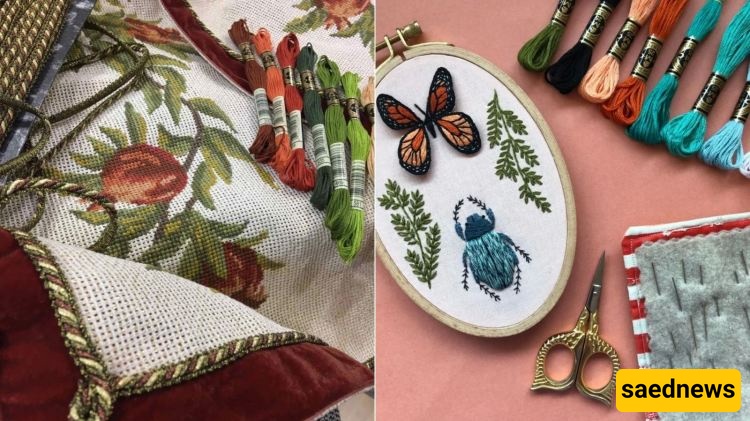
According to Saednews, In Iran, tapestry embroidery, known locally by various names, is created by stitching colored threads onto a mesh fabric. Early designs mainly featured flowers, birds, landscapes, and geometric patterns. Over time, with the spread of printed patterns, human figures also became part of this art form.
Today, a significant portion of the tapestry market consists of designs featuring women’s faces, bodies, and clothing. Understanding the Islamic ruling on these products is important for artists, sellers, and buyers.
In response to an inquiry submitted to the office of Ayatollah Khamenei, the religious ruling on this matter was clearly stated. The question concerned certain tapestries embroidered by women that depict partially unclothed women, and asked whether stitching, buying, and selling such pieces was permissible under Islamic law.
Response: “Given that these images promote corruption, producing, buying, selling, and keeping them is problematic [religiously impermissible].”
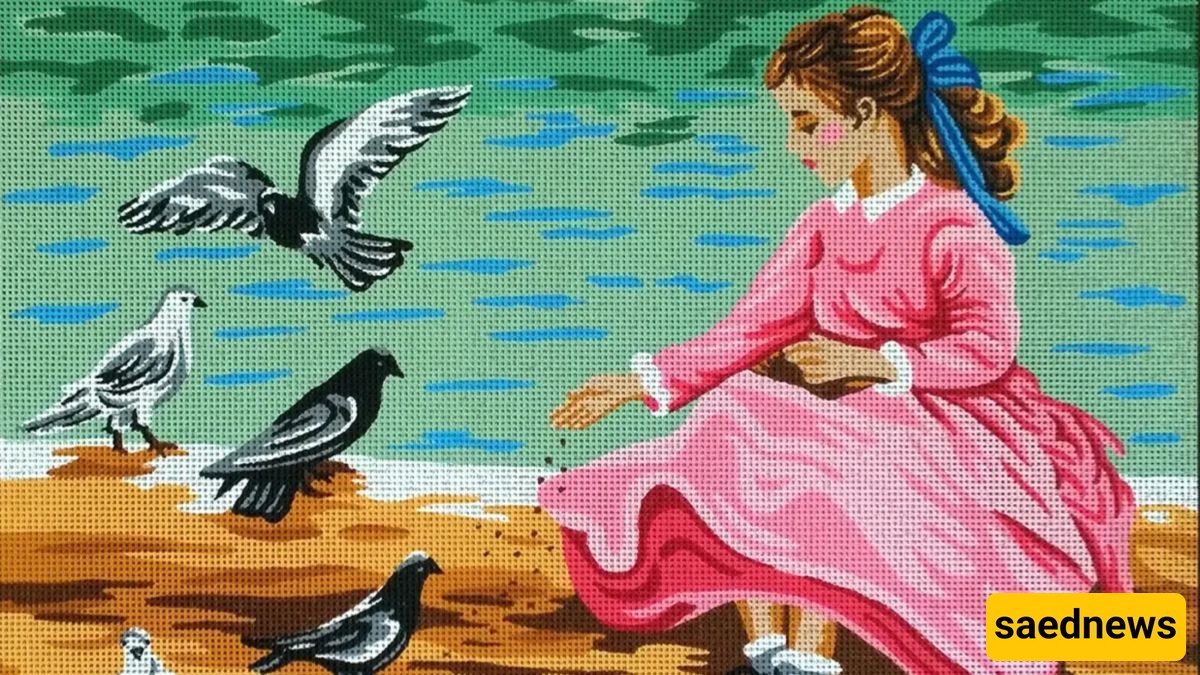
Accordingly, in typical cases where such tapestries promote immodesty and non-religious cultural values, stitching, purchasing, selling, and keeping them is considered forbidden. In uncertain or specific cases where their cultural nature is open to question, individuals should consult their religious authority’s office for a ruling.
Shiite jurists have stated that looking at an image of a non-mahram woman is subject to the same ruling as looking at the woman herself. This means that if looking at a particular part of a woman’s actual body is forbidden, looking at an image of that part may also be forbidden. Some religious authorities also specify that even without sexual desire, looking at a naked body is inherently prohibited.
This ruling has practical implications for the tapestry market, as buyers often display these artworks in their homes or workplaces for extended periods. Therefore, even if an artist has no intention of deriving pleasure while stitching, supplying a product for a setting in which viewing it would be religiously prohibited may itself be regarded as facilitating a forbidden act.