SAEDNEWS: The Prophet spoke extensively in his traditions about the Mosque of Quba and its virtues, describing its location, how it was built, and the history of its construction.
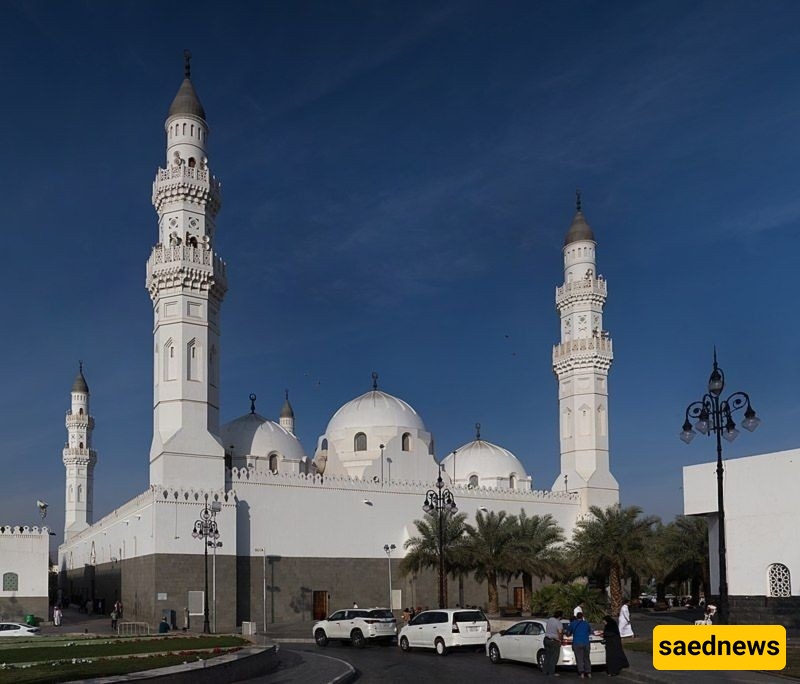
According to Saednews, The Quba Mosque is the first mosque built in Islamic history. It was established in the village of Quba near Yathrib (later known as Medina), during the Prophet Muhammad’s (Muhammad) short stay outside the city following his migration from Mecca.
After arriving in Quba, the Prophet stayed there for several days until Ali ibn Abi Talib and other members of his family joined him. After that, they all proceeded toward Yathrib.
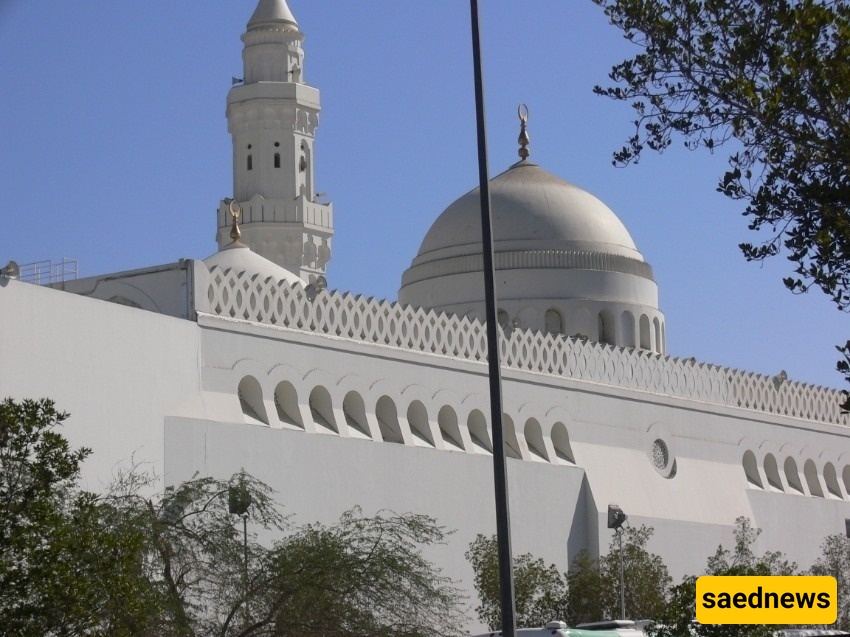
During the four days that the Prophet stayed in Quba, a mosque was built on his orders. The construction was carried out based on a suggestion by Ammar ibn Yasir and at the request of the local residents.
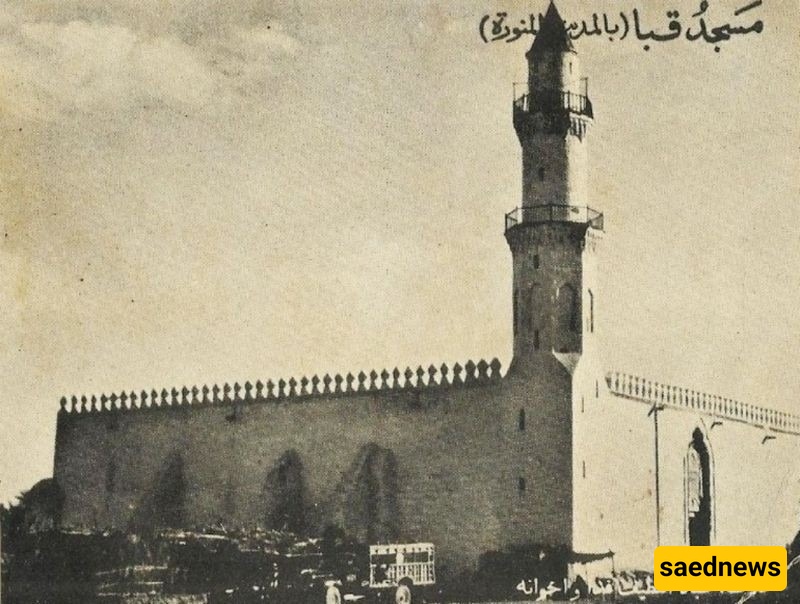
The mosque was initially a simple structure, with walls made of volcanic stones (harrat stones). In its earliest form, it likely had no roof, or if it did, it was made from palm branches.
Quba Mosque is considered one of the most important and beautiful mosques in present-day Medina, as urban expansion has now included Quba within the city limits.
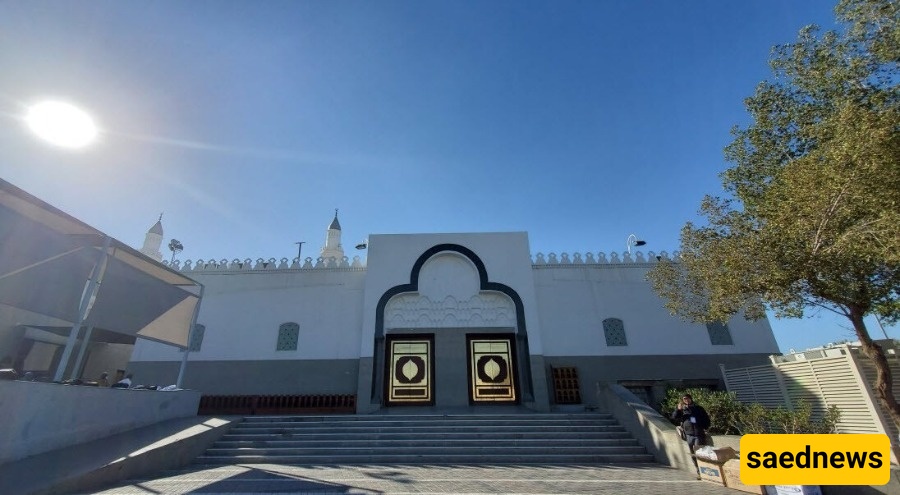
The Quba area is located about 6 kilometers south of the Prophet’s Mosque in Medina. Historically, it was a fertile agricultural region with many palm groves and abundant water.
Before the Prophet’s arrival, some early migrants from Mecca had temporarily settled there. The local tribe, Banu Amr ibn Awf, welcomed the Prophet and the migrants, making Quba the first place of hospitality during the migration.
The Prophet Muhammad (Muhammad) stayed in Quba as a guest of Kulthum ibn Hidm and prayed with the people at the house of Saad ibn Khaythama, which was located in the direction of the qibla of the mosque.
Even after settling in Medina, the Prophet regularly returned to Quba—often on Saturdays or Mondays—and prayed in this mosque.
According to historical reports, he said:
“The Prophet used to come to Quba on Mondays.”
The Qur’an refers to a mosque founded on piety, which scholars associate with Quba Mosque. It emphasizes that this mosque was established on righteousness from its very first day and is more deserving of worship.
During the expedition of Tabuk, a group of hypocrites built another mosque near Quba, later known as the “Mosque of Harm” (Masjid al-Dirar), intending to use it as a center for conspiracy.
They claimed it was built to help the elderly and sick who could not travel to Quba in bad weather. However, after revelation of verses from Surah At-Tawbah (107–108), the Prophet was informed of their intentions, and the mosque was ordered to be destroyed.
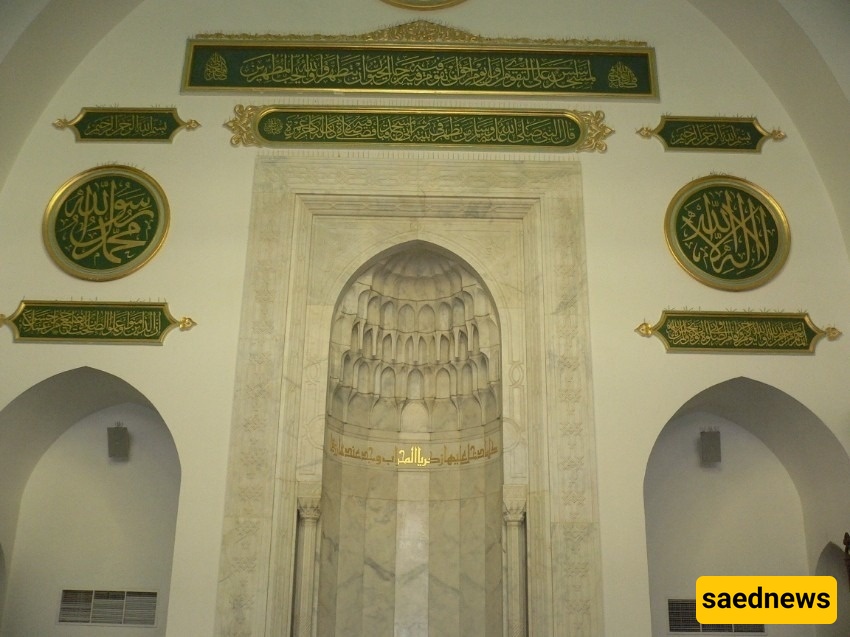
Quba Mosque has undergone several stages of reconstruction and expansion throughout Islamic history:
During the rule of Uthman ibn Affan, it was repaired and expanded
During the era of Umar ibn Abdul Aziz, it was significantly rebuilt
In the 6th and 7th centuries AH, further renovations were carried out
During the Ottoman period and later the Saudi era, it was greatly expanded
The most recent major expansion occurred in the late 14th century AH, transforming it into a large modern structure while preserving its historical significance.
Today, Quba Mosque is a large and remarkable architectural complex with:
Multiple domes (dozens in number in modern structure)
Four tall minarets
A spacious prayer area capable of accommodating thousands of worshippers
A total area of more than 13,000 square meters
The mosque’s design blends modern Islamic architecture with its historical foundation, making it one of the most significant religious landmarks in Medina.
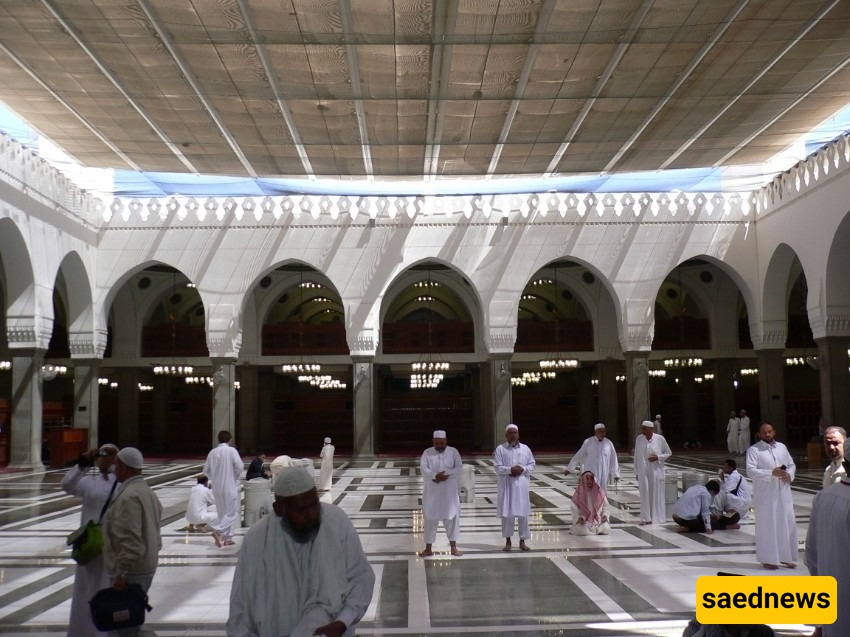
Quba Mosque remains a symbol of purity, faith, and the beginning of Islamic communal worship. It holds a unique place in Islamic history as the first mosque ever built and continues to be one of the most visited sacred sites in Medina.