SAEDNEWS: Can Eyelash Extensions Affect Your Eyesight? Understanding Eye Risks, Warning Signs, and How to Protect Your Vision.
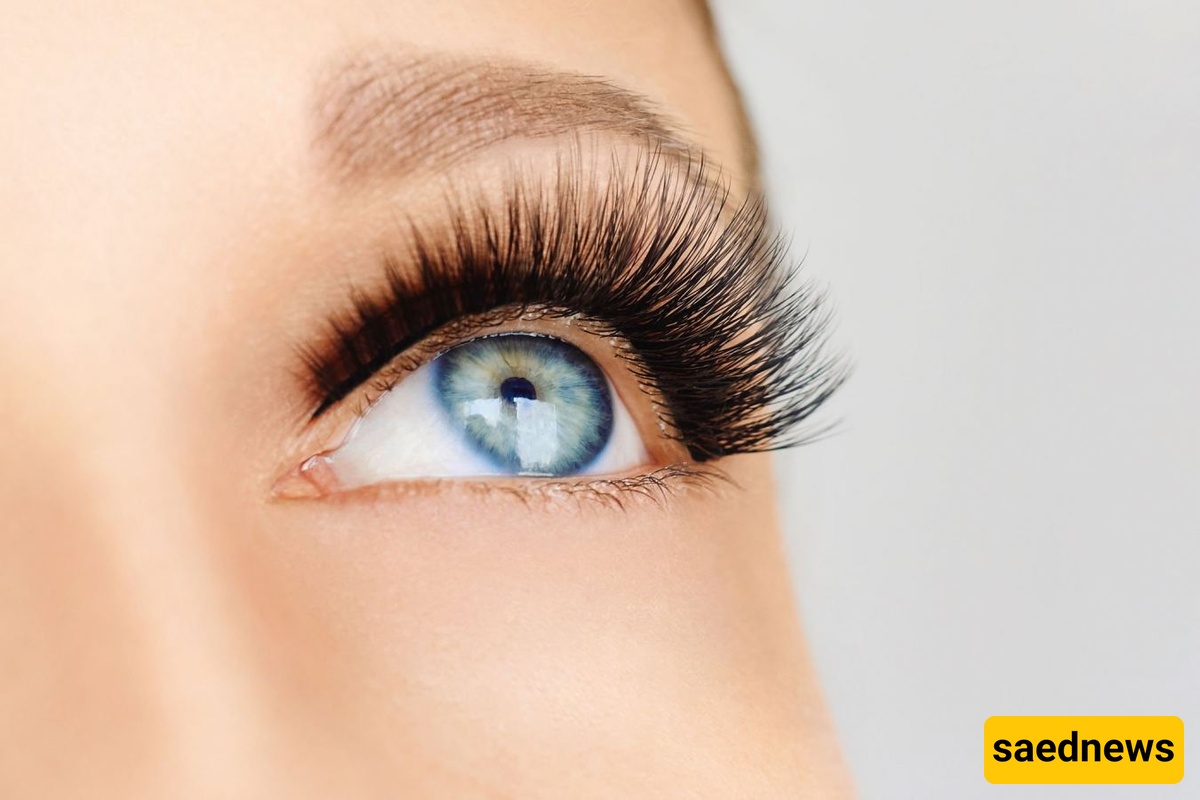
According to Saednews, False eyelashes have become one of the most popular beauty treatments in recent years. Many people choose eyelash extensions, strip lashes, or magnetic lashes to achieve a more attractive look with longer, fuller lashes. However, alongside their growing popularity, an important question arises: Can false eyelashes damage your eyesight?
The short answer is that false eyelashes generally do not pose a serious threat to vision when used correctly. However, improper application, poor hygiene, adhesive allergies, infections, and corneal injuries can expose the eyes to potentially serious complications. Understanding these risks and following proper safety guidelines are essential for protecting eye health.
False eyelashes are artificial fibers used to enhance the appearance of natural lashes by making them look longer, thicker, or fuller. They are generally divided into several main categories:
Strip lashes: Temporary lashes attached to the eyelid or lash line using special adhesive.
Eyelash extensions: Individual or clustered artificial fibers attached to natural eyelashes with professional adhesive.
Magnetic eyelashes: Lashes that attach to natural eyelashes using small magnets.
Eyelash growth products and serums: Products designed to stimulate or support eyelash growth, which work differently from artificial lashes.
Most eye-related risks are associated with eyelash adhesives, extensions, and inadequate hygiene. Magnetic eyelashes may also cause mechanical injuries if used incorrectly or if they contain strong magnets.
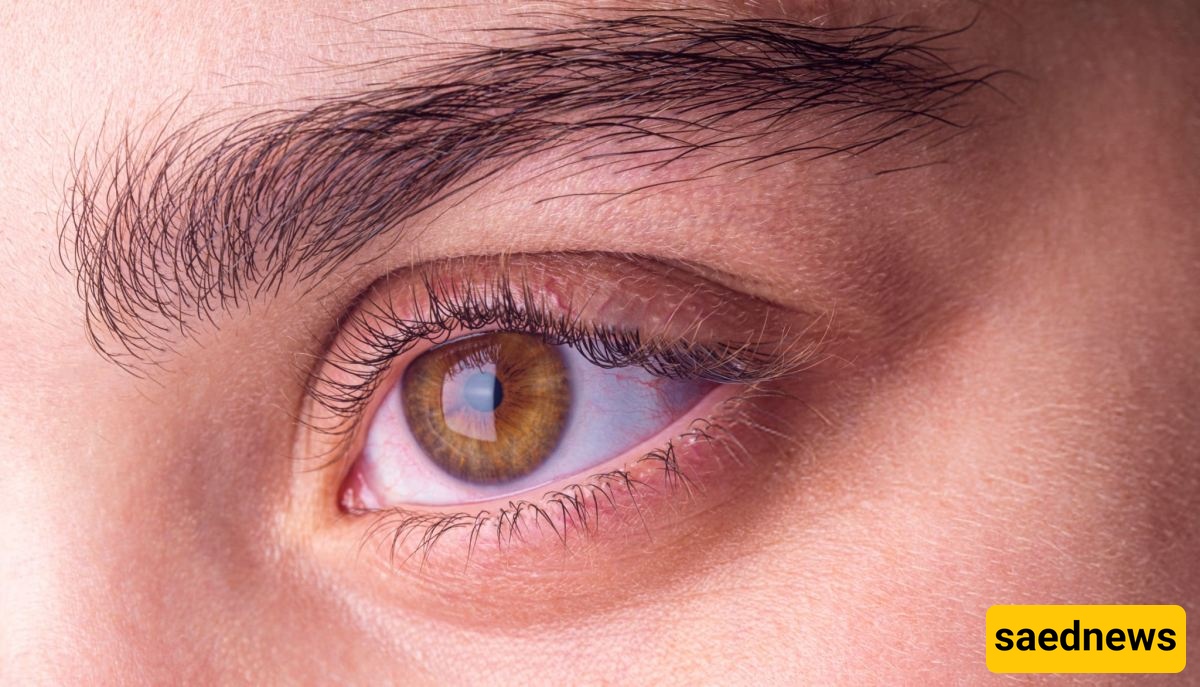
Yes. Although rare, false eyelashes can potentially cause vision-related complications. However, this does not mean that everyone who uses artificial lashes will experience eye problems.
Most eye-related complications are mild and treatable, including eyelid irritation, redness, itching, and mild inflammation. Nevertheless, some complications can be more serious. If symptoms are ignored, they may lead to corneal damage, severe infections, or temporary vision loss.
The likelihood of eye damage largely depends on the following factors:
The quality of the materials used, particularly eyelash adhesive.
The technician's experience, skills, and hygiene practices.
The user's personal hygiene habits.
Existing allergies or underlying eye conditions.
The duration of use and the aftercare routine.
Eyelash adhesives commonly contain chemicals such as cyanoacrylates. In some individuals, these substances can trigger allergic reactions.
Symptoms may include redness, itching, eyelid swelling, burning sensations, watery eyes, and the feeling that something is stuck in the eye.
In severe cases, eyelid swelling may temporarily interfere with vision. If left untreated, allergic reactions may contribute to chronic eyelid and eye inflammation.
Poor hygiene during the application or maintenance of false eyelashes can increase the risk of bacterial or viral infections.
Inflammation of the eyelid margins, known as blepharitis, may cause redness, flaking, burning, and a gritty sensation in the eyes.
In some cases, conjunctivitis or even corneal infections may develop. Although corneal infections are relatively uncommon, they can be serious and require prompt medical treatment.
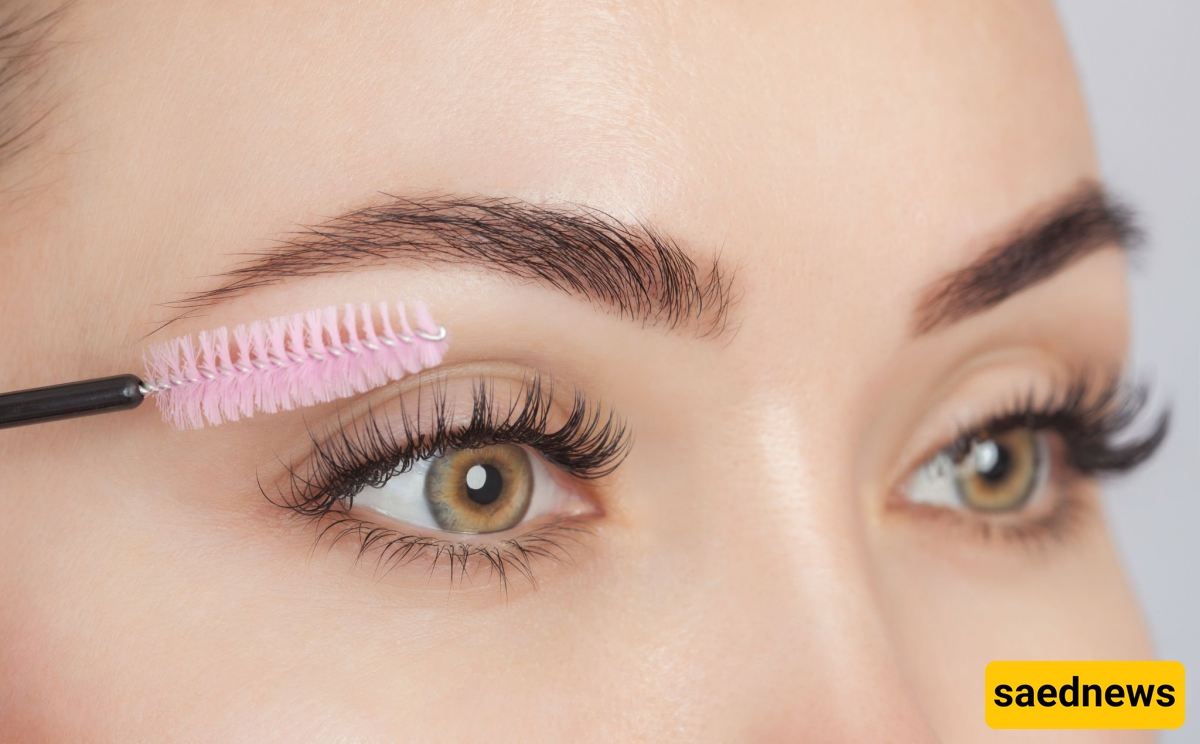
Natural eyelashes serve a protective function by helping prevent dust and foreign particles from entering the eyes.
Eyelash extensions may alter airflow and the natural movement of the eyelashes, potentially contributing to dry eye symptoms in some individuals.
Additionally, eyelash adhesives and their chemical ingredients may affect the meibomian glands, which are located along the eyelid margins and produce the oils needed to maintain a healthy tear film.
Dry eye may cause burning, eye fatigue, temporary blurred vision, and sensitivity to light.
One of the more serious concerns associated with false eyelashes is mechanical damage to the cornea.
Long, heavy, or improperly attached eyelashes may irritate or injure the eye's surface during sleep, eye rubbing, or blinking.
Furthermore, using sharp or inappropriate tools during eyelash extension application may cause corneal abrasions.
Corneal scratches typically cause pain, redness, light sensitivity, and a foreign-body sensation. These symptoms should be evaluated by an eye care professional.
Heavy or improperly applied eyelash extensions can place excessive stress on natural eyelashes, potentially causing temporary lash loss or damage to the eyelash follicles.
Although this complication does not usually threaten eyesight directly, it can affect the health of the eyelids and natural eyelashes.
Certain individuals may be more susceptible to eye-related complications from false eyelashes, including:
People who are allergic to eyelash adhesives or chemical ingredients.
Individuals with a history of dry eye, ocular allergies, or eyelid inflammation.
People with autoimmune conditions that affect the skin or eyes.
Contact lens wearers.
Individuals who have previously experienced corneal injuries or eye infections.
People who have artificial eyelashes applied in unhygienic environments or by unqualified technicians.
Anyone in these groups should consider consulting an ophthalmologist before using false eyelashes.
If you experience any of the following symptoms after using false eyelashes, take them seriously:
Severe or persistent eye pain.
Significant redness or eyelid swelling.
Sudden sensitivity to light.
Blurred vision or reduced eyesight.
Pus-like discharge or excessive tearing.
A persistent sensation of something stuck in the eye.
Flaking or sores along the eyelid margins.
Persistent itching or burning.
If these symptoms occur, avoid rubbing your eyes and seek medical attention promptly. Delaying treatment for an infection or corneal abrasion may lead to more serious complications.
Following these safety recommendations can help reduce potential complications and protect your eye health:
Choose a qualified professional: Have eyelash extensions applied by a trained and experienced technician.
Check adhesive quality: Use reputable, properly formulated eyelash adhesives and avoid unknown or unregulated products.
Perform a patch test: If you have a history of allergies, consider an appropriate allergy patch test before using eyelash adhesive. Keep in mind that a negative test does not guarantee that an allergic reaction will not occur.
Maintain proper hygiene: Hands and application tools must be clean, and the application environment should meet appropriate hygiene standards.
Avoid rubbing your eyes: Rubbing can damage artificial lashes, natural eyelashes, eyelids, and the cornea.
Follow a daily care routine: Gently clean your eyelids and eyelashes using suitable products without excessive rubbing.
Avoid prolonged use: Give your natural eyelashes a break from extensions when needed.
Remove eyelashes properly: Never pull off artificial lashes forcefully or attempt to remove extensions incorrectly.
Consult an ophthalmologist: If you have dry eyes, allergies, or an existing eye condition, seek professional advice before using artificial eyelashes.
Pay attention to symptoms: Stop using the product if you experience unusual irritation or other concerning symptoms.
One common misconception is that false eyelashes are purely cosmetic products and therefore completely harmless. While most complications are mild, ignoring hygiene practices and warning signs can lead to significant eye problems.
Another misconception is that all eyelash adhesives are suitable for everyone. In reality, allergic reactions vary from person to person, and the quality and ingredients of the adhesive matter considerably.
Some people also assume that dry eyes after getting eyelash extensions are normal and harmless. However, persistent dry eye can affect quality of life and compromise the health of the ocular surface.
False eyelashes are generally safe when applied and maintained correctly. However, improper application, poor-quality adhesives, inadequate hygiene, and existing eye conditions can increase the risk of allergic reactions, infections, dry eye, and corneal injuries.
The key to enjoying longer, fuller eyelashes without compromising eye health is to choose quality products, work with qualified professionals, maintain proper hygiene, and never ignore unusual eye symptoms.
Remember: Your eye health is far more important than any cosmetic enhancement. If you experience eye pain, significant redness, swelling, or changes in vision after using false eyelashes, seek prompt medical evaluation.