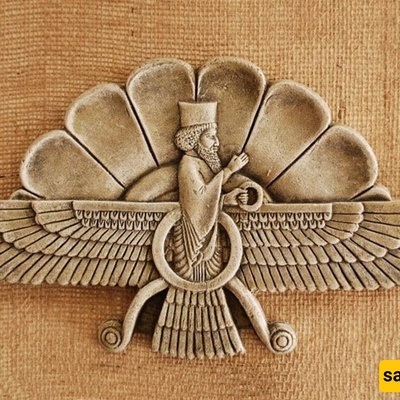
SAEDNEWS: The Faravahar, also known as the symbol of Ahura Mazda or the ancient winged deity, is one of the most recognized symbols of ancient Persia and Zoroastrianism. But what does this historic symbol actually represent?
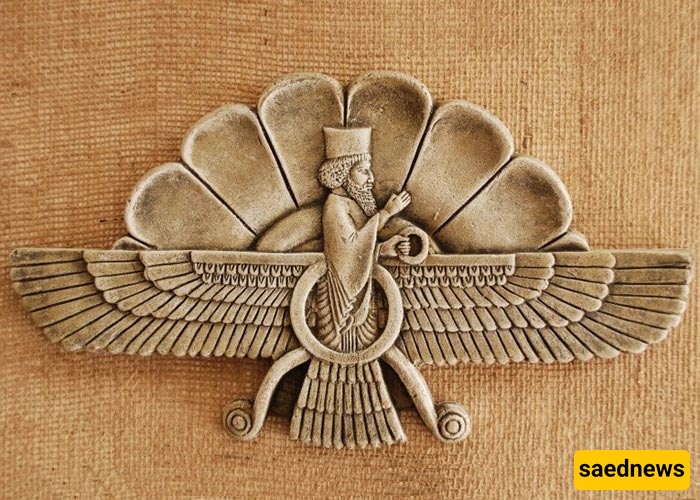
According to Saednews, Almost all of us have heard of the Faravahar. Many people wear it as a pendant or bracelet, or use its image and statues as decorations. However, not everyone knows much about its history or what it represents. The Faravahar is commonly associated with Ahura Mazda, the ancient Iranian supreme deity, and the winged symbol found in ancient Persian art.
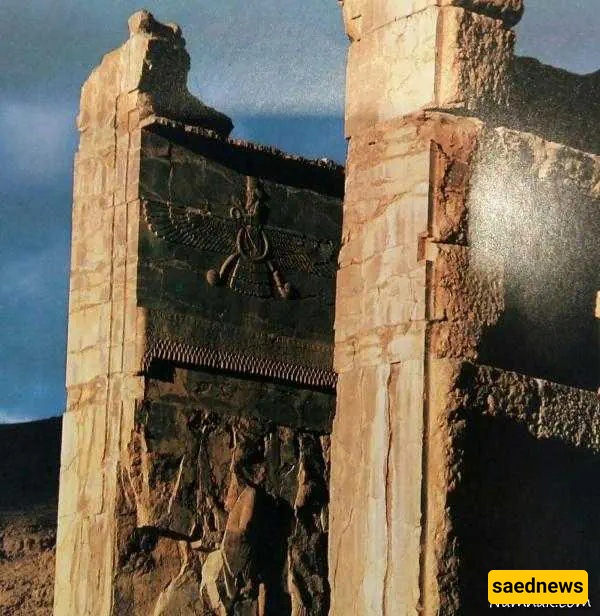
This symbol is carved above many inscriptions of Achaemenid kings, including those at Persepolis (Pārse), the ancient capital of the Persian Empire, where it appears above palace entrances and on monuments.
With a documented history spanning at least 2,500 years, this symbol has remained meaningful to Zoroastrians and Iranians who cherish the country's ancient culture and civilization. In the mythology and religious traditions of ancient Iran, the symbol carries profound significance and is interpreted in various ways.
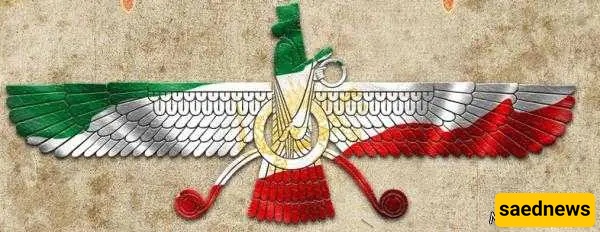
Today, the Faravahar appears in many forms, including silver plates, tiles, stone carvings, and jewelry such as necklaces and rings. Because it evokes the glory and power of ancient Persia while conveying deep ethical values, it remains widely admired.
Whether they are Muslim, Christian, Jewish, or Zoroastrian Iranians, or even non-Iranian admirers of Iranian culture, many people display this symbol on jewelry, buildings, walls, and in their homes. Understanding its traditional meaning allows them to appreciate not only its beauty but also the ancient wisdom associated with its design.
According to the mythology and religious beliefs of ancient Iran, particularly Zoroastrian tradition, human existence consists of five elements. These can be explained in simple terms without relying on ancient terminology:
The Body: The physical form of a human being.
The Soul: The spiritual aspect of a person, which receives reward for good deeds or punishment for bad deeds in the afterlife.
Life: The vital force that makes a person alive and ends with death.
Conscience: The inner judge that enables a person to evaluate their own actions and distinguish right from wrong.
Faravahar: Traditionally understood as a divine spiritual essence, or a blessing from Ahura Mazda, meaning the “Wise Lord.” It is entrusted to human beings and remains pure, free from sin. After death, it returns to the divine source.
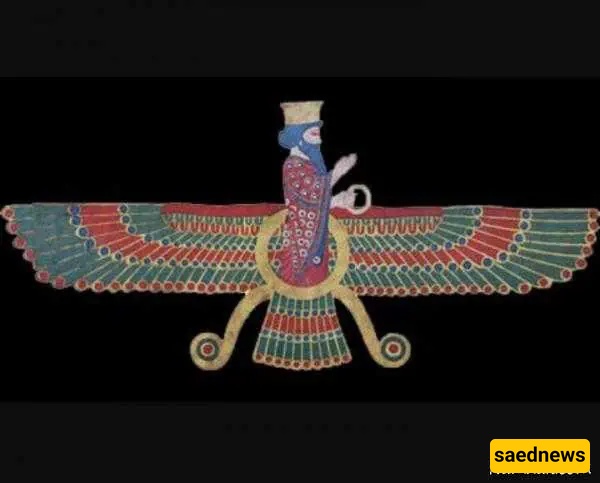
According to traditional Iranian beliefs, the Faravahar is responsible for protecting a person from the moment of conception until death. After death, it ascends to the spiritual realm but does not abandon its connection with the person's physical life. It continues to watch over the deceased person's surviving family and is believed to ask God to grant them health and happiness.
In ancient Iranian tradition, the Faravahar differs from the soul. The soul is accountable for a person's actions and may receive punishment, whereas the Faravahar remains pure.
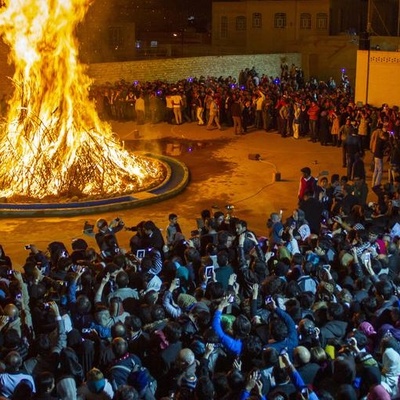
The month of Farvardin, the first month of the Iranian calendar, is traditionally associated with the Faravahars of the departed. Visiting graves and lighting candles or lanterns on the eve of Nowruz, the Iranian New Year, are connected in some traditional interpretations with the belief that the spirits or Faravahars of the deceased return from the heavens to their homes and graves on the first day of Farvardin.
The custom of thoroughly cleaning one's home before Nowruz is also associated with preparing the house to welcome these heavenly visitors. Similarly, the tradition of Sizdeh Bedar, celebrated on the thirteenth day of Farvardin, has been linked in some interpretations to bidding farewell to the Faravahars as they return from the natural world to the heavens.
These customs are repeated every year, although many people may not be familiar with their traditional interpretations.
It is worth noting that different ethnic groups, religions, and schools of thought in Iran have their own explanations for these traditions. The account presented here is just one interpretation among many. Readers interested in exploring the mythology of ancient Iran in greater depth can consult specialized books, academic articles, and research resources.
The Faravahar is sometimes described as a symbolic representation of Ahura Mazda. Although this interpretation is not entirely accurate, it is understandable in light of the traditional belief that the Faravahar represents a pure divine essence or a blessing from Ahura Mazda entrusted to every human being.
Let us now examine the individual elements of the symbol and their commonly offered interpretations.
The central figure depicts an elderly Persian man enclosed within a circular ring. His appearance represents experience and wisdom, symbolizing the idea that human beings should strive toward maturity and spiritual development.
The large circle surrounding the figure is often interpreted as representing the material world in which human beings are born and live.
On either side of the central circle are two wings, each divided into three sections. These three sections are traditionally associated with the three fundamental ethical principles of Zoroastrianism:
Good Thoughts
Good Words
Good Deeds
These principles are among the most famous teachings of Zoroastrian ethics and emphasize the importance of moral conduct.
Through good thoughts, good words, and good deeds, a righteous person can symbolically rise above the limitations of the material world and move toward truth, righteousness, and spiritual fulfillment.
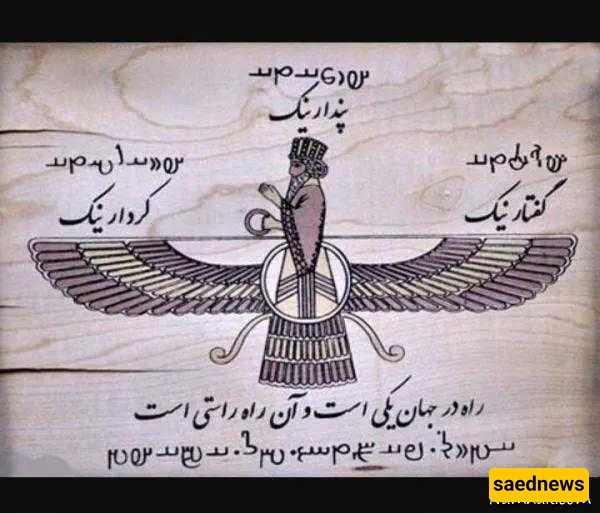
The figure holds a ring in its left hand. This ring is commonly interpreted as representing a covenant or promise that a person makes with God, Ahura Mazda, to think, speak, and act in accordance with divine principles.
The tradition of exchanging wedding rings, in which spouses place rings on one another's fingers, can be viewed as a symbolic parallel: the ring represents a bond of commitment, loyalty, and faithfulness.
Although the precise historical relationship between wedding rings and the Faravahar's ring is not established by this interpretation, the comparison illustrates the shared symbolism of promises and enduring commitments.
The figure raises its right hand in a gesture that can be understood as a sign of reverence and a call toward the right path.
The author of the original text draws a parallel between this gesture and the Quranic prayer, “Guide us to the straight path” (Surah Al-Fatiha, 1:6).
The Faravahar's spiritual meaning may also remind some viewers of Islamic teachings that God breathed of His spirit into humanity and that all people ultimately return to Him.
These parallels illustrate how different religious traditions can share themes of moral responsibility, spiritual purpose, and the pursuit of righteousness.
Throughout history, prophets and reformers inspired by faith have sought to encourage ethical behavior and guide humanity toward higher moral ideals. Similar aspirations can be found among the sincere and thoughtful followers of many religious and spiritual traditions.
Below the figure is a tail divided into three sections. In one common symbolic interpretation, these three sections represent the opposites of the three wing sections.
Where the wings represent good thoughts, good words, and good deeds, the tail represents:
Bad thoughts
Bad words
Bad deeds
The contrast serves as a reminder that human beings must recognize and overcome negative thoughts, harmful speech, and wrongful actions.
According to this interpretation, a person should use wisdom and moral discipline to rise above wrongdoing, remain committed to the right path, and strengthen the positive qualities represented by the wings.
Two ribbon-like forms extend downward from opposite sides of the central ring, which represents the world in this interpretation.
They are sometimes understood as symbolizing opposing forces, such as:
Good and evil
Light and darkness
Truth and falsehood
Their opposing directions emphasize the contrast between these forces and the importance of choosing the path of goodness and truth.
The Faravahar is more than an emblem associated with ancient Persia. In modern Iranian culture, it represents a connection with the country's ancient heritage, while its commonly interpreted symbolism conveys enduring ethical ideals.
Its message encourages people to cultivate good thoughts, speak good words, perform good deeds, honor their commitments, and resist harmful behavior.
By appreciating the moral and cultural wisdom passed down through Iran's history—from ancient times through the centuries following the arrival of Islam to the present day—we can draw inspiration from our shared human values and work toward a more compassionate society and the continued prosperity and development of our homeland.