SAEDNEWS: Stay cool and comfortable on the hottest days of the year with the best natural and synthetic fabrics, including linen, cotton, silk, hemp, Coolmax, and Tencel.
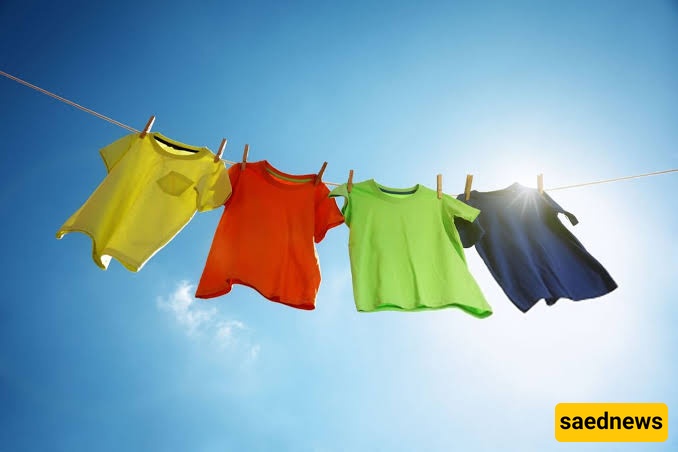
According to Saednews, Summer brings heat, sweating, and the need for clothing that keeps you looking polished while helping your body stay cool. Choosing the right fabric can make a significant difference in your comfort during hot weather.
Many people assume that any lightweight fabric is suitable for summer. However, the reality is that a fabric’s fiber type, weave, and manufacturing technology directly affect airflow, moisture absorption, and heat release.
In this guide, we explore some of the best cooling fabrics for summer and examine the characteristics of each from different perspectives. We will also share practical tips for choosing and caring for these fabrics so you can stay cool and comfortable even on the hottest days of the year.
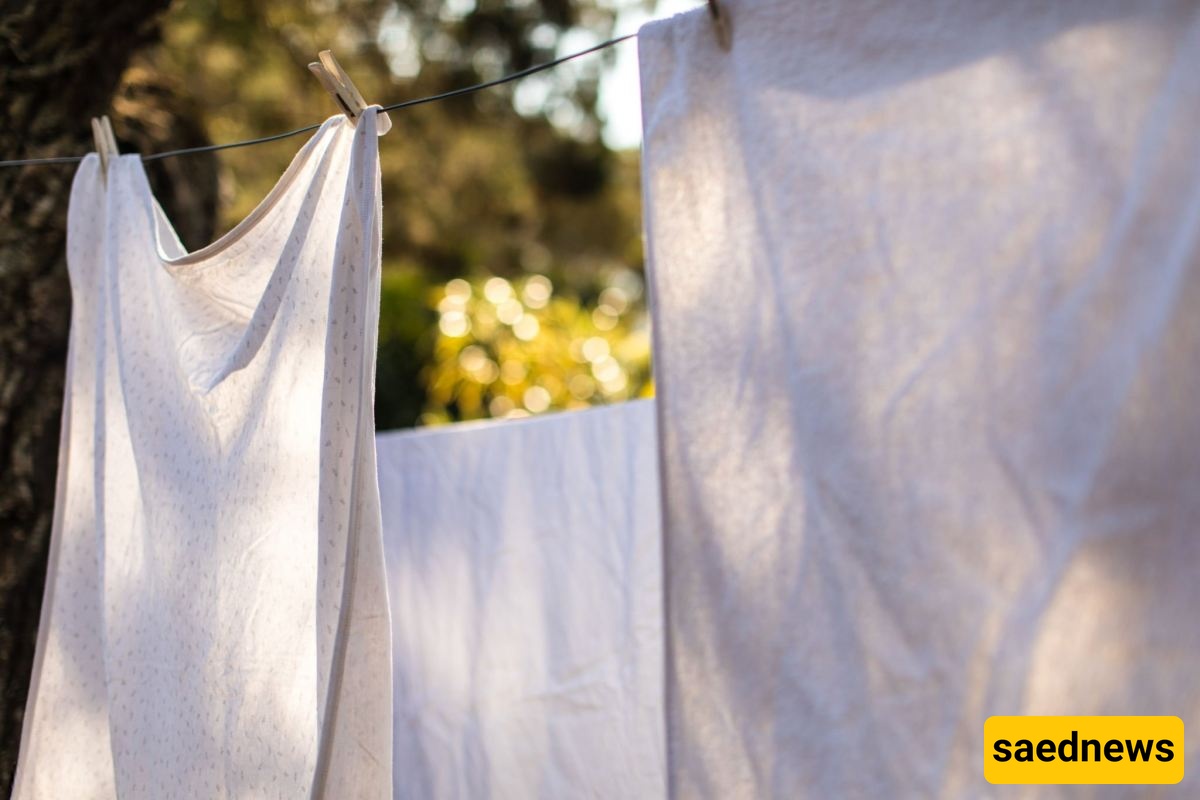
Linen is one of the oldest and most popular summer fabrics. Made from the fibers of the flax plant, it has a naturally porous structure that provides excellent airflow. One of linen’s most important advantages is its ability to quickly absorb perspiration and move moisture toward the outer surface, allowing it to evaporate faster.
Advantages: Excellent breathability, high moisture absorption, naturally gentle on sensitive skin
Disadvantages: Wrinkles easily and may become more prone to tearing when overly dry
Best for: Men’s shirts, loose-fitting trousers, summer dresses, and lightweight formalwear
Cotton is the most widely used natural textile fiber in the world. Different types of cotton, including Egyptian cotton, organic cotton, and conventional cotton, can vary considerably in how cool they feel depending on yarn quality and fabric density.
Lightweight cotton with a loose or open weave is particularly suitable for summer.
Advantages: Soft, affordable, widely available, and offered in many colors and designs
Disadvantages: Can take longer to dry and may cling to the skin in humid conditions
Tip: For hot weather, look for lightweight cotton fabrics made with a plain weave.
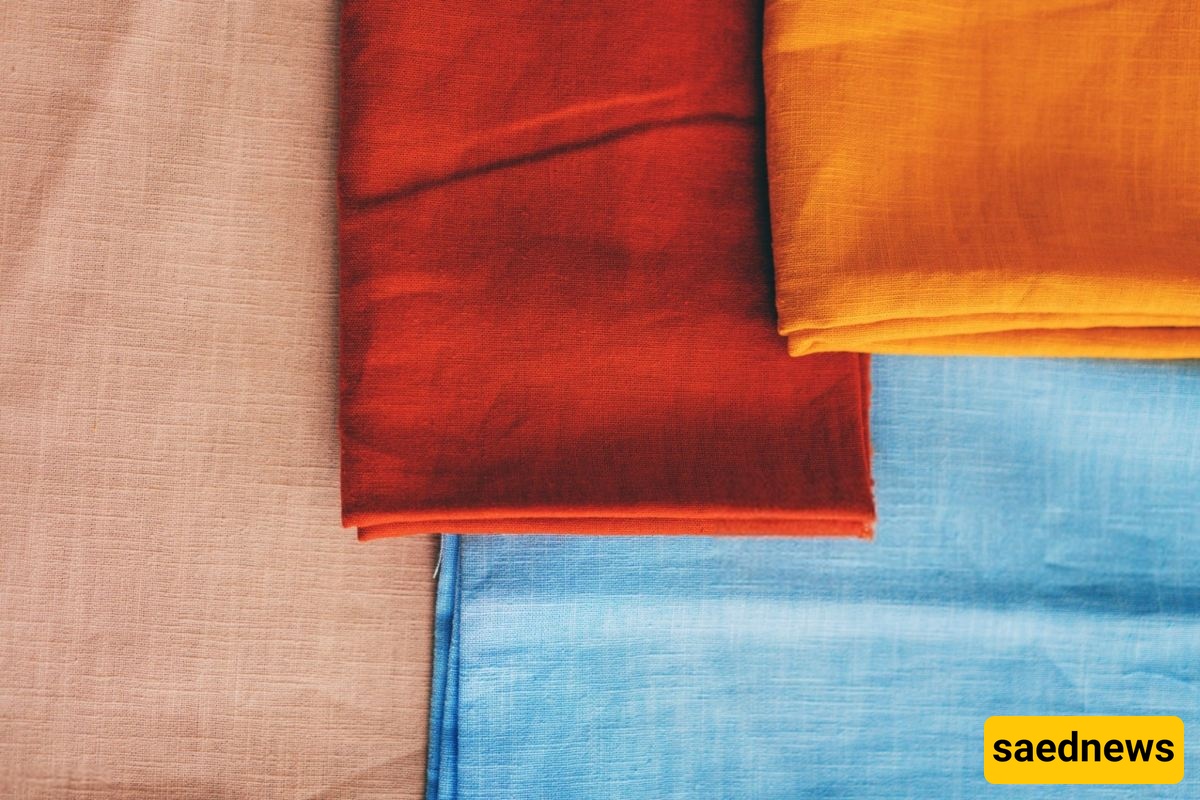
Despite its reputation as a luxury material, silk can be an excellent choice for warm weather. This natural fiber, produced by silkworms, has natural temperature-regulating properties. It can help retain warmth in cooler conditions while remaining relatively comfortable in summer.
Advantages: Lightweight, exceptionally soft, and capable of absorbing moisture without immediately feeling wet
Disadvantages: Relatively expensive and often requires more careful washing
Best for: Shirts, blouses, lightweight scarves, and elegant summer clothing
Hemp fibers have become increasingly popular because of their durability, natural breathability, and environmental appeal. Hemp fabrics can provide excellent airflow and are naturally resistant to certain bacteria and mold.
Advantages: Durable, naturally resistant to odors and bacteria, and highly breathable
Disadvantages: The fabric can initially feel rougher than cotton, although it generally becomes softer with washing.
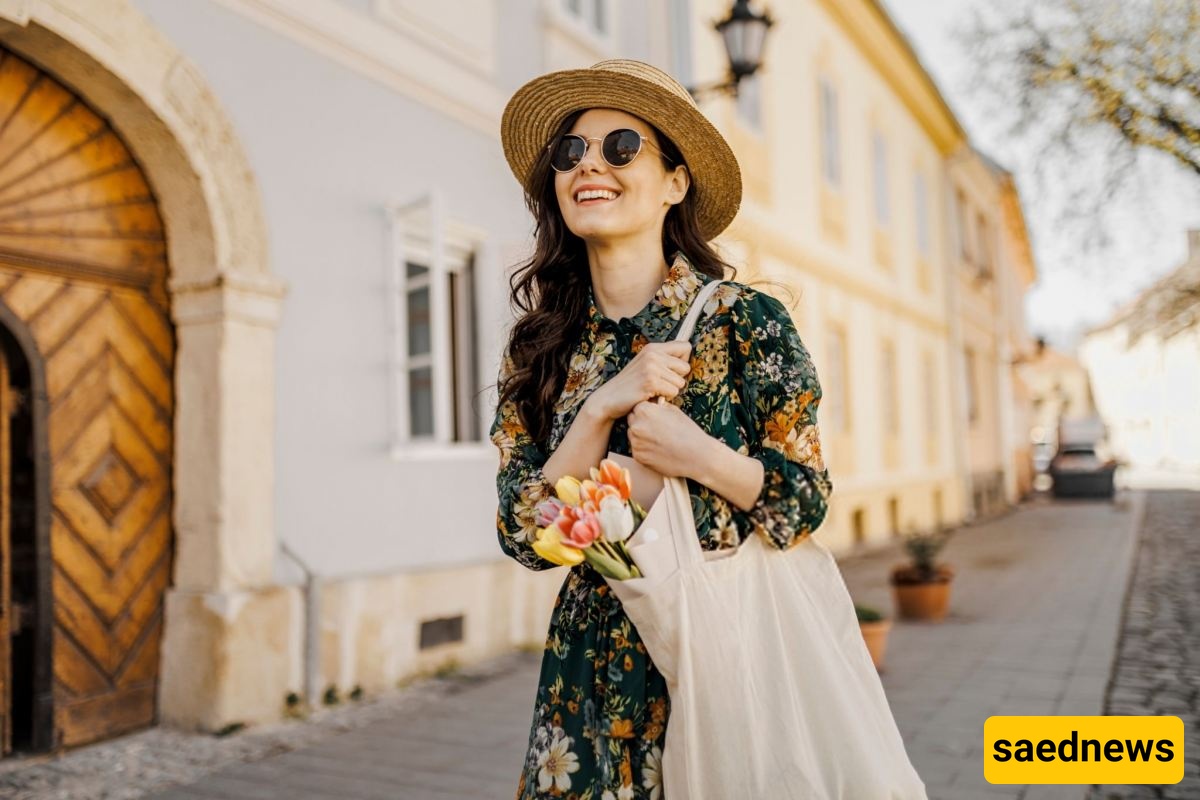
Polyester may initially seem like an unsuitable choice for hot weather. However, specialized performance fabrics such as Coolmax use specially engineered fibers and channels to move moisture away from the skin and accelerate evaporation.
These fabrics dry quickly and are particularly useful for sports and other physically demanding activities.
Advantages: Very fast drying, lightweight, wrinkle resistant
Disadvantages: Some polyester fabrics may feel less comfortable or less breathable in extremely hot conditions
Examples of well-known technologies: Coolmax, Nike Dri-FIT, and Adidas Climalite
Nylon is commonly associated with sportswear, but specially engineered versions with open or lightweight constructions can also work well in warm weather. It is thin, lightweight, and highly resistant to tearing.
Advantages: Durable, lightweight, and somewhat water resistant
Disadvantages: Generally less breathable than many natural fibers
Bamboo-based textiles are often promoted as soft, breathable materials with good moisture-management properties. Bamboo-derived fabrics can have a comfortable feel and are often valued for their softness.
Advantages: Soft, comfortable, odor resistant, and made from a renewable plant source
Disadvantages: The environmental impact depends heavily on how the bamboo is processed, as some manufacturing methods require significant chemical treatment.
Tencel, also known as lyocell, is a semi-synthetic fiber made from wood pulp. It is known for its soft texture, moisture-management properties, and comfortable feel against the skin.
The production process can be more environmentally responsible than that of some conventional textile fibers, particularly when manufactured in a closed-loop system.
Advantages: Soft, moisture absorbent, comfortable, and naturally resistant to odor buildup
Best for: Everyday clothing, bedding, lightweight garments, and activewear
Many modern fabrics combine natural and synthetic fibers to achieve a balance of comfort, durability, and performance.
For example:
Cotton and polyester: Helps reduce wrinkling while improving durability.
Linen and spandex: Adds a small amount of stretch to linen for greater comfort and ease of movement.
Bamboo-derived fibers and linen: Can combine softness with the breathable feel associated with linen.
When choosing clothing for hot weather, consider the following factors:
Breathability refers to how easily air can move through a fabric. Fabrics with open structures or breathable constructions, such as lightweight linen, generally allow greater airflow.
Moisture management describes a fabric’s ability to move perspiration away from the skin toward the outer surface, where it can evaporate.
This feature is especially important in performance fabrics designed for exercise and outdoor activities.
Lightweight fabrics are often more comfortable in hot weather, but thickness alone does not determine how cool a fabric will feel. Fiber type, weave, finishing, and garment construction also play important roles.
Light colors such as white, beige, cream, and pastel shades generally reflect more sunlight than dark colors and can help reduce heat absorption.
Dark colors tend to absorb more solar radiation, although the actual effect also depends on the fabric and garment construction.
Loosely woven fabrics allow more air to circulate through the material and can therefore feel cooler than tightly woven fabrics.
Lightweight linen or cotton shirts are excellent choices for everyday summer wear. Cotton fabrics such as poplin can provide a balance of structure and breathability.
For more formal workplaces, lightweight cotton or cotton-silk blends can offer a polished appearance while remaining relatively comfortable in warm conditions.
For outdoor sports and exercise, moisture-managing performance fabrics such as Coolmax-style polyester or other technical textiles can be useful. They are designed to move perspiration away from the skin and dry quickly.
Tencel and other moisture-managing fibers may also be suitable for less intense activities.
For travel, choose a versatile fabric that is lightweight, relatively wrinkle resistant, and quick drying. A cotton-polyester blend can be a practical option when you want easier care and improved durability.
Soft cotton or comfortable bamboo-derived fabrics can work well for pajamas, loungewear, and other clothing intended for relaxing at home.
Proper care can help lightweight summer clothing last longer.
Avoid washing natural fibers in excessively hot water, as heat can contribute to shrinkage.
Keep delicate fabrics such as silk away from prolonged direct sunlight during drying.
Linen and hemp garments are often easier to iron when they are slightly damp.
Follow the care label when washing synthetic performance fabrics, as fabric softeners may interfere with the moisture-management finish of some technical textiles.
Avoid excessive heat when drying delicate or lightweight garments.
The textile industry continues to develop fabrics designed to improve comfort in warm conditions.
These fabrics are designed to help reduce exposure to ultraviolet radiation and can provide additional protection when spending time outdoors.
Some textiles are treated with antimicrobial technologies or other odor-control finishes to reduce the buildup of unpleasant smells.
Phase-change textiles contain materials designed to absorb and release heat as their physical state changes. These technologies can help regulate the microclimate between the fabric and the skin.
The best summer fabric depends on your lifestyle, activity level, climate, and personal preferences.
For people who prefer natural and classic materials, lightweight linen and breathable cotton are excellent choices. If quick drying and moisture management are priorities, technical polyester fabrics and other performance textiles can be more suitable.
Blended fabrics can also provide a useful balance of properties, such as improved durability, reduced wrinkling, stretch, and moisture management.
Remember that the fabric itself is only part of the equation. Light colors, a relaxed fit, breathable construction, and appropriate layering can all contribute to greater comfort in hot weather.
By choosing fabrics carefully and taking proper care of your clothing, you can stay more comfortable throughout the summer and reduce the impact of heat and excessive sweating on your daily life.
We hope this guide helps you choose the right fabrics for warm-weather clothing and make more comfortable choices throughout the summer.