SAEDNEWS: Many people consider “outfit” and “style” to be synonymous, but these two concepts are fundamentally different. In this article, we’ll explore the distinction between them in simple and easy-to-understand terms.
According to Saednews, In the ever-changing world of fashion and clothing, the words “outfit” and “style” are used constantly. Many people consider these two terms interchangeable, but in reality, they represent two fundamentally different concepts.
If you are new to the world of fashion or want to better understand your own visual identity, recognizing the difference between an outfit and personal style can completely change the way you approach dressing.
In this comprehensive guide, we will take a closer look at both concepts, explain what an outfit is, define personal style, and explore the key differences between them. Understanding this distinction can help you make more thoughtful and confident clothing choices for everyday life and special occasions.
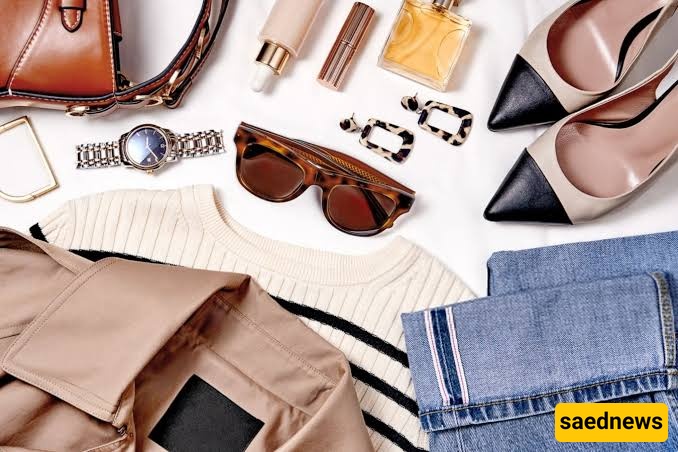
In its simplest definition, an outfit is the combination of clothing and accessories a person wears at a particular moment and for a specific occasion. It refers to the complete look you are wearing—from a shirt and trousers or a skirt to shoes, a bag, belt, socks, scarf, and even glasses.
In other words, an outfit is the final combination and appearance that others see.

An outfit is always connected to time and place. For example, the outfit you wear to a formal business meeting can be completely different from the one you choose for a casual gathering with friends or a weekend walk.
You can even think of an outfit as a snapshot. If you wear a black leather jacket, a white T-shirt, and jeans today, that combination creates one particular outfit. Tomorrow, if you wear the same leather jacket with tailored trousers and a dress shirt, you have created a completely different outfit—even if some of the pieces remain the same.
The key characteristic of an outfit is its arrangement and combination. This is why terms such as “coordinating” or “putting together a look” are so common in fashion.
Choosing complementary colors, maintaining balance between different silhouettes, coordinating the overall feel of each piece—such as formal with formal or sporty with sporty—and considering the season and weather all contribute to creating a successful outfit.
For many people, discovering new and creative combinations to build different outfits is an enjoyable and artistic hobby.
Style, however, is a much deeper and broader concept than simply putting clothes together. Style is the way you choose to express your identity through clothing, behavior, communication, and even your way of thinking.
In fashion, style can be described as your personal signature. It is a visual language that communicates who you are, what you value, and how you want to be perceived—often without saying a word.
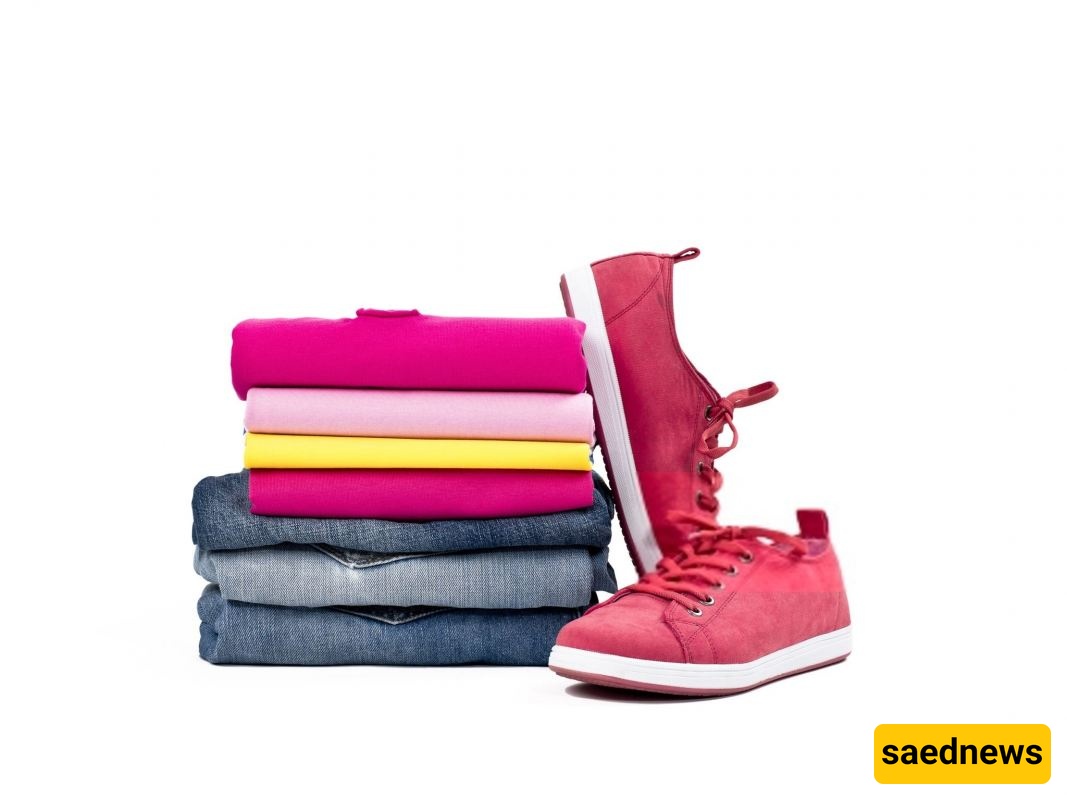
Unlike an outfit, which is temporary and influenced by a particular occasion, personal style is relatively consistent and deeply rooted. Your style develops and evolves over time, but its underlying character rarely changes completely unless you consciously decide to take your appearance in a new direction.
Style can be influenced by many factors, including culture, stage of life, personality, profession, lifestyle, and individual mood.
For example, someone may have a classic style. They might consistently choose neutral colors, clean tailoring, and timeless garments such as two-button jackets and straight-leg trousers.
Now imagine that the same person goes on a mountain trip and wears an outfit made up of technical outdoor and hiking clothing. Their classic style may still be visible in their choice of colors—perhaps olive green or navy instead of fluorescent shades—and even in the way the individual pieces are combined.
So, while an outfit may change from one situation to another, personal style acts like a thread connecting all those different looks.
Now that we have defined both concepts, we can look more closely at the main differences between an outfit and personal style.
One of the most obvious differences is how long each concept lasts.
An outfit can be compared to a snapshot—something captured at a particular moment. You could wear seven completely different outfits during one week.
Your personal style, on the other hand, tends to remain relatively consistent from Monday morning through Friday evening. Style is more like a documentary film about your life: it reveals the overall character and evolution of your personality, while an outfit is simply one frame from that film.
An outfit is one element of your overall style expression. Your outfits are practical, visible manifestations of your personal style.
If style were a large circle, individual outfits would be the many points appearing around it.
Style represents your ongoing choices and general approach to appearance, whereas an outfit is the immediate, physical result of those choices.
In simple terms, style is more abstract and personal, while an outfit is concrete and visible.
Outfits are often shaped by external factors: the occasion, the weather, workplace dress codes, current trends, or the activities planned for the day. You put together an outfit based largely on the situation.
Personal style, however, is shaped more strongly by internal factors such as personal taste, values, comfort, confidence, and your own perception of beauty.
Your style is not simply created for other people; it is also about how you want to feel in what you wear.
A useful way to put it is:
Style is what you choose to wear because it feels like you; an outfit is what you put together for a particular moment.
Ideally, the two work together.
It is relatively easy to recreate the outfit of a celebrity or fashion influencer. You can buy similar pieces and combine them in a similar way.
An outfit is primarily about appearance, and appearance can often be imitated.
Personal style, however, cannot be borrowed so easily.
Even if someone wears exactly the same clothes as you, their personality and way of carrying themselves can make the final look completely different. This is why we describe someone as “well-dressed” or “stylish,” rather than simply saying that they own expensive or fashionable clothes.
Personal style carries an element of authenticity and confidence that goes beyond brands and trends.
You may wonder what practical difference this distinction makes in everyday life.
The answer is simple: understanding the difference can help you move from simply wearing clothes to developing a recognizable personal style.
Many people spend hours and considerable money creating outfits based on the latest fashion trends. Yet even with a wardrobe full of different clothes, they may still feel that something is missing or that their looks never feel completely cohesive.
Often, the problem is the absence of a clear sense of personal style behind those outfits.
They may never have taken the time to consider who they are, what they genuinely like, or what makes them feel most comfortable and confident.
Once you understand your personal style, shopping becomes more intentional. Instead of blindly following every new trend, you begin to recognize which pieces genuinely suit your personality and preferences.
Putting together an outfit also becomes easier. Your choices become faster, more confident, and more satisfying.
In other words, style gives you the framework, while outfits are the individual expressions created within that framework.
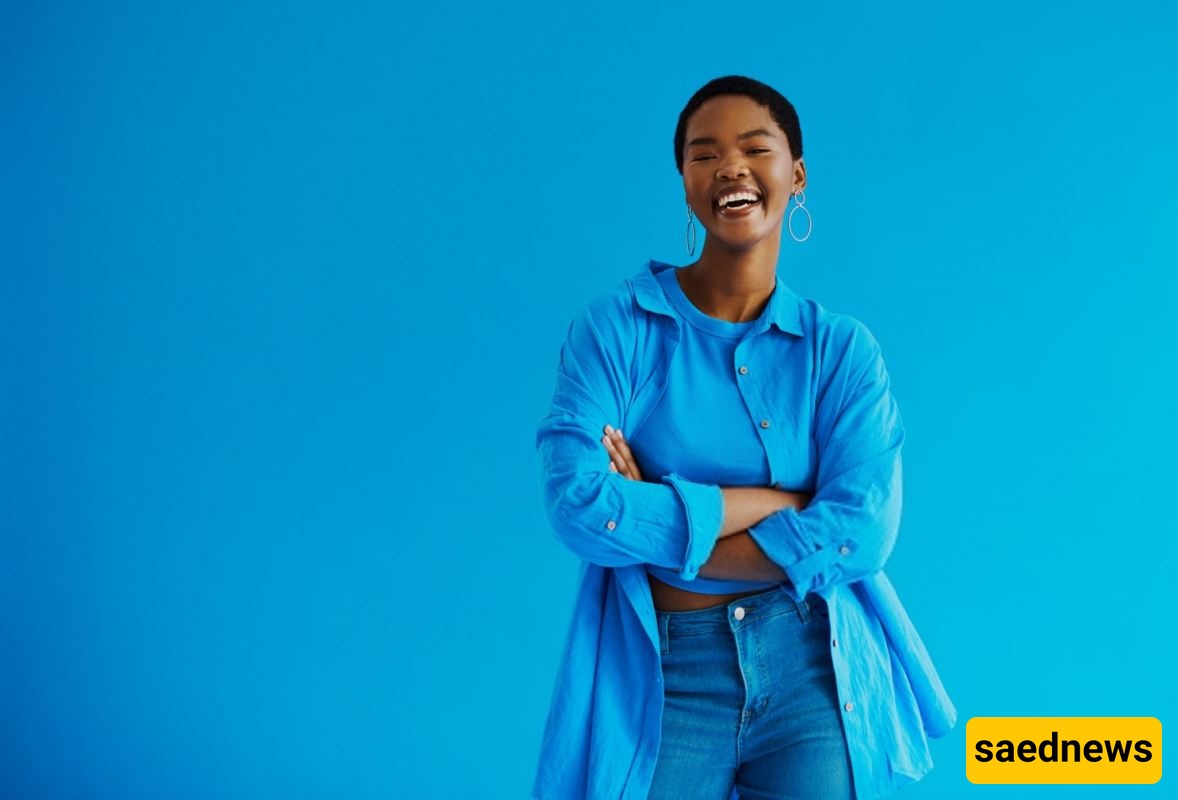
To create a wardrobe and appearance that truly suit you, it is important to pay attention to your everyday outfits while also working on identifying and developing your personal style.
Here are some practical ways to begin.
Before buying anything new, open your wardrobe and take an honest look at what you already own.
Ask yourself:
Which colors do I wear most often?
Which clothes do I repeatedly reach for?
Which pieces make me feel confident?
What do I almost never wear?
Which outfits make me feel most like myself?
This simple exercise can reveal a great deal about your existing style.
The clothes that naturally align with your personality are often the pieces you wear repeatedly and confidently.
Follow fashion brands, celebrities, designers, and influencers and study the outfits that catch your attention.
Instead of copying a look exactly, try to understand what you actually like about it.
Is it the color combination? The silhouette? The layering? The proportions? The simplicity?
Then recreate the same idea using pieces you already own or items that fit your own budget and preferences.
This allows you to gradually bring elements you love from the wider fashion world into your own personal style.
When putting together an outfit, focus on harmony rather than accumulation.
A successful outfit does not need to be loud or overloaded with several eye-catching elements at once. Often, it is the subtle balance of texture, color, proportion, and silhouette that creates a sophisticated look.
Three main colors are often enough for one outfit.
You can also create a focal point, such as a patterned scarf or a statement jacket, and keep the remaining pieces relatively simple and complementary.
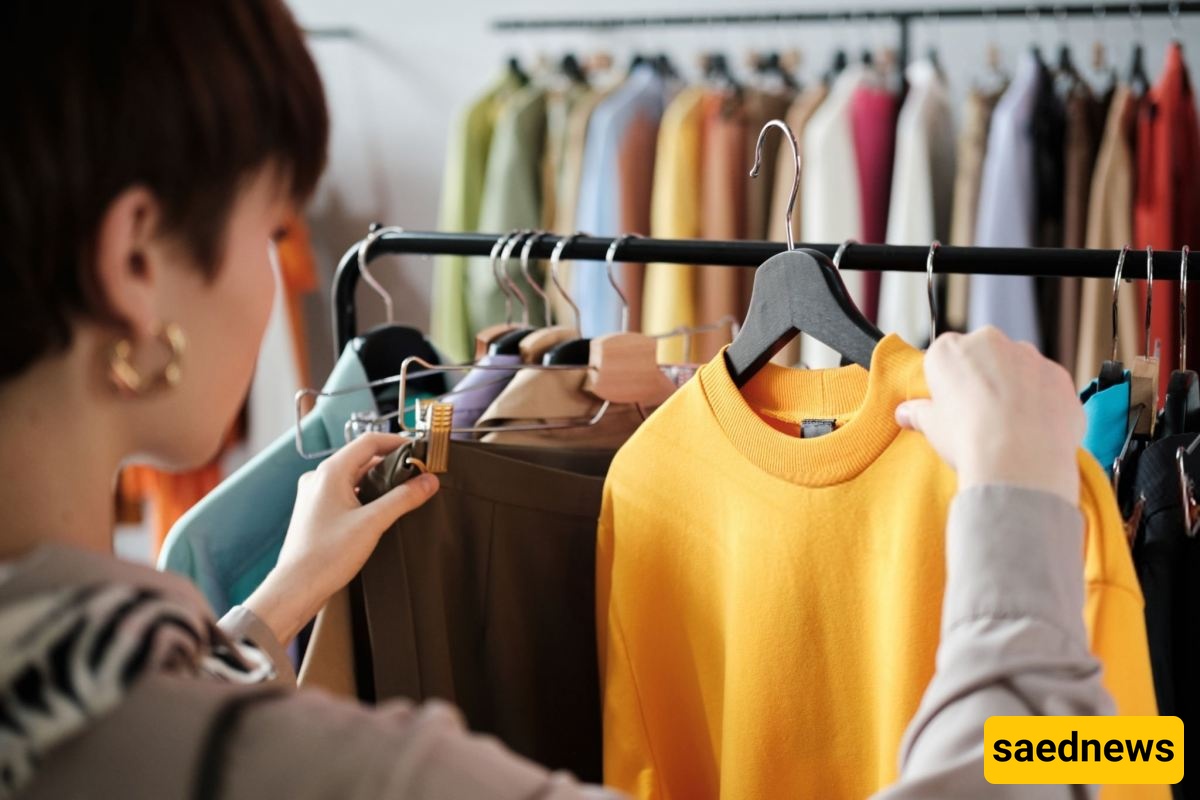
A simple outfit—such as jeans and a T-shirt—can look remarkably polished with the right accessories.
A classic watch, a well-made leather belt, or an elegant bag can completely transform an otherwise basic combination.
Your accessories should also reflect your personal style.
Someone with a minimalist style may prefer a small number of subtle accessories, while someone drawn to a bohemian aesthetic might enjoy colorful, natural-looking jewelry and layered pieces.
No outfit can truly look its best if you do not feel comfortable wearing it.
Regardless of how well the pieces match or how closely the look follows current trends, discomfort can undermine your confidence.
Personal style develops when you wear clothes that feel right for both your body and your personality.
When choosing clothing, therefore, consider more than appearance. Pay attention to fabric quality, freedom of movement, weather conditions, and the social setting in which you will be wearing the outfit.
Ultimately, the best outfit is one that allows you to feel like your most authentic self.

In simple terms, an outfit and personal style are two sides of the same coin—but style is what gives the combination its deeper meaning.
An outfit is the collection of clothes you are wearing at a particular moment. Style is the personal identity and perspective you bring to those clothes.
An outfit answers the question:
“What should I wear today?”
Style answers the deeper question:
“Who am I?”
An outfit may change with the occasion, season, weather, or mood. Personal style, however, creates a sense of continuity across all those different looks.
You may have one outfit for home, another for work, and another for a special event. Each can follow the principles of color coordination, proportion, balance, and silhouette to become a successful outfit.
But these individual looks begin to feel like a true reflection of your personality when they are connected by the invisible thread of personal style.
That thread is made up of your taste, creativity, preferences, confidence, and personality—all of which influence the clothing choices you make.
So, if you do not want to get lost in the constantly changing world of fashion, stop focusing only on recreating the outfits of celebrities and influencers.
Instead, look inward and ask yourself:
Which colors make me feel my best?
Which silhouettes make me feel comfortable?
What do I genuinely enjoy seeing when I look in the mirror?
The answers to these questions form the foundation of your personal style.
From there, bring those personal elements into each outfit and combine them with your own creativity. That is how individual outfits gradually become something more meaningful: a visual expression of who you are.