SAEDNEWS: If you travel to Isfahan, be sure to enjoy the delicious traditional sweets of this beautiful city.
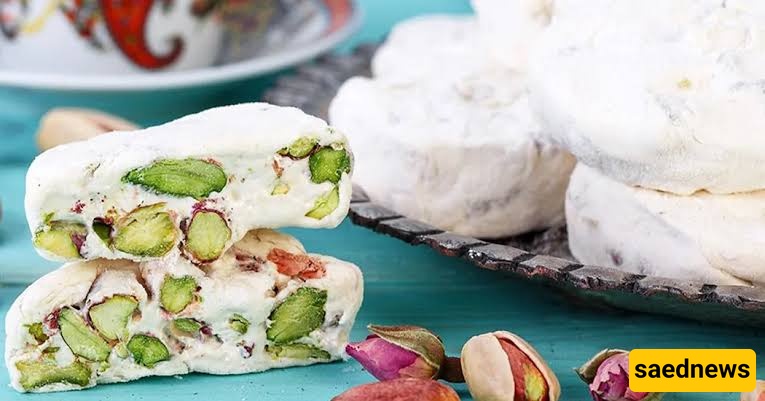
According to Saednews, Traditional sweets of Isfahan are among the most important souvenirs of the city and have countless fans not only in Isfahan but across Iran. If you travel to the “Half of the World” (Isfahan), you should definitely try its famous sweets.
Undoubtedly, Gaz is one of the most famous sweets of Isfahan. It is usually found in two main forms: bite-sized (loqmehi) and flour-coated (ardī). In the flour-coated type, pieces of gaz are stored between layers of flour, which helps keep them fresh.
The amount of pistachios and almonds used in gaz varies, and this directly affects its price and quality. Generally, pistachio-rich versions are more popular.
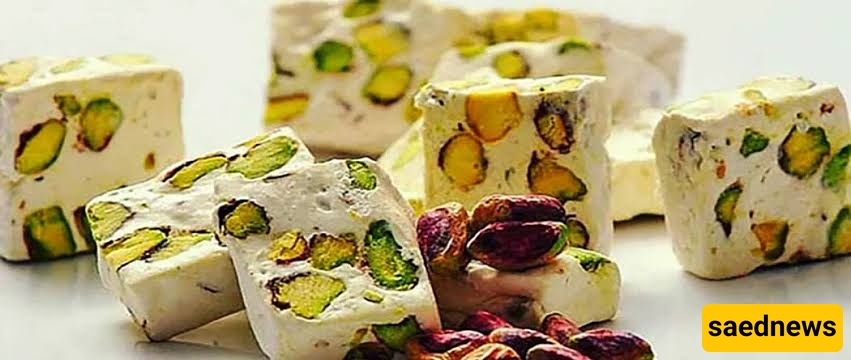
First, egg whites are separated and whisked until stiff. Then water and sugar are heated in a pot and stirred until it becomes syrup. Next, glucose or a type of syrup is added to create a stretchy texture.
The prepared syrup is mixed with rosewater and egg whites and continuously stirred while being heated. Pistachios are added at this stage. Finally, the mixture is removed from heat, shaped, and left to cool.
Poolaki is another popular Isfahan sweet with great fame among Iranians. Wherever tea is served in the city, Poolaki is usually found alongside it.
It is now produced in various flavors, and its preparation is simple enough that it can even be made at home.
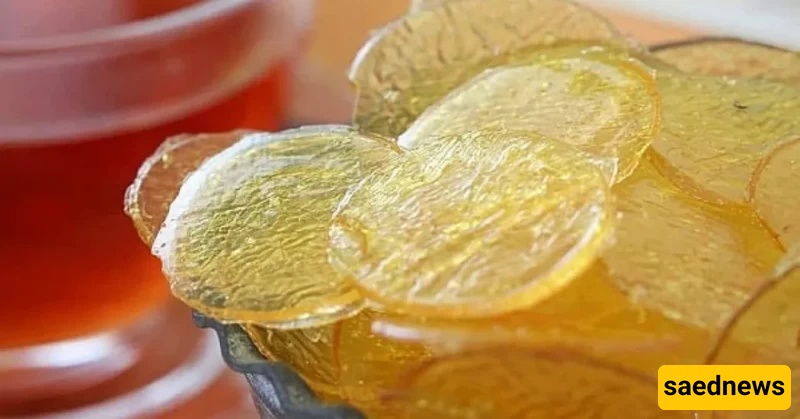
Saffron is crushed and mixed with hot water, then left to infuse. Sugar and vinegar are added to the saffron mixture. The pot is gently shaken and heated for about 15 minutes over low heat until it thickens.
At this stage, desired flavors such as pistachio, sesame, coconut, seeds, or ginger are added. Once the mixture turns caramel-colored, the heat is turned off. The hot mixture is poured over ice, where it quickly hardens into thin, crisp candy.
Fereni is a popular light dessert in Isfahan and is widely available in local sweet shops. It is often served with date syrup or grape molasses, making it especially delicious.
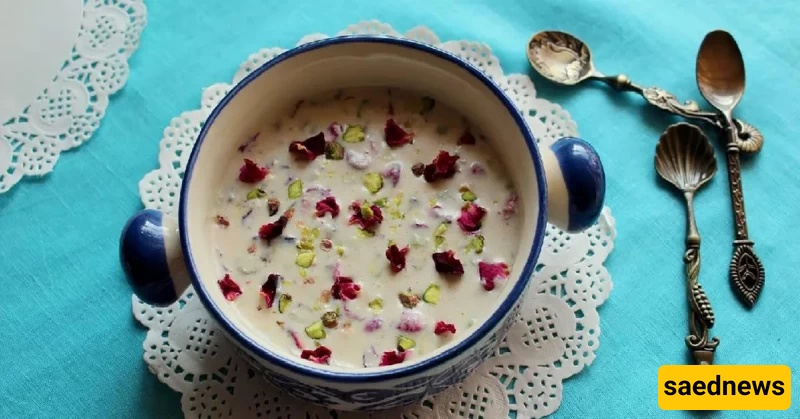
Milk is mixed with flour and stirred well in a pot until smooth, then heated until it begins to boil. Cornstarch mixed with water is then added, and the mixture is continuously stirred until it thickens.
The dessert is poured into a dish and chilled in the refrigerator. When serving, it is typically topped with grape or date syrup.
Korki (Karki) is a traditional Isfahan sweet commonly prepared during ancient celebrations such as Yalda Night, Chaharshanbe Suri, and Nowruz.
Rice flour, almond powder, cocoa powder, white flour, solid oil, pistachio powder, saffron, and vanilla.
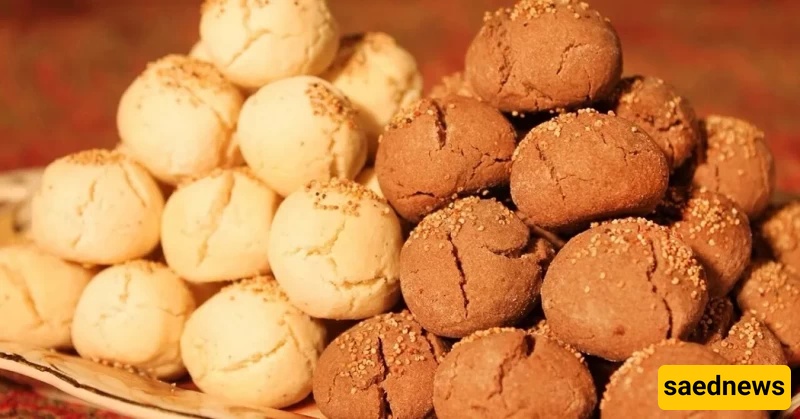
Oil is first mixed with powdered sugar until smooth. Vanilla is added and mixed further. The dry ingredients are then added and blended.
The dough can be flavored as cocoa or saffron-based. The mixture is piped onto a tray and baked at 200°C for about 15 minutes.
Bereshtok is a highly popular sweet in Isfahan, commonly found at celebrations across Iran. It is made from wheat flour, chickpea flour, solid oil, cardamom powder, and cocoa powder.
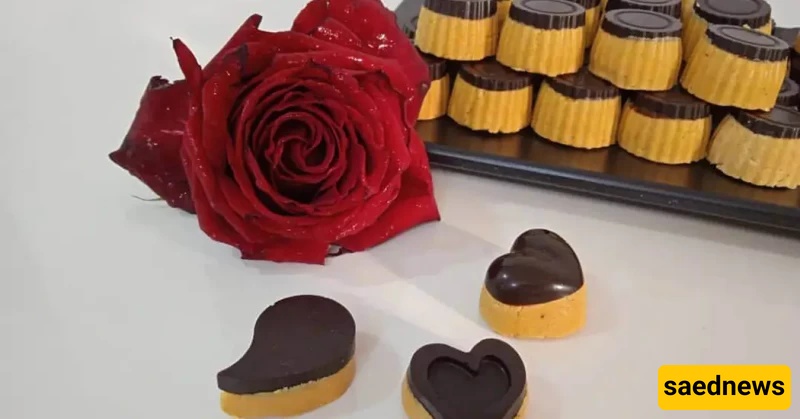
Wheat flour is mixed with sugar and sifted, then roasted to remove its raw taste. Chickpea flour is added and roasted as well.
In a separate pan, oil is heated and combined with the prepared mixture. Cocoa powder and cardamom are added. Sometimes cream is added for a softer texture. The dough is then spread, filled with chocolate, chilled, cut into pieces, and decorated with pistachios.