SAEDNEWS: China’s Global Times argues that the withdrawal of the USS George Washington from the Pacific following the USS Abraham Lincoln crisis signals the end of an era of “unchallenged” US dominance. The report points to mounting personnel, logistical, technological and industrial pressures facing the US military.
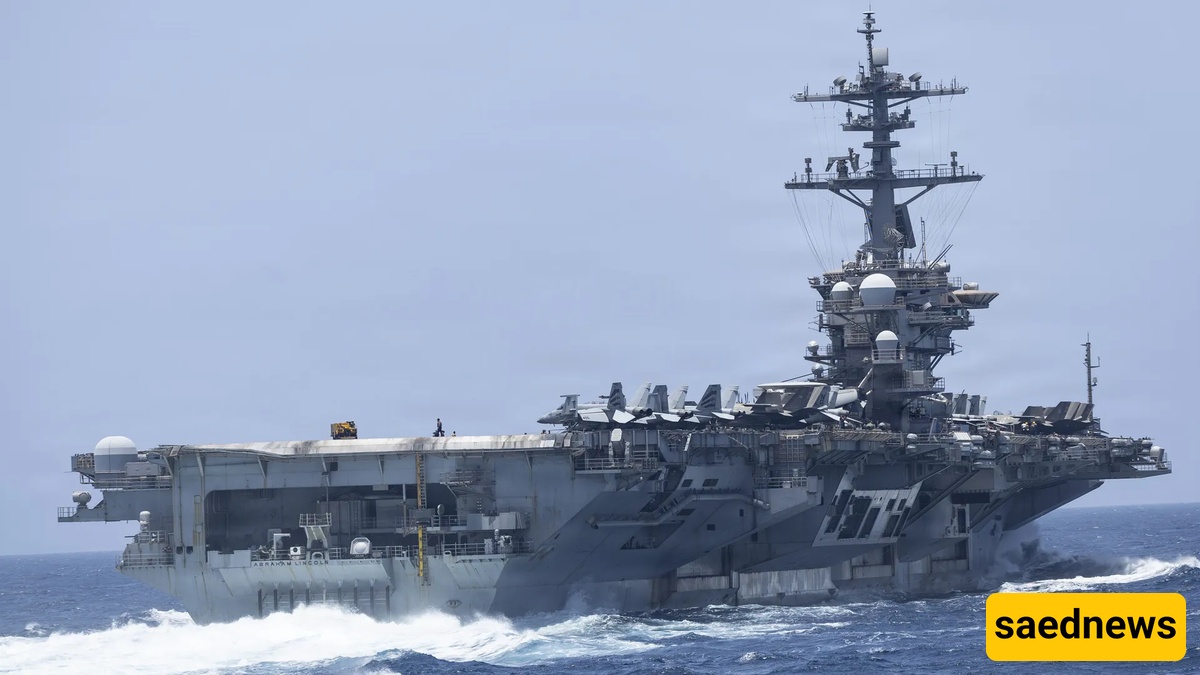
According to SaedNews: China’s Global Times has argued in an analytical report that the departure of the USS George Washington from the Pacific following the crisis involving the USS Abraham Lincoln signals the formal end of an era of “unchallenged” US superiority in international affairs.
The report highlights seven main developments:
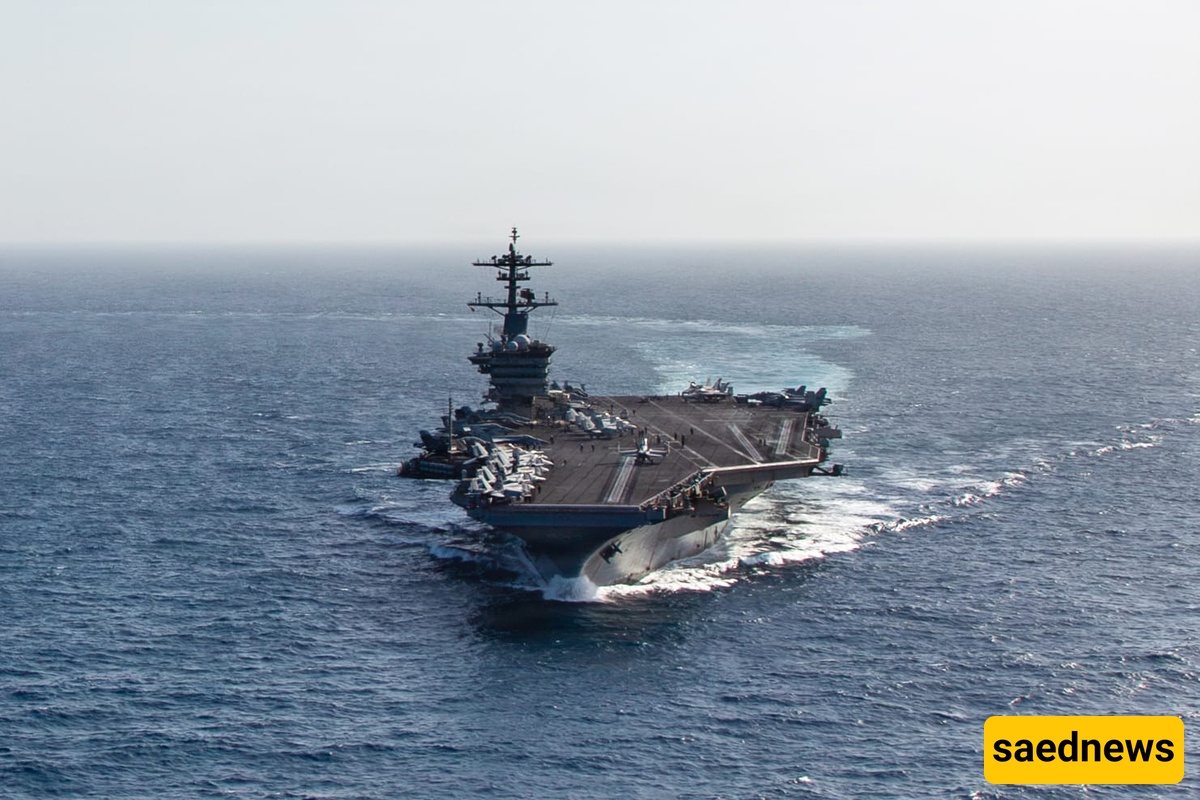
1. East Asia without US carriers: With the last active carrier deployed to the Persian Gulf, the western Pacific has effectively become a region without a US aircraft carrier. Global Times says Washington’s need to choose between two oceans exposes the weakness of maintaining parallel strategies and sustaining a presence on several fronts at once.
2. Severe personnel strain: The Abraham Lincoln reportedly broke the record for continuous deployment, spending 250 uninterrupted days in combat with Iran. The prolonged mission has been accompanied by exhaustion, declining morale and multiple psychological incidents among personnel, which the report portrays as a critical strain on US manpower.
3. Logistics breakdown: The report says combat with Iran has severely disrupted supply facilities. Personnel have reportedly faced a lack of hot water, damaged sanitation systems and serious shortages of basic supplies.
4. Technological and maintenance problems: Of the 11 US carriers, only two or three are described as operational, while the rest remain tied up in lengthy maintenance cycles. Even advanced systems aboard the Gerald Ford have reportedly been sidelined because of repeated failures, forcing a return to older systems.
5. Limits on security commitments: The withdrawal has shown allies such as Japan and the Philippines that US capabilities and security commitments are limited, according to the report.
6. Industrial capacity lagging behind military goals: Global Times argues that victory depends not simply on the number of carriers but on industrial capacity and repair speed. Washington, it says, has discovered that its industrial base cannot match its military ambitions, while rivals have learned to impose heavy costs using cheaper means.
7. Conclusion: The report describes the absence of US carriers in East Asia as a bill Washington is paying for its ambitions, warning that continued attritional warfare with Iran could push the US military and support structure toward gradual and irreversible decline.