SAEDNEWS: The commander of U.S. Central Command has arrived in Tel Aviv, according to Hebrew-language reports, with meetings expected with Israel’s military leadership and other senior officials.
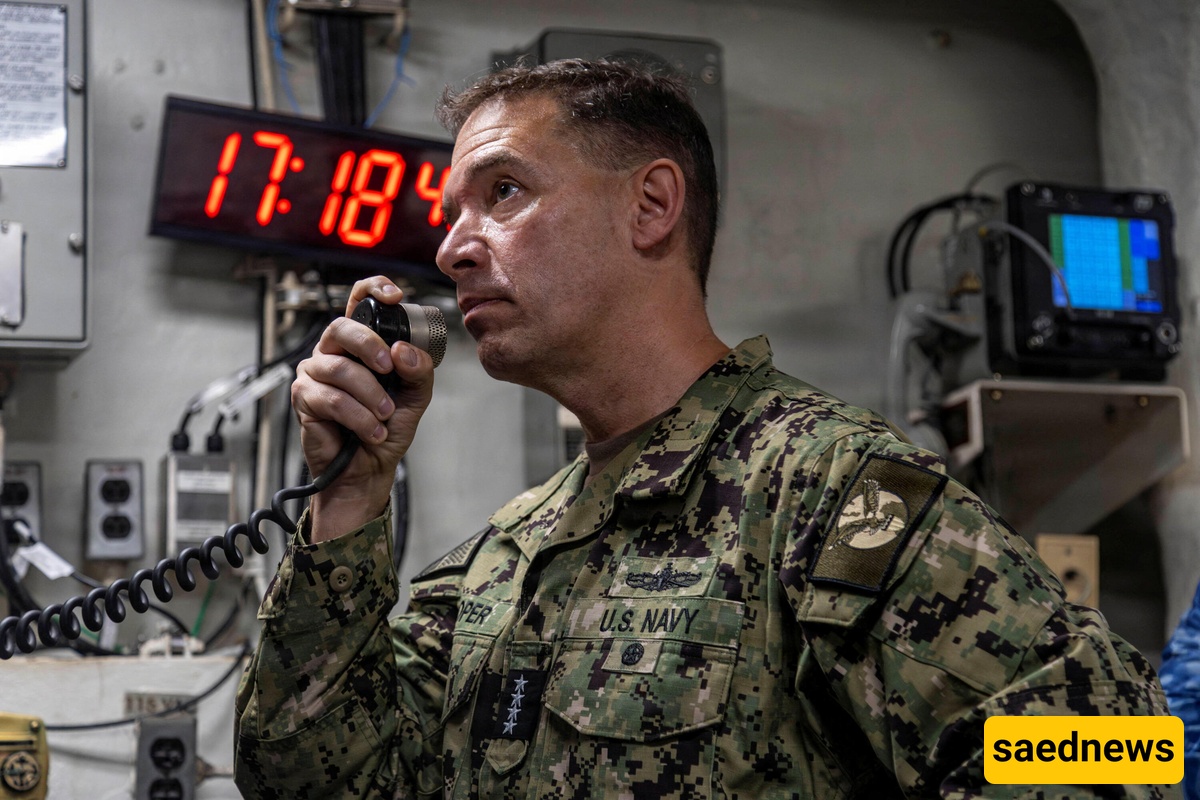
According to SaedNews: The commander of U.S. Central Command has arrived in Tel Aviv, according to Israeli media reports, in a high-level visit expected to include meetings with senior Israeli military officials.
The arrival was reported by Hebrew-language outlets, which identified the visitor as the head of CENTCOM, the U.S. military command responsible for a broad region that includes the Middle East. The reports did not provide further details about the purpose or agenda of the visit beyond the planned meetings.
The visit immediately places attention on the military-level contacts expected to take place in Tel Aviv. According to the reports, the CENTCOM commander is scheduled to meet with the chief of staff of the Israeli military as well as other senior commanders and officials.
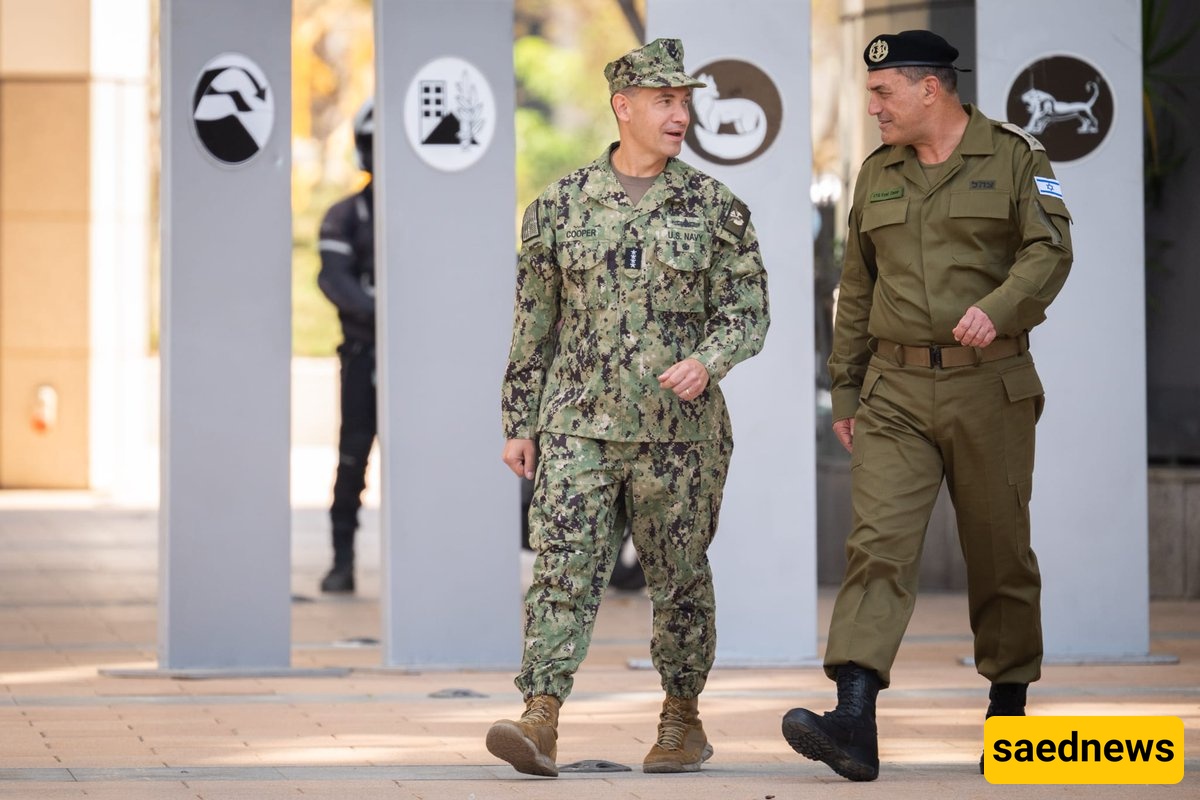
Such meetings bring together the leadership of the U.S. military command responsible for the Middle East and the senior leadership of Israel’s armed forces. While the available reports do not specify what subjects will be discussed, the meetings are expected to focus on issues of military and regional significance.
The fact that the visit is being reported primarily through Israeli media also means that details remain limited at this stage. No specific decisions, agreements or operational developments were cited in the reports provided.
For now, the clearest confirmed element is the arrival itself: the CENTCOM commander is in Tel Aviv and is expected to hold talks with Israel’s top military leadership.
The identity of the officials involved makes the visit notable. Meetings between senior American and Israeli military figures provide an opportunity for direct communication at a high level, particularly when regional security matters require close coordination between military establishments.
However, the reports should not be read as confirmation of any particular military operation or policy decision. There is currently no information in the source material indicating that the visit itself represents the announcement of a new operation, agreement or change in military policy.
Instead, the immediate significance lies in the level of the officials involved and the direct contact between the U.S. Central Command leadership and Israel’s military command.
The Israeli reports say the CENTCOM chief will meet with the Israeli military chief of staff and other senior figures. Those meetings could provide an important setting for discussions on matters of mutual concern, although the specific subjects have not been disclosed.
The visit also comes at a time when developments involving the Middle East continue to attract intense international attention. That broader context makes high-level military contacts particularly significant to observers, even when the details of the discussions remain undisclosed.
For the moment, however, caution is essential. The available information establishes the visit and the expected meetings, but it does not establish what decisions may emerge from them.
As the CENTCOM commander meets Israeli military leaders in Tel Aviv, further details about the agenda and outcome of the talks could determine how significant the visit ultimately proves to be. Until additional information is released, the arrival itself remains the central development—and one that is likely to keep attention focused on the conversations taking place behind closed doors.