Saed News: Threading is one of the most common methods of facial hair removal, but for many people—especially those with sensitive skin—it can cause side effects such as redness, irritation, and pimples.
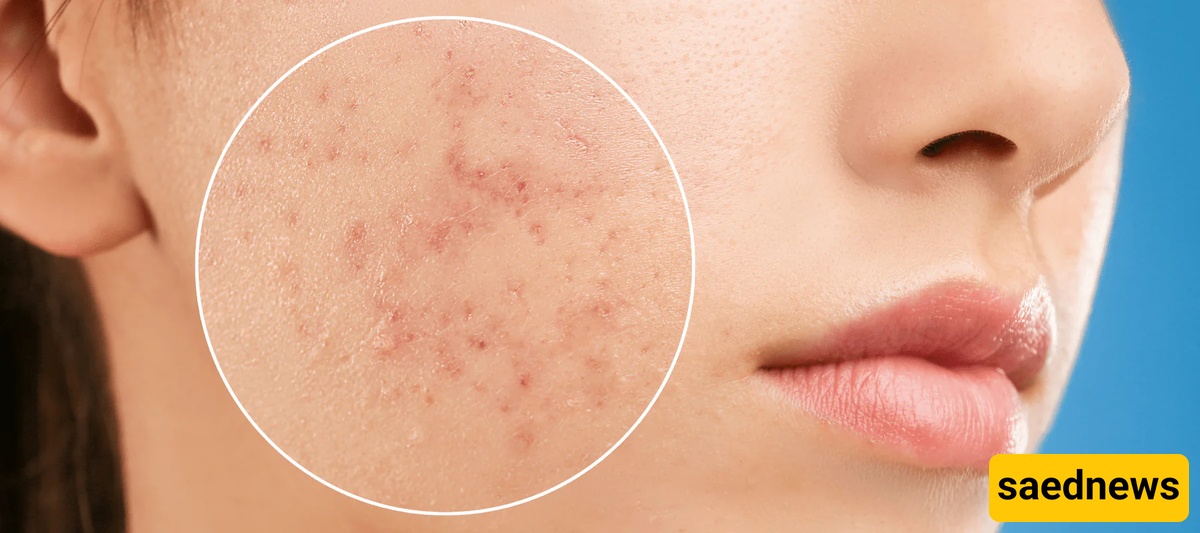
According to SAEDNEWS, if post-threading skincare is neglected, these problems can become more severe and affect the appearance of the skin. Fortunately, a few simple and accessible measures can significantly reduce the likelihood of breakouts after threading. From keeping the skin clean to using soothing natural ingredients, all of these practices help maintain healthy skin.
One of the main causes of pimples after threading is the presence of dirt, oil, or makeup on the skin. When pores are already clogged, pulling hairs out with thread can increase irritation and create conditions for breakouts.
Before threading, wash your face with a gentle cleanser and make sure it is completely clean. If washing is not possible, a skin-friendly antiseptic solution may help. It is also best to avoid heavy creams or thick makeup on the day of threading.
One of the best ways to reduce inflammation after threading is to cool the skin. Heat keeps pores open and can worsen redness, while cold helps calm the skin.
Applying a cold compress or a few ice cubes can reduce redness and ease the burning sensation. Some people also use grated cucumber or natural cooling masks, which can be especially soothing for sensitive skin. Cooling the skin immediately after threading provides the greatest benefit.
Tea tree oil is one of the most well-known natural ingredients for acne-prone skin. It has antibacterial and anti-inflammatory properties that may help prevent clogged pores.
After threading, apply a small amount diluted with a carrier oil or another suitable base to reduce the risk of irritation. People with very sensitive skin should test it on a small area first. Proper use may help reduce redness and post-threading pimples.
Honey and aloe vera are two popular natural remedies for soothing the skin. Honey has anti-inflammatory and antiseptic properties that may support faster skin recovery. Aloe vera is known for its cooling and healing effects, helping to reduce irritation and provide comfort.
Applying fresh aloe vera gel or a honey mask for a few minutes after threading may help prevent breakouts and reduce redness. These are good options for people seeking gentle, natural skincare solutions.
After threading, the skin is at its most sensitive. Applying heavy makeup immediately afterward or exposing the skin to harsh chemicals can increase the likelihood of clogged pores and pimples.
It is best to let the skin rest for several hours. Washing the face with cool water, avoiding excessive heat, and using lightweight, oil-free skincare products can also help reduce inflammation. The more time the skin has to recover, the lower the chance of developing pimples.
Preventing pimples after threading depends less on expensive products and more on following a few simple habits. Keeping the skin clean, cooling it after treatment, using soothing natural ingredients, and avoiding immediate makeup are among the most important skincare measures. If you have sensitive skin, consistently following these tips can help you enjoy a cleaner threading experience and healthier skin.