SAEDNEWS: A recent analysis suggests that Iran has transformed global oil prices into a strategic instrument in its confrontation with the United States, a move that reportedly caught Washington off guard.
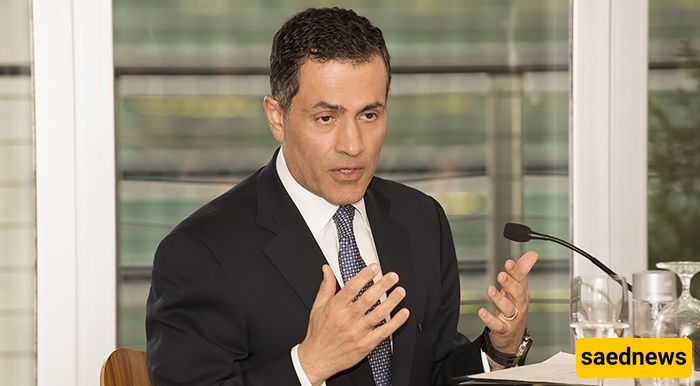
According to SAEDNEWS, Vali Reza Nasr, Dean of the School of Advanced International Studies (SAIS) at Johns Hopkins University in Washington, former senior adviser to Barack Obama, and an international affairs analyst, wrote on the social media platform X that Iran’s response to a U.S. proposal regarding oil sanctions surprised Washington.
According to Nasr, Iran reacted to a proposal from the United States suggesting that Washington could lift sanctions on Iranian oil exports. He argued that Iran has made oil prices a strategic asset in its wartime strategy.
Nasr stated that turning oil prices into a strategic lever has been at the core of Iran’s war strategy and that this approach surprised the United States and altered the course of the conflict.
He further emphasized that Tehran is not expected to abandon this strategy. Instead, Iran interprets the idea of lifting sanctions as a sign of desperation in Washington and is likely to continue exerting pressure on oil prices.
Meanwhile, U.S. Treasury Secretary Scott Bassant claimed that, amid what he described as ongoing joint U.S. and Israeli actions against Iran, Washington had issued a limited and short‑term authorization allowing the sale of Iranian oil stored on tankers at sea. According to him, the move was intended to stabilize the global energy market.
However, Saman Ghadousi, Director General of Public Relations and spokesperson for Iran’s Ministry of Oil, rejected the claim. Writing on X on Friday night, he stated that Iran currently has no crude oil floating at sea or surplus volumes available for sale in other international markets. He added that the remarks by the U.S. Treasury Secretary were aimed solely at reassuring buyers and psychologically influencing the market.
These developments come as tensions in the region escalate following attacks by the United States and Israel on Iran and Tehran’s retaliatory strikes against their bases. The confrontation has reportedly disrupted maritime routes leading to the Strait of Hormuz.
As a result of these disruptions, energy prices have increased in several countries, particularly across Asia. Some countries in South and East Asia have reportedly introduced remote work policies for employees and temporarily closed educational institutions in an effort to prevent an energy crisis.