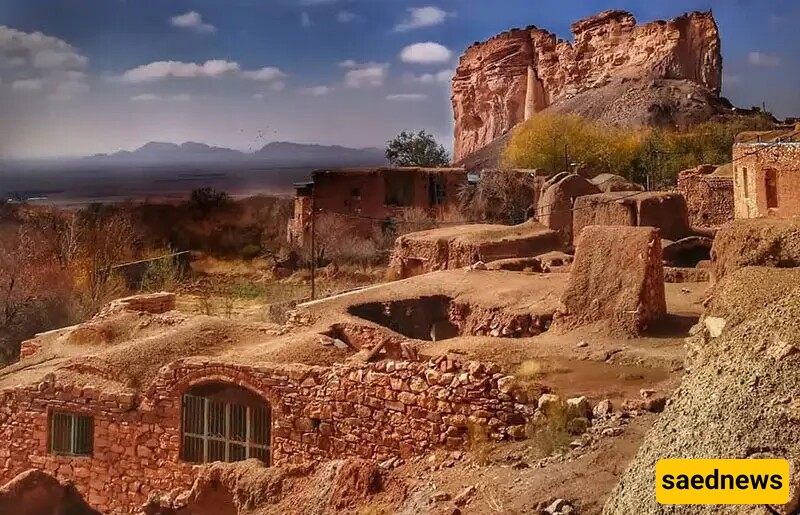
SAEDNEWS: Shawaz village, one of Yazd province’s historical gems, boasts a history stretching back thousands of years and fascinates both tourists and archaeologists.
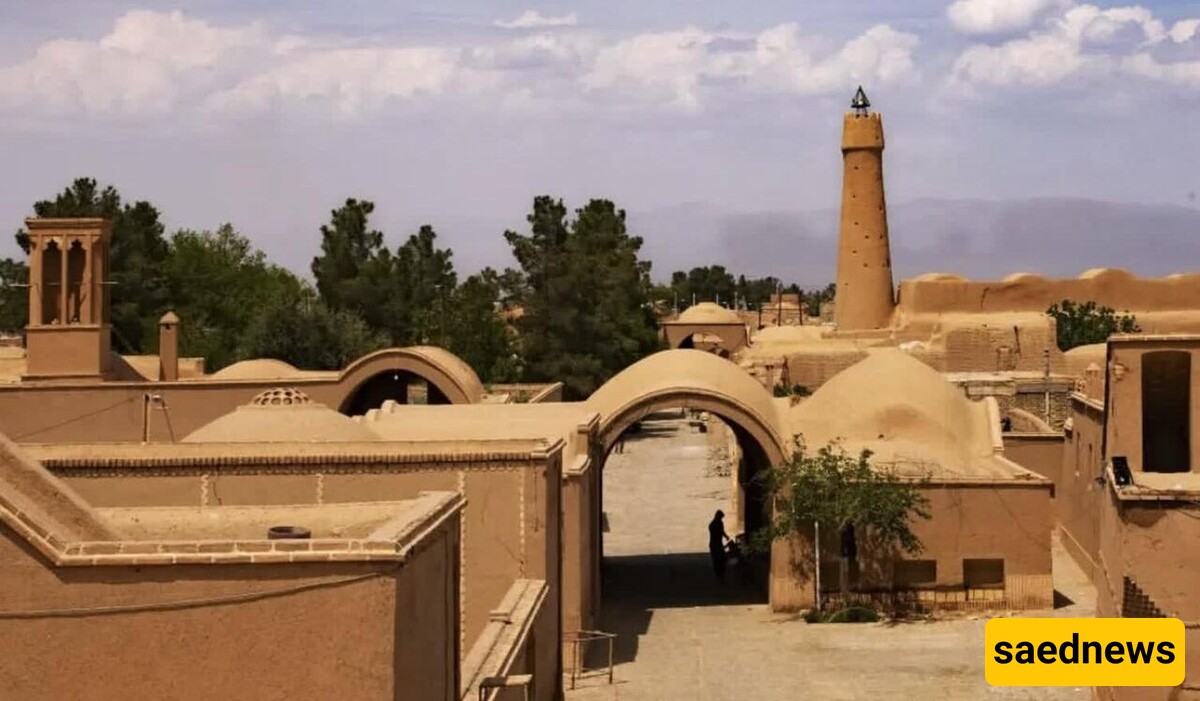
According to SAEDNEWS: quoted from Hamshahri, during the holiday season, one of the cities that welcomes many travelers is Yazd. However, it should be known that within the historical city of Yazd, there are villages that are pristine and beautiful, making them a suitable destination for tourism during the holiday period. One such village is Shawaz, located in the southeast of Yazd province, gradually distancing itself from the Shirkoh Mountains. This village is surrounded by a peaceful and untouched natural landscape, with a mountain behind it and a vast plain in front of it. To learn more about Shawaz, one of Yazd's beautiful and ancient attractions, join us in this section.
History and Antiquity of Shawaz Village Shawaz is one of the ancient villages with a history dating back to distant times. The history of this village can be traced through its ancient cemeteries, such as the Shawaz and Shawaz Kohneh cemeteries, as well as its large and sturdy castle. These features clearly demonstrate the antiquity and historical depth of the region. Additionally, there are several petroglyphs that, when compared to the petroglyphs from the Ernan Mountain area (dating back to 7 to 12 thousand years ago), show many similarities. However, archaeological research has not yet been able to thoroughly examine these findings.

Geographical Location of Shawaz Village The geographical location and topography of Shawaz village bear significant similarities to the village of Turan-Pasht in Nair. This village holds great power, having captured a large area of the Taqestan plain, and it leaves an iconic impression on people's minds with its mythical quality. This characteristic has enabled the village to withstand threats from enemies and invaders, often from the direction of the Fars region and the plain, who would threaten the village. This ability has helped the village gain fame and keep it distanced from larger cities and centers.
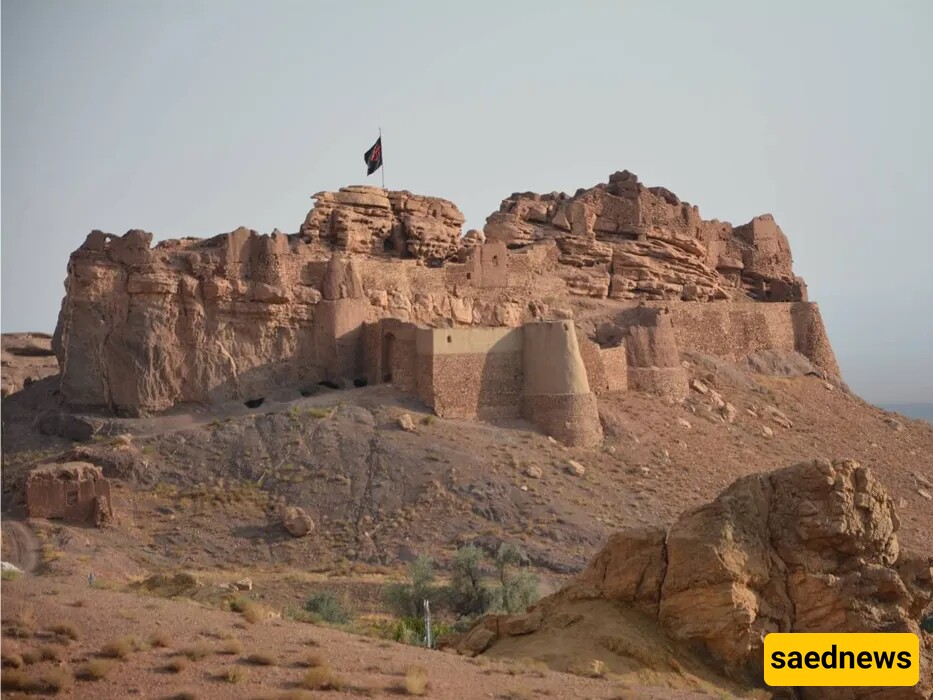
Shawaz Castle with Unique Features Shawaz Castle, a powerful symbol, in addition to its strategic location in the village, has a tall castle in front of the village that has doubled the village’s defensive capability.
One of the most important mountain castles in Yazd province, Shawaz Castle is structurally tall, strong, and impressive. It is built on a solid rock approximately 100 meters high and made of hard sedimentary stone. It is protected on all sides by cliffs and steep embankments. This castle was used for human habitation in ancient times, and its approximate area is estimated at 5,000 square meters.
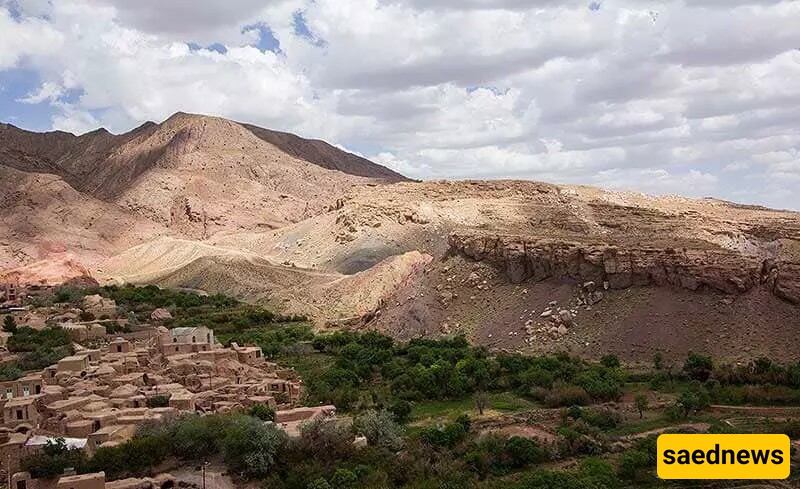
The main walls of the castle are made of stone on the outside and mud bricks on the inside. The arches and ceilings of the rooms are also made of mud bricks, with some of the vaults using bricks. The entrance gate is made of brick. On the east side of the castle, there is a tall, brick staircase that was used for drainage.
The stone used in the castle is of sedimentary type, and the round base of the castle is also made of stone. After repairs conducted by the Cultural Heritage Organization, the main entrance was moved inside the castle, and a wooden door was installed. One of the rooms’ ceilings is covered with wooden beams made of wild olive wood.
The castle has towers built for monitoring and protection, some of which are made using ironstone and mud bricks. However, the remarkable feature of these towers is their construction method. After the towers were built with mud bricks, their outer surfaces were enhanced with stonework to increase their strength and resistance to external attacks.
The materials used in the construction of the castle include stone, mud brick, and clay. The mortar is made from clay, sometimes reinforced with crushed straw and gravel. The walls and partitions are also made of mud brick, with three distinct types of mud bricks recognizable in the structure.
Which Era Does Shawaz Castle Belong To? Shawaz Castle has adopted the Sassanid culture of tower building, and its architecture belongs to that era. One of the notable features of the castle is the existence of arches dating back to pre-Islamic times. Some of these arches include circular Parthian, Sassanid, and post-Islamic pointed arches, similar to those found at the fire temple of Azargashab.
In fact, Shawaz Castle is the most important mountain castle located in Yazd. This castle is strong, large, and offers an optimistic view. Additionally, on one of the stone walls inside the castle, an inscription from the 6th century has been discovered, which has not been referenced in any source before.
This inscription, written in poorly executed and disorganized script, is found in a public location inside the castle.
According to research on Islamic inscriptions in the province, no inscriptions from the 6th century have been found in typical structures like castles, mosques, or schools. All of the 6th-century inscriptions examined relate to gravestones or prayer niche stones found in Shawaz cemetery. However, the inscription discovered inside the castle is unique and important for determining the castle's history.
It seems that Sassanid-era towers were built with stone cladding for increased fortification and defensive power. Shawaz Castle was also constructed using Sassanid architectural methods. Additionally, several pieces of gray pottery discovered inside the castle, some with engraved decorations, likely date from the historical period. The presence of several shops carved into the stone within the castle is a masterpiece of the ancient and historic nature of Shawaz.
Shawaz Cemetery Shawaz Cemetery, located in Yazd, is one of the unique cemeteries. In this cemetery, large and wide stone slabs are placed over and below the graves, raising about half a meter above the ground, with no inscriptions on them. The overall appearance of the cemetery, the arrangement and color of the stones, and their dark hue indicate its age. This section of the cemetery, older than the graves with historical stones from the 6th to 8th century, features gravestones with irregular Naskh script inscriptions in natural black color. Additionally, several marble gravestones from the 10th and 11th centuries have been found.