SAEDNEWS: Why Every Parent Should Know Whether a Humidifier Is Necessary in a Baby’s Room
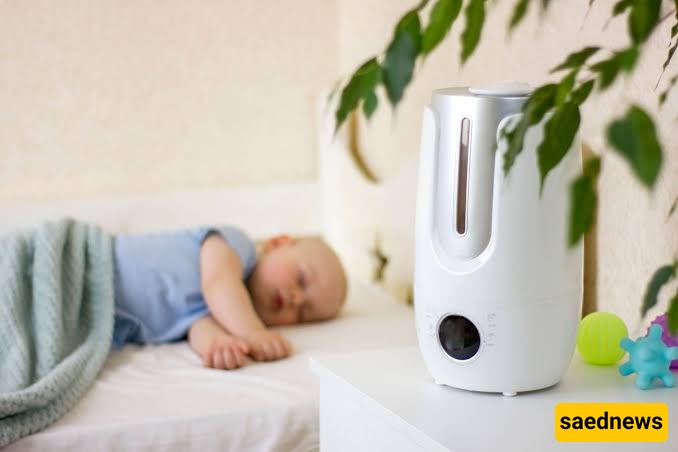
According to Saednews, Choosing the right equipment for a baby’s room—from the crib and mattress to room temperature and air quality—is an ongoing concern for parents. One common question is: “Should we have a humidifier in the baby’s room?” The short answer is that it is not always necessary. However, when the air in a baby’s room is excessively dry, using a humidifier correctly can be beneficial.
On the other hand, improper use, inadequate cleaning, or choosing the wrong type of humidifier can put a child’s health at risk. This article explores when a humidifier is needed, its potential benefits, possible risks, and essential safety precautions for parents.
Before buying a humidifier, it is important to understand the recommended humidity level for a baby’s room. In general, relative humidity of around 30% to 50% is recommended.
Humidity below 30% can make the air dry and irritate the lining of the nose and throat. Conversely, humidity above 50% can encourage the growth of mold, fungi, and dust mites, potentially worsening respiratory problems.
Therefore, higher humidity is not necessarily better.
The best way to determine whether a humidifier is needed is to measure the room’s humidity using a hygrometer. If the humidity is already between 30% and 50%, a humidifier is usually unnecessary.
If humidity falls below 30% and your child experiences symptoms such as dry skin, nasal dryness, or throat irritation, you may consider using a humidifier after consulting a healthcare professional and following appropriate safety guidelines.
A humidifier is most useful when the air in the room is genuinely dry. During winter, heating systems can reduce indoor humidity. In these circumstances, a humidifier can help maintain a more comfortable moisture level.
Some parents also use humidifiers when their children experience dry skin, mild nasal congestion, or irritation of the respiratory tract.
For certain medical conditions, such as some cases of cough associated with viral infections or specific respiratory problems, a healthcare professional may recommend cool-mist humidification as a supportive measure.
However, a humidifier is not a substitute for medical treatment. It should not be relied upon to manage serious symptoms such as difficulty breathing, wheezing, a high fever, or unusual restlessness.
If your child has respiratory symptoms, consulting a healthcare professional should be the first step.
When used properly and kept clean, a humidifier may offer several benefits.
First, increasing indoor humidity can help relieve dryness in the nose and throat, making the environment more comfortable.
Second, dry air can contribute to skin dryness. Maintaining an appropriate humidity level may help prevent the skin from becoming excessively dry.
Third, cool-mist humidification may help reduce irritation caused by dry air in some circumstances.
These benefits depend on proper hygiene, appropriate humidity control, and choosing a suitable device. If a humidifier is not cleaned regularly or raises humidity too high, it can become a source of microorganisms, mold, and other irritants.
For this reason, the benefits of humidifiers should not be considered guaranteed in every situation.

Humidifiers, particularly those used in a baby’s room, must be selected and operated carefully.
Warm-mist humidifiers and devices that release hot steam are generally not recommended for children’s rooms because boiling water and hot steam can cause serious burns.
If you use a cool-mist humidifier, place it on a stable surface, out of your child’s reach and away from the edge of the crib, bed, or table. Keep the power cord away from the child’s sleeping area and anywhere the child might trip over it.
Cleaning is essential. Empty and clean the water tank regularly according to the manufacturer’s instructions. Stagnant water can allow bacteria and fungi to grow.
Using distilled or purified water can help reduce mineral deposits and the formation of “white dust,” particularly with ultrasonic humidifiers.
Never add essential oils, medicines, salt, fragrances, or other additives to the water unless the device’s manufacturer and your healthcare professional explicitly indicate that a particular product is appropriate. These substances can irritate a child’s respiratory tract.
If condensation frequently forms on windows or walls appear damp, the humidity may be too high. Reduce the humidifier’s output or switch it off.
Excessive moisture can promote mold and fungal growth, potentially harming your child’s health.
Do not place the humidifier inside the crib or directly beside your baby’s face. Keep it at a safe distance so that mist does not blow directly onto the child.
For a baby’s room, cool-mist humidifiers are generally the safer choice because they do not present the same hot-water and steam burn risks as warm-mist devices.
There are two common types of cool-mist humidifiers:
Evaporative humidifiers: These use a fan to move air through a wet wick or filter. They generally release fewer mineral particles into the air but require regular filter replacement and cleaning.
Ultrasonic humidifiers: These use high-frequency vibrations to produce a fine mist. When filled with tap water, they may disperse minerals that settle as white dust. Distilled water can help reduce this problem.
Warm-mist or steam humidifiers require particular caution and are generally best avoided in children’s rooms, especially when a child can walk, climb, or reach the device.
If such a device is used, it must be placed well out of the child’s reach on a stable surface. The choice of humidifier should take into account the child’s age, room conditions, and the manufacturer’s instructions.
When buying a humidifier for a baby’s room, consider the following features:
Water tank capacity: Choose a capacity suitable for the size of the room.
Noise level: A quieter device may be more suitable for a sleeping area.
Humidity control: Adjustable settings or a built-in humidistat can help prevent excessive moisture.
Ease of cleaning: A device with an accessible tank and washable components is easier to maintain.
Safety features: Automatic shutoff when the water runs out can be useful.
Room size also matters. A humidifier with excessive output for a small room may raise humidity beyond the recommended range.
For routine maintenance:
Replace the tank water daily.
Clean the tank and washable components as directed by the manufacturer.
Replace filters according to the recommended schedule.
Position the device where air can circulate freely, avoiding direct mist toward your child or the walls.
Use a hygrometer to monitor humidity regularly.
If the humidity in your child’s room is only slightly below the recommended range, a humidifier may not be necessary.
Consider these alternatives:
Maintain comfortable room temperatures.
Avoid overheating the room.
Provide gentle ventilation when appropriate.
Dress your child in clothing suitable for the season.
Monitor indoor humidity and adjust the environment as needed.
Placing a container of water in the room or using a damp towel may increase humidity slightly, but these methods are not reliable substitutes for measuring humidity. Avoid any method that creates hot steam or excessive moisture.
Do not rely on a humidifier instead of medical care if your child experiences:
Difficulty breathing or wheezing.
Fever accompanied by concerning symptoms.
Unusual lethargy or reduced feeding.
A severe or persistent cough.
Ongoing respiratory symptoms.
If your child has asthma or respiratory allergies, consult a healthcare professional before using a humidifier.
Extra caution is necessary for very young infants. Environmental changes and any measures intended to relieve symptoms should preferably be discussed with a qualified healthcare professional.
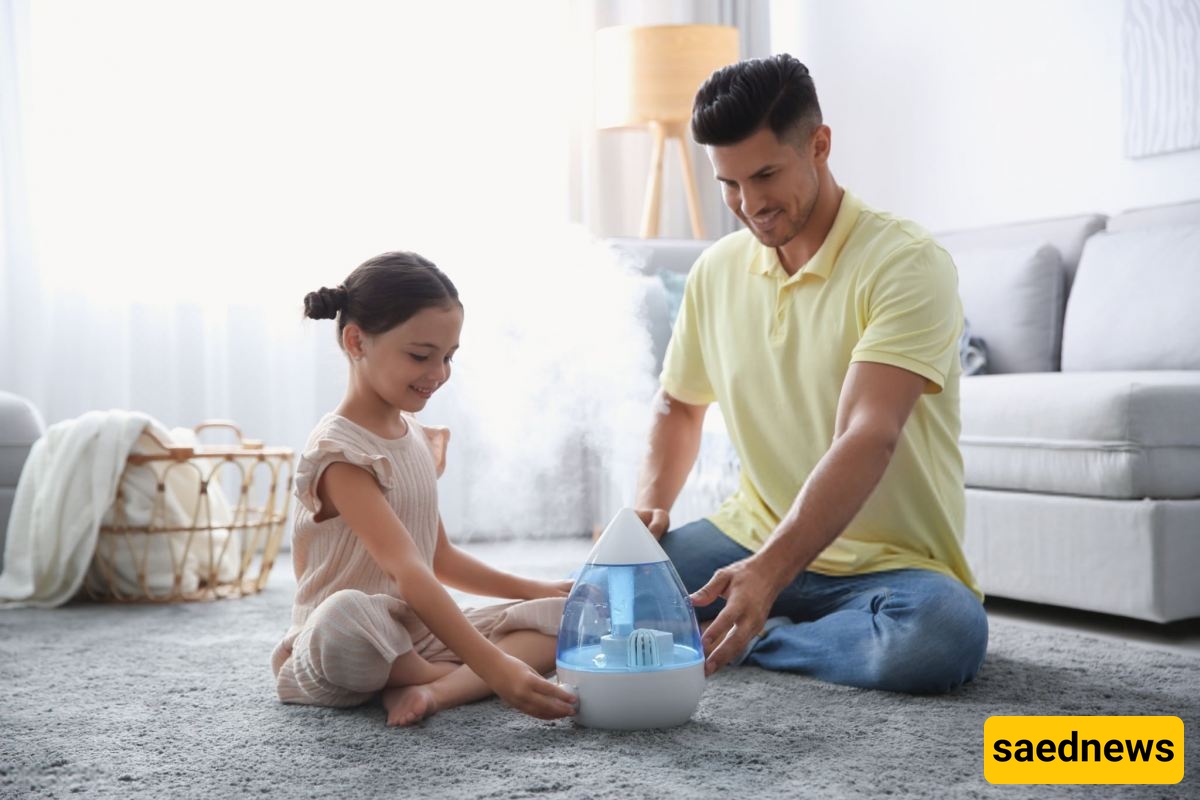
A humidifier is not an essential item for every baby’s room. Its usefulness depends on the room’s humidity level and the child’s individual needs.
When indoor humidity is too low, a properly maintained cool-mist humidifier may help improve comfort. Keeping humidity between 30% and 50%, cleaning the device regularly, using suitable water, and following safety instructions are all important.
In contrast, warm steam, poor cleaning practices, adding essential oils or medicines, and allowing humidity to rise excessively can create unnecessary risks.
The best approach is to measure the room’s humidity before purchasing a humidifier, use one only when needed, and seek medical advice if your child has respiratory symptoms or an underlying medical condition.
Ultimately, a clean environment, appropriate ventilation, comfortable temperatures, and informed parental care are more important than any single piece of nursery equipment.
Measure the room’s humidity with a hygrometer and aim for approximately 30%–50%.
Place the humidifier on a stable surface, well out of your child’s reach.
Avoid warm-mist humidifiers in children’s rooms.
Clean the water tank regularly and consider using distilled water.
Never add essential oils, medicines, or fragrances to the water.
Turn the device down or off if condensation or dampness develops.
Seek medical care for serious or persistent respiratory symptoms.
Remember that a humidifier does not replace medical treatment.
This is incorrect. Excessive humidity can encourage mold, fungi, and dust mites, potentially aggravating respiratory symptoms. The recommended range is approximately 30%–50%.
Ordinary humidifiers are not designed to disinfect indoor air or eliminate airborne germs. Good ventilation, regular cleaning, and reducing pollution sources are important for maintaining indoor air quality.
This is not recommended. Essential oils, fragrances, and medicines may irritate a child’s respiratory tract and can cause adverse reactions. Use the device according to the manufacturer’s instructions and do not add substances to the water unless specifically approved.
Warm-mist devices pose a risk of burns from hot water and steam. Cool-mist humidifiers are generally the safer option when humidification is needed.
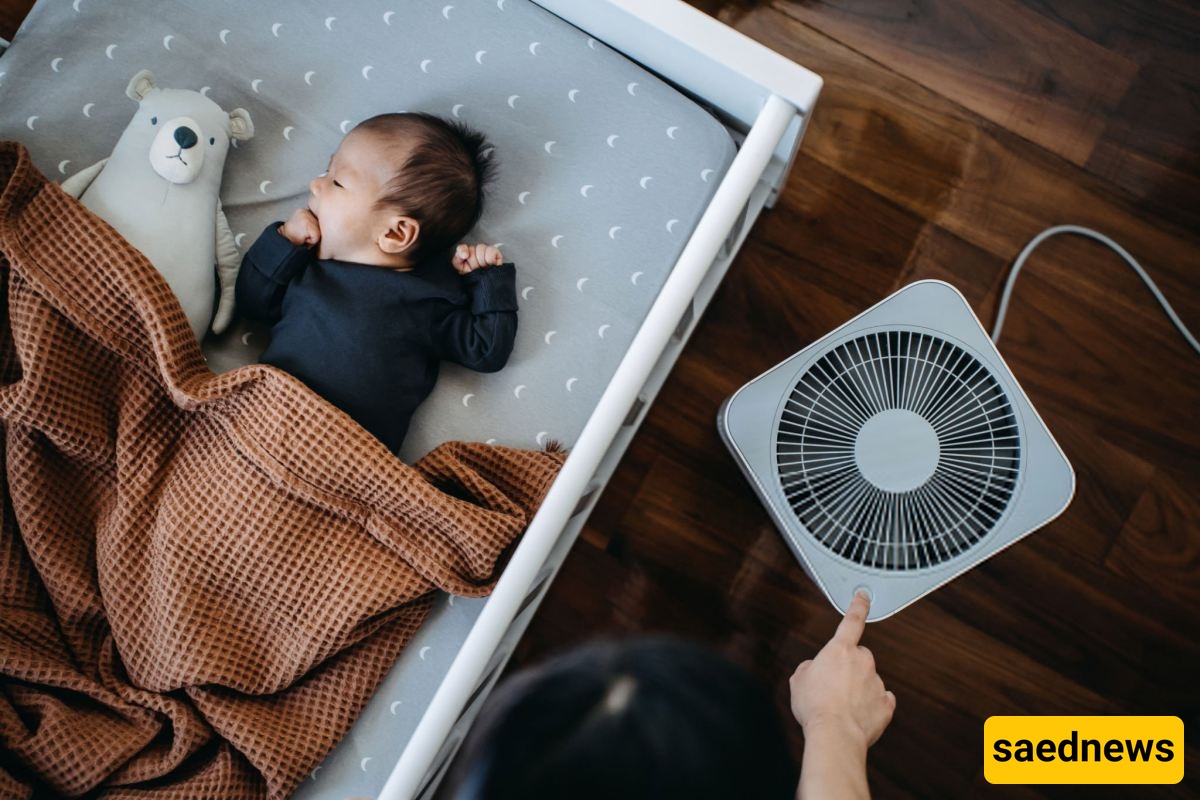
Placing the device too close to the baby: Mist should not blow directly onto the child. Keep the device out of reach and on a stable surface.
Neglecting tank cleaning: Stagnant water can encourage bacterial and fungal growth. Empty and clean the tank regularly.
Using tap water without considering the device type: Distilled or purified water can reduce mineral deposits and white dust, particularly with ultrasonic models.
Leaving the humidifier running without monitoring humidity: Excessive moisture can create problems. Check humidity regularly.
Using a humidifier as a substitute for treatment: Humidification is only a supportive environmental measure and should never replace appropriate medical care.
No. If the room’s humidity is within the recommended range and your child is comfortable, a humidifier is generally unnecessary. The decision should depend on indoor conditions and the child’s needs.
There is no single recommended duration for every room or device. Monitor humidity and operate the humidifier only as needed to maintain a comfortable level. Avoid running it continuously without checking the moisture level.
Cool-mist humidifiers avoid the hot-water burn risks associated with warm-mist devices. However, they must still be used carefully, with regular cleaning, appropriate placement, and humidity monitoring. For newborns, consult a healthcare professional if you are unsure whether humidification is necessary.
Yes, it may contribute to irritation if it is poorly maintained, increases humidity excessively, or is used with unsuitable additives. If your child develops new symptoms or existing symptoms worsen after use, turn the device off and consult a healthcare professional.
Turn it off or reduce its output if humidity rises above approximately 50%, excessive condensation appears on windows, walls become damp, or your child develops new respiratory symptoms. Investigate the cause before using it again.
A humidifier in a baby’s room is neither an absolute necessity nor inherently dangerous. Its primary purpose is to help regulate indoor humidity when the air is too dry.
Parents should measure humidity first, use a cool-mist humidifier when appropriate, maintain the device carefully, and consult a healthcare professional when respiratory symptoms or underlying medical conditions are present.
A clean room, good ventilation, a comfortable temperature, and attentive care remain the foundations of a healthy environment for your child.