SAEDNEWS: Around the world, we see diversity in languages, appearances, and food, and clothing is no different. These garments are often used in religious ceremonies or special events like weddings. Some may seem unusual or interesting because we don’t often see them in the media.
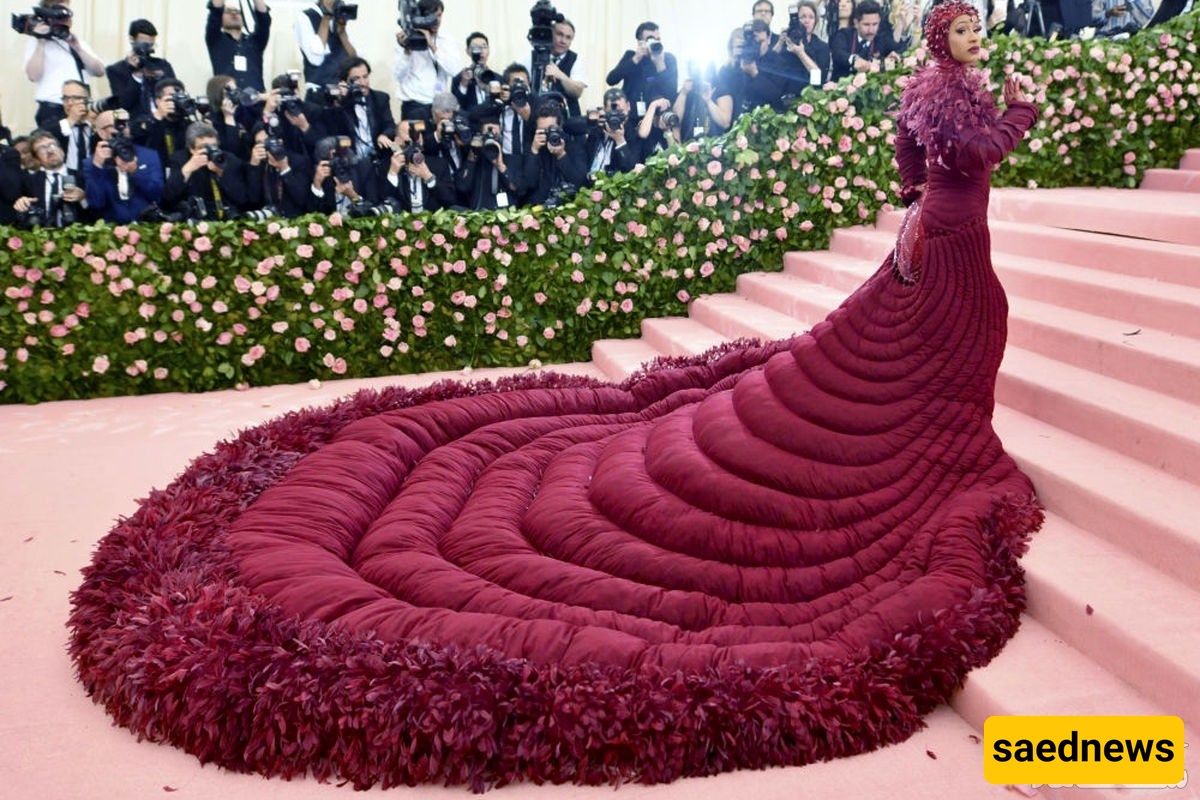
According to the Saed News website, quoting Kame Sarak, just as we encounter great diversity in languages, faces, and cuisines across different parts of the world, it is not surprising to come across a wide variety of clothing styles as well. Sometimes these outfits are used in religious ceremonies and sometimes in special celebrations such as weddings. Some of these garments may seem unusual or even fascinating to us because we have seen them less in the media. Due to the existence of numerous tribes around the world, there is a vast diversity of clothing traditions that cannot be fully covered in one article. Below, we look at five clothing styles that, despite their wide presence, are less familiar to us.
One of the distinctive and unusual clothing styles belongs to the Maasai people. The well-known Maasai tribe lives on the border between Kenya and Tanzania and inhabits the plains at the foothills of Mount Kilimanjaro. This pastoral community differs significantly in appearance and clothing from other ethnic groups in sub-Saharan Africa. For example, until recently, many Maasai in Tanzania wore simple sandals made from cowhide.
In the vast plains of this region, the colorful clothing of this tribe is very striking. One of their main arts is colorful beadwork, which is an ancient tradition. Through this craft, bright colors are prominently displayed in their clothing.
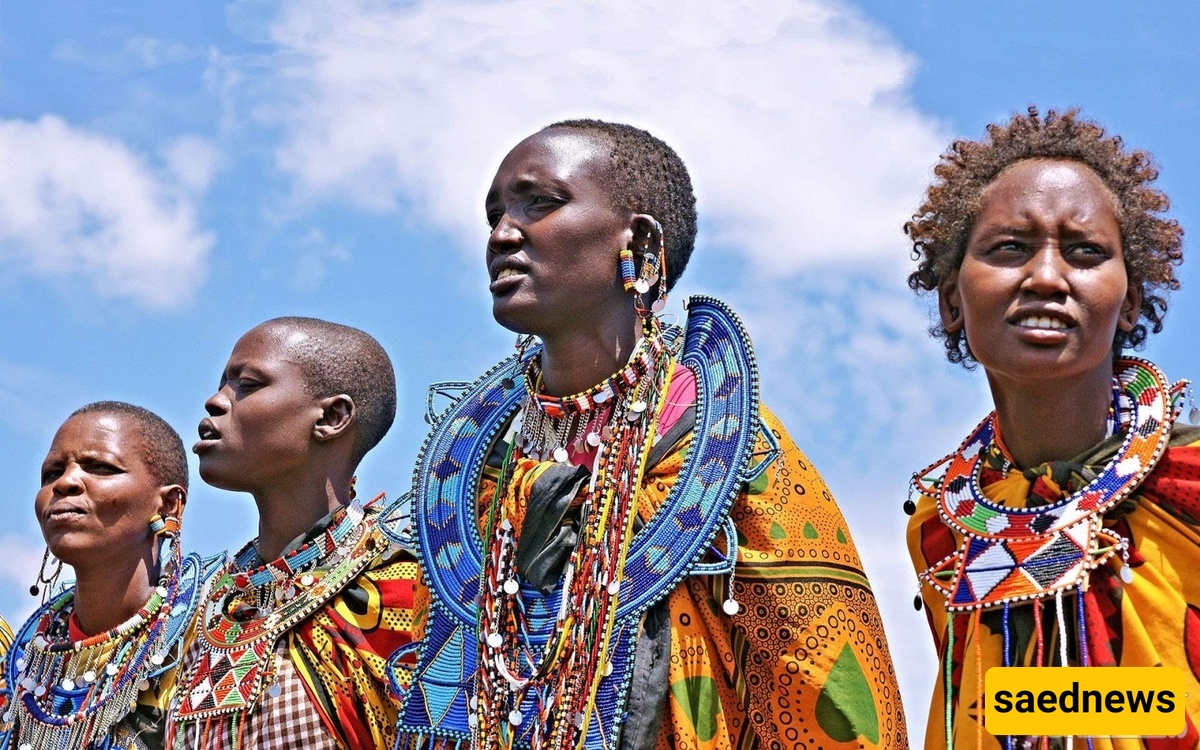
Beadwork in Maasai culture has a long history and has been passed down through generations by women. In fact, Maasai women use these colorful beads to express identity and social status. As mentioned, bright colors are widely used in Maasai clothing. These colors carry symbolic meanings: white represents peace, red symbolizes blood, war, and bravery, and blue represents water.
Before contact with Europeans, beads were made from local materials such as shells, ivory, iron, charcoal, clay, copper, and brass. Today, due to trade and export, polished and refined colorful beads are preferred.
Mongolian clothing originates from the traditional garments of Central Asia. Although everyday clothing in Mongolia has increasingly shifted toward modern global styles, traditional attire is still culturally significant.
The Deel, the traditional Mongolian garment, is designed according to the country’s culture and climate. As known, Mongolia has long, cold, and dry winters and is generally a cold, elevated, and windy country. At the same time, the lifestyle of its people has historically been dynamic and active.
Therefore, they need clothing that allows freedom of movement while protecting them from wind and cold. The traditional Deel is ideal for this purpose. Among its accessories, hats are particularly important, and heavy hats are often worn.
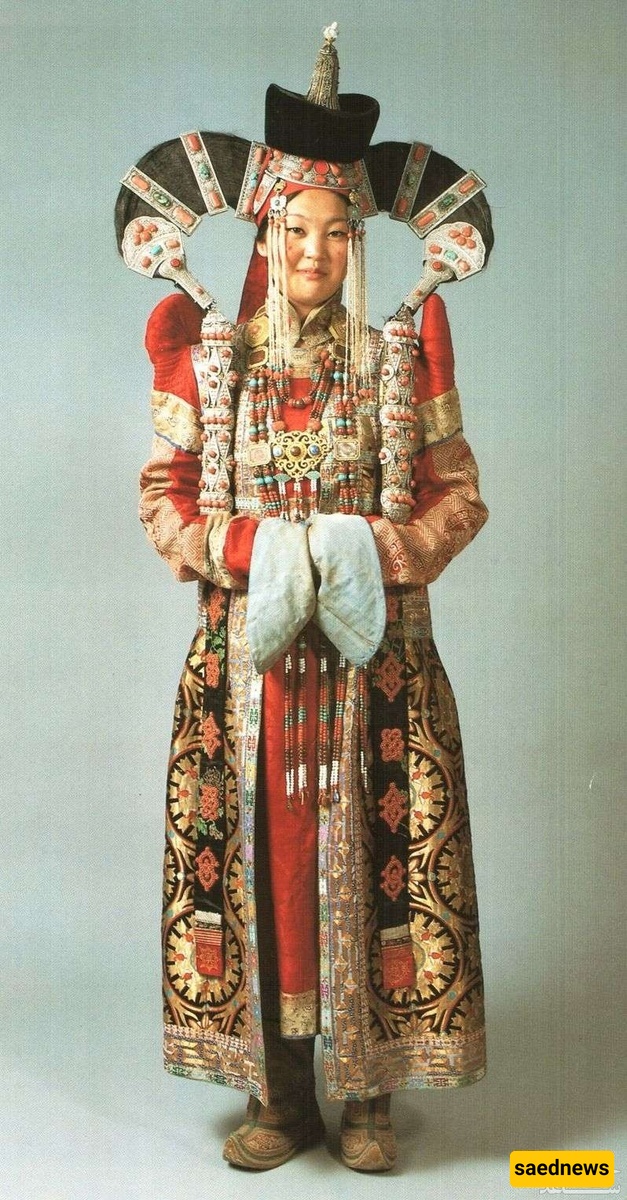
One reason for such heavy headwear may be the belief that the head represents the body and spirit in Mongolian culture.
A notable feature of women’s clothing in various Mongolian ethnic groups is their headgear. In ancient society, Mongolian hats were a clear symbol of social identity and status. Due to the diversity of tribes in Mongolia, there is a wide variety of hats—over 400 types have been recorded.
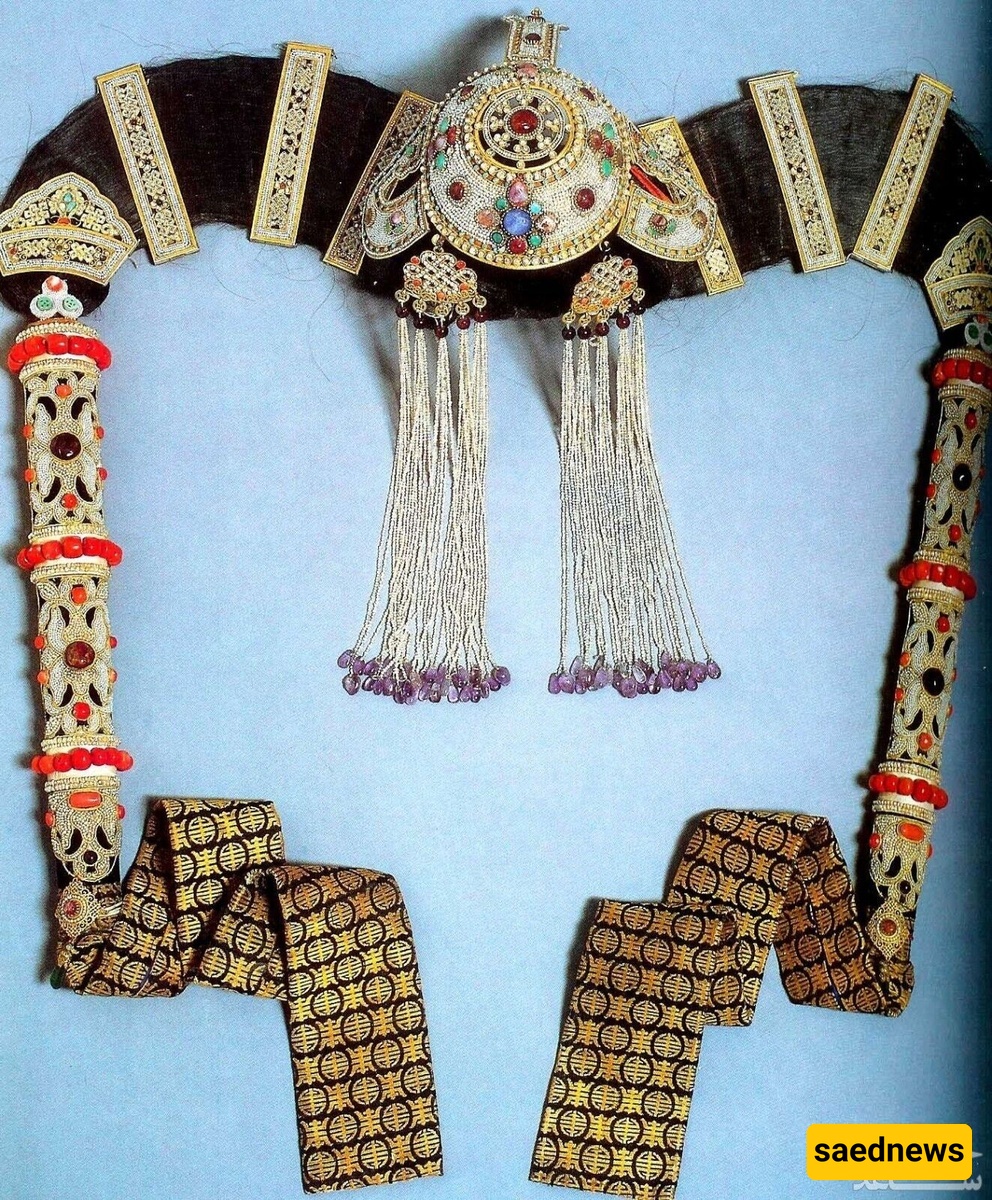
Perhaps the most striking hairstyle and headpiece belongs to married Khalkha women. This style resembles cow horns, which for Mongolians symbolize nomadic freedom. Hair is divided into two braids and decorated with silver, turquoise, and coral ornaments, and a velvet hat decorated with stones and silver is placed on top.
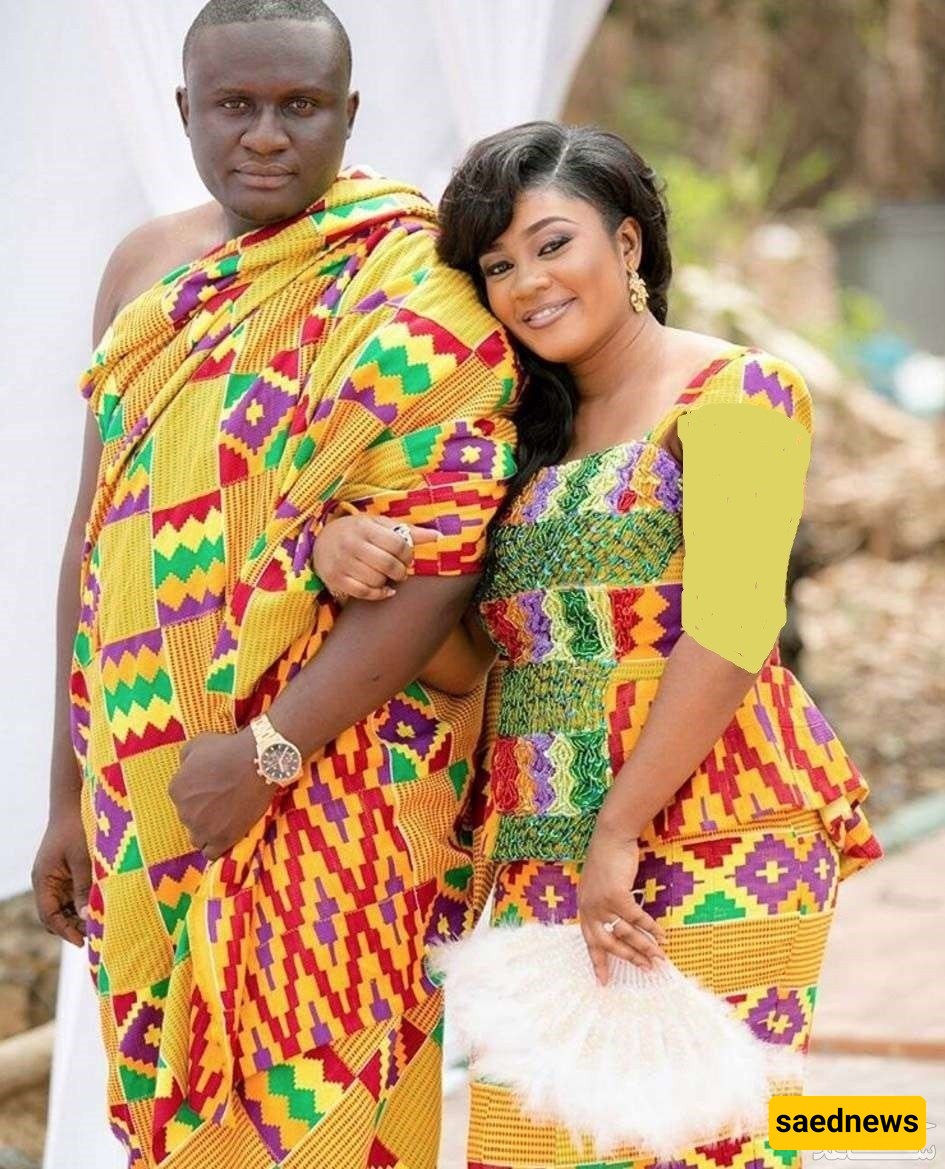
Another clothing style that is more fascinating than strange is the wedding attire of couples in Ghana. In most countries, brides typically wear white princess-style dresses and grooms wear suits.
However, in Ghana, both bride and groom wear clothing made from kente fabric, a handwoven textile made of silk and cotton. Wearing matching fabrics makes the couple stand out on their wedding night. Each tribe has its own unique patterns, and each color used in the fabric carries a specific meaning.
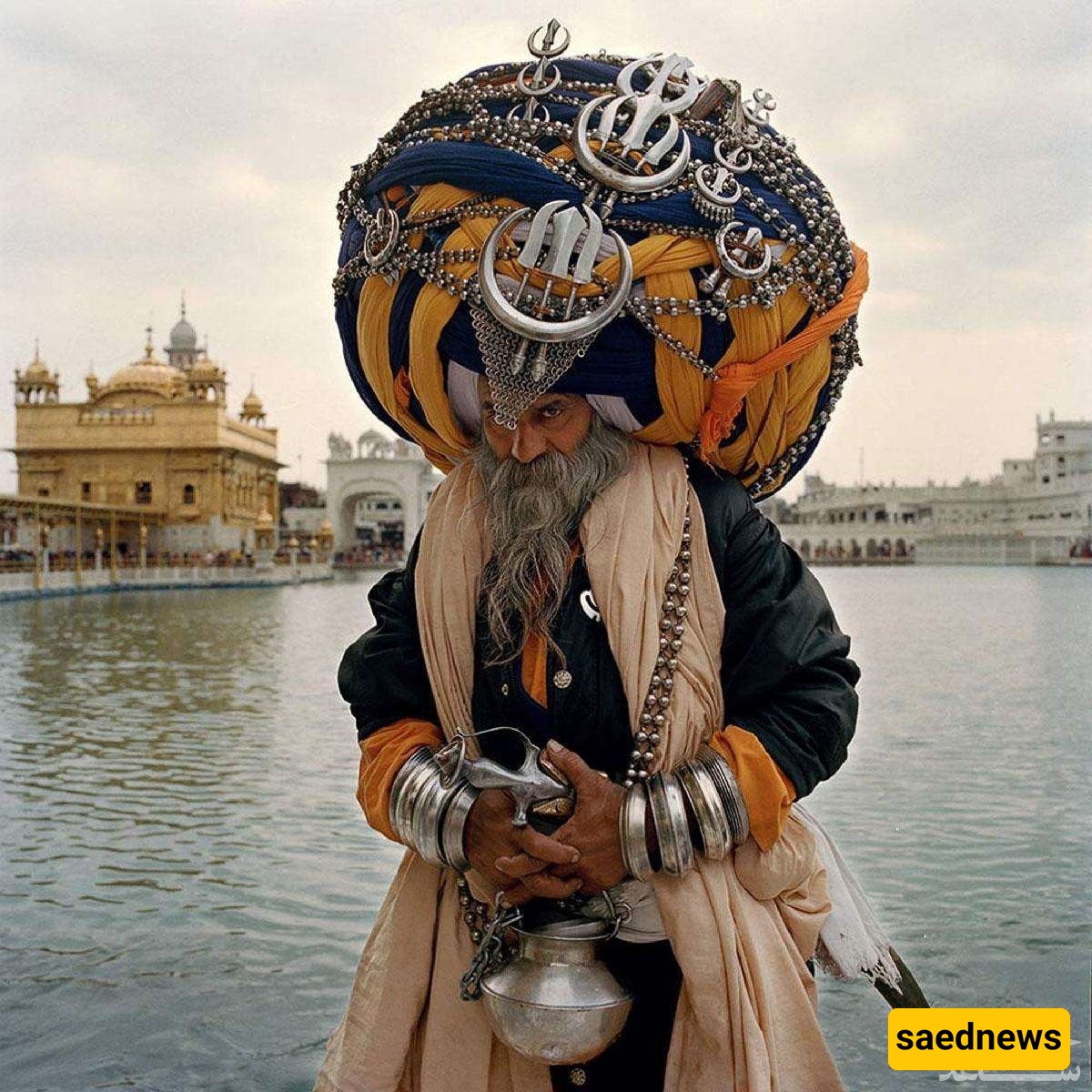
This section focuses on the large and distinctive turbans worn by followers of Sikhism. The tradition of wearing turbans dates back about four thousand years to ancient Mesopotamia and India.
Sikhism is a monotheistic religion that emerged in the 15th century in the Punjab region of northern India. The religion has certain rules regarding appearance, such as wearing a steel bracelet, keeping uncut hair, and always wearing a turban. The turban is used to keep their long hair covered, and uncut hair is considered sacred and spiritually significant.
Some believe turbans were used in ancient battles as protection against sword strikes, and also to conceal small weapons.
Among Sikhs, some individuals use this headwear tradition to gain global attention. A Sikh turban may require around 40 meters of fabric, and some can exceed 300 meters.
According to the Guinness World Records, in 2010 a Nihang named Major Singh wore a 400-meter-long turban weighing 35 kilograms. The current record belongs to Avtar Singh, whose turban weighs over 45 kilograms and, when unfolded, reaches about 640 meters—equivalent to 13 Olympic swimming pools. Due to its size, he can only travel by motorcycle.
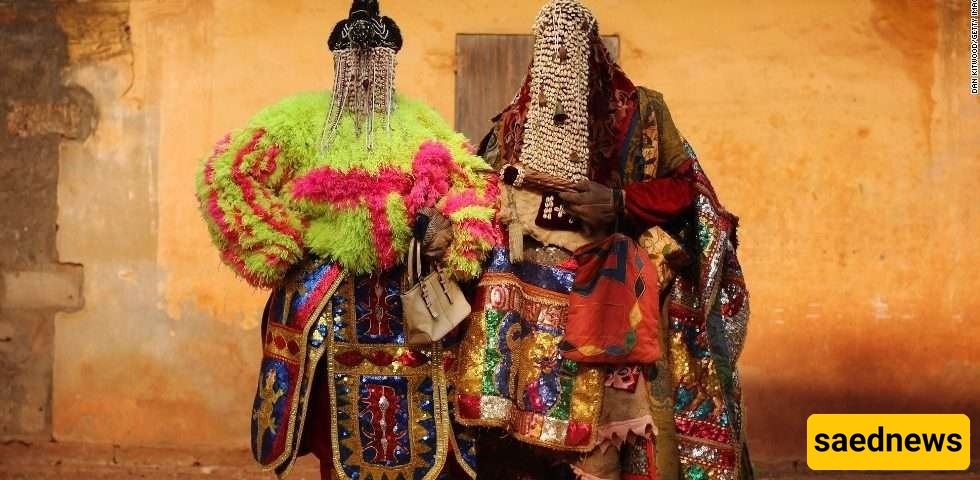
In West Africa, in the country of Benin, Voodoo was officially recognized as a religion in 1990. Since then, annual festivals are held to celebrate its establishment.
Followers of this religion believe that all existence originates from a supreme being and that the world of the living and the world of the dead are closely connected.
Every January, major celebrations take place on the coast of the city of Ouidah. This is one of the most colorful and vibrant events in Benin, accompanied by dance and music.
During the ceremony, masked dancers believe they are representing the spirits of their ancestors. These spirits are thought to observe and guide the living as protectors.