SAEDNEWS: Lamb shank soup is one of the most nutritious traditional dishes, combining tender lamb, legumes, and aromatic vegetables to create a wholesome, satisfying, and energy-boosting meal.
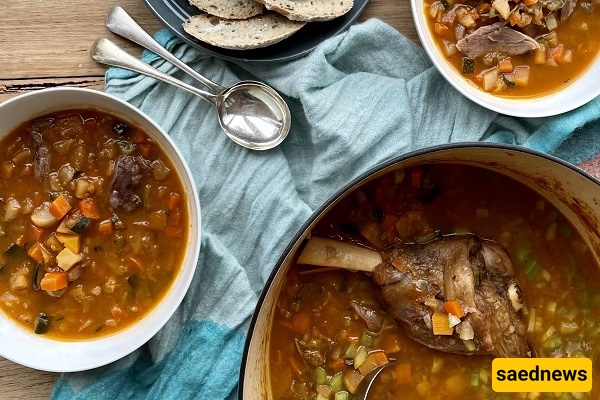
According to Saednews, Lamb shank soup is one of the most traditional and nourishing dishes in Iranian cuisine, deeply rooted in the culinary heritage of the region. Made with tender lamb, legumes, aromatic herbs, vegetables, and warming spices, this hearty dish is more than just a delicious meal—it is traditionally valued as a comforting food for restoring energy and warming the body during cold weather.
If you are looking for a detailed, step-by-step method for making rich and flavorful lamb shank soup, this guide covers everything from selecting the ingredients to cooking the meat perfectly and achieving the ideal consistency.
Lamb shank soup holds a special place in Iranian food culture. It is particularly popular during the colder months, during recovery from illness, or whenever a filling and energy-rich meal is desired. With lamb, legumes, vegetables, and grains, it can serve as a substantial and well-rounded meal.
Lamb shank contains naturally occurring collagen and gelatin. Slow cooking allows the meat to become exceptionally tender while enriching the broth with its flavor and nutrients.
Chickpeas and beans provide plant-based protein and fiber, while fresh herbs and vegetables contribute vitamins, minerals, and antioxidants.
For approximately 4–6 servings:
500 g lamb shank, preferably bone-in
2 medium onions
1 cup chickpeas, soaked overnight
½ cup white or pinto beans, soaked
½ cup hulled barley or pearl barley, optional
2 tablespoons tomato paste
1 teaspoon turmeric
Salt and black pepper, to taste
Optional soup spices such as cumin, cinnamon, or ginger
200 g fresh herbs such as leeks, parsley, cilantro, and a little savory, chopped
2 medium potatoes, diced
2 dried Persian limes, optional
Oil or butter, as needed
Approximately 8–10 cups boiling water
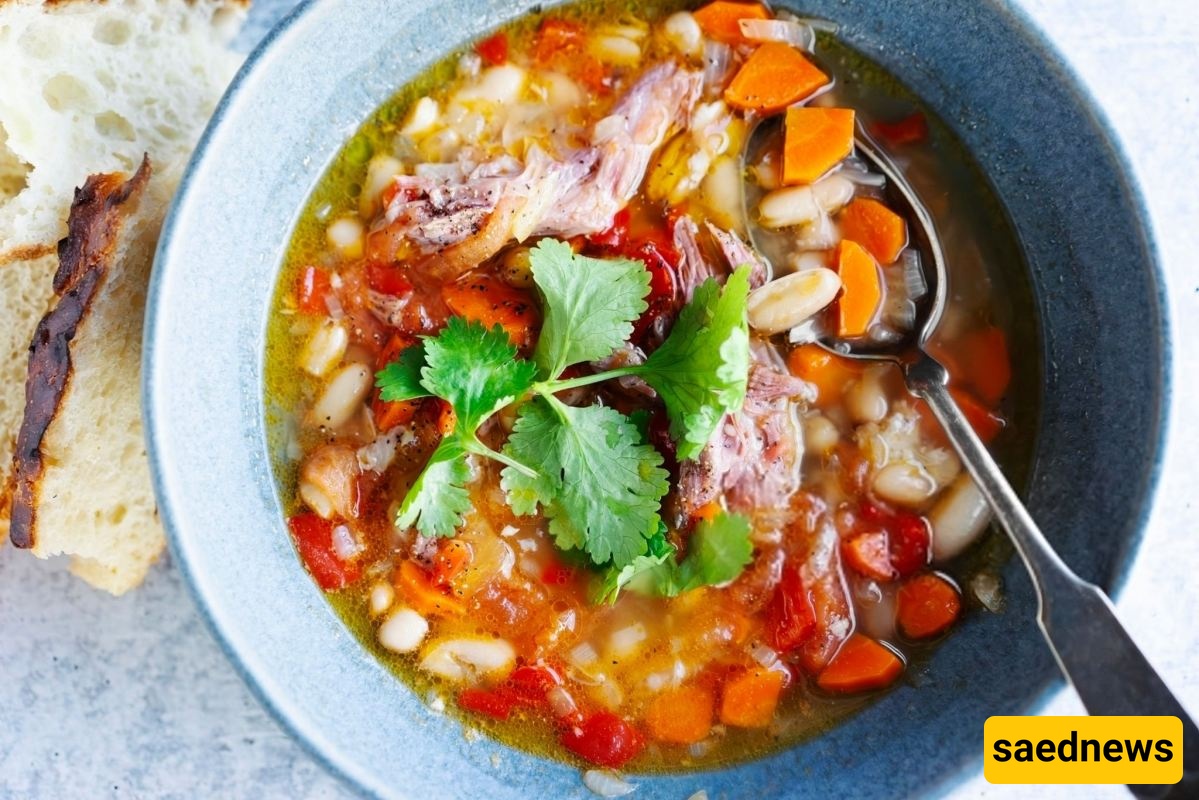
Place the lamb shanks in a large bowl of cold water the night before cooking. Change the water several times to help remove excess blood and reduce the strong aroma of the meat.
Place the lamb in a large pot with one sliced onion, several black peppercorns, one dried lime, and a little turmeric. Add enough boiling water to completely cover the meat.
Bring the water to a boil over medium heat. As foam rises to the surface, carefully skim it off with a spoon or skimmer. This helps produce a cleaner-tasting broth.
Reduce the heat, cover the pot, and simmer gently for approximately 2–3 hours, depending on the meat, until the lamb is extremely tender and easily separates from the bone.
While the lamb is cooking, finely dice the second onion.
Heat some oil or butter in a pan and sauté the onion over medium-low heat until soft and golden. Avoid burning it, as burnt onion can make the soup bitter.
Add the turmeric and sauté briefly until fragrant. Add the tomato paste and cook for 2–3 minutes to remove its raw flavor and slightly deepen its color.
Drain the soaked chickpeas and beans and add them to the pan. Stir-fry them with the onion and tomato paste for about 2 minutes so they absorb the flavors.
Once the lamb is fully cooked, add the sautéed legumes and onion mixture to the pot.
If using barley, soak it for about 2 hours. You can also boil it separately for around 30 minutes before adding it to the soup, or add it earlier according to its cooking time.
Cover the pot and simmer gently for another hour, allowing the legumes to become completely tender.
Remove the lamb shanks from the pot. Separate the meat from the bones and shred it with a fork. Return the shredded meat to the soup.
For extra richness, return the bones to the pot as well, allowing their marrow and gelatin to enrich the broth during the remaining cooking time.
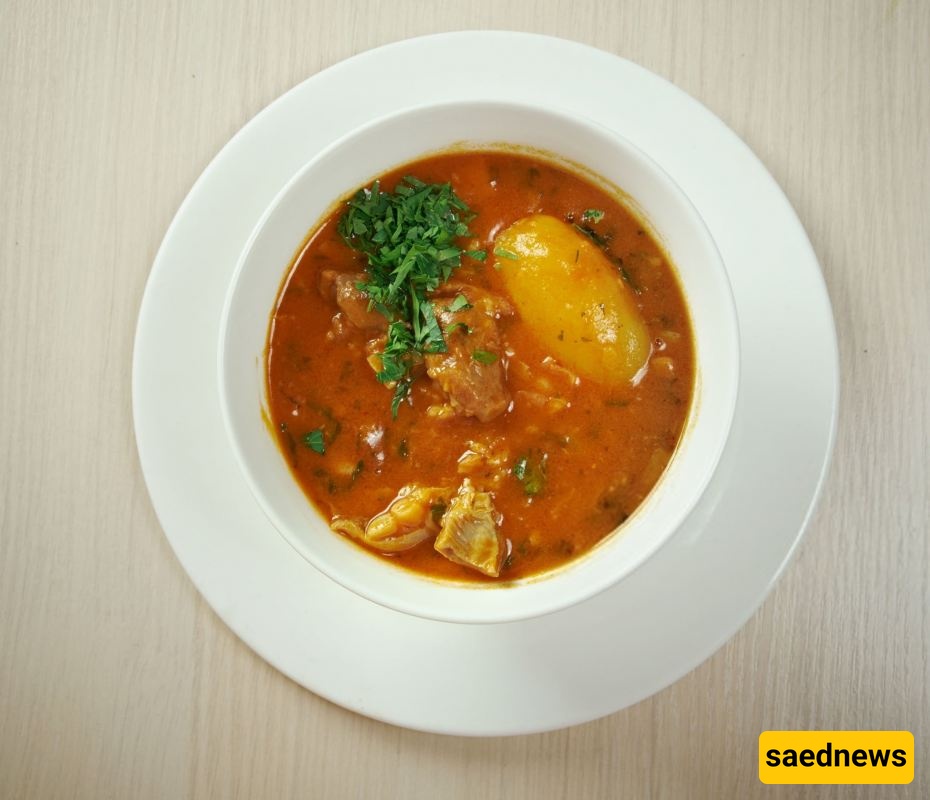
Add the chopped herbs and diced potatoes toward the end of cooking so they retain more of their flavor and aroma.
Season with salt and black pepper. If desired, add cumin, cinnamon, ginger, or another preferred soup seasoning.
Continue cooking over very low heat for another 30–45 minutes. During this time, the soup will thicken and its flavors will come together.
If it becomes too thick, add a little boiling water. If it is too thin, remove the lid and allow some of the liquid to evaporate.
Choose the right meat: Lamb shank from the foreleg or hind leg with a moderate amount of fat works particularly well. Beef shank or goat can also be used, although lamb provides the most traditional flavor.
Soak the legumes: Soak chickpeas and beans for 8–12 hours and change their water several times. This helps shorten cooking time and can make them easier to digest.
Skim the broth: Removing the foam during the initial boil helps create a cleaner and more pleasant broth.
Use dried Persian lime: Pierce the dried limes before adding them during the middle portion of cooking for a distinctive sour flavor.
Cook slowly: Avoid rushing the process. Gentle, slow cooking allows the meat, legumes, and spices to develop a deeper and more harmonious flavor.
Add a lamb bone: An additional lamb bone can make the soup richer and more gelatinous.
Lamb shank soup is traditionally regarded as a nourishing and restorative dish.
Protein and energy: Lamb, legumes, and barley provide a combination of animal and plant protein, carbohydrates, and fats.
Bone and joint nutrition: The collagen and gelatin released during slow cooking contribute to the soup's characteristic richness.
Fiber: Chickpeas, beans, and barley provide dietary fiber and help make the soup satisfying.
Vitamins and minerals: Herbs, vegetables, legumes, and lamb contribute a variety of essential nutrients.
Claims that lamb shank soup can directly treat conditions such as arthritis, osteoporosis, reflux, or gastritis should be treated cautiously; it is best considered a nutritious traditional food rather than a medical treatment.
Increase the amount of barley and add sliced mushrooms with a little thyme. Sauté the mushrooms in butter first, then add them to the soup for a more contemporary flavor.
For a richer Iranian variation, stir several tablespoons of diluted kashk into the soup shortly before serving. Do not boil the kashk vigorously, as it may separate.
Instead of dried Persian lime, add the juice of a fresh lemon toward the end of cooking for a lighter and fresher sour flavor.
For a lower-fat version, refrigerate the cooked soup and remove the solidified fat from the surface. You can also use leaner meat and increase the amount of legumes.
Lamb shank soup is traditionally enjoyed with fresh Iranian bread such as Barbari or Sangak. Tear pieces of bread into the bowl and let them soak up the rich broth.
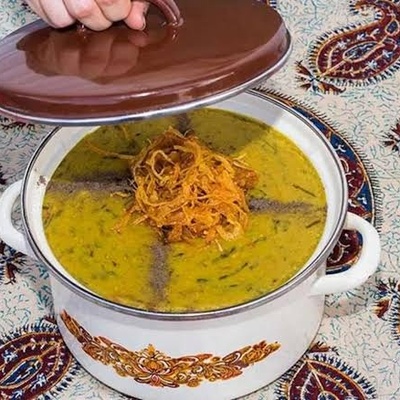
For extra flavor, garnish the soup with fresh lemon juice, dried mint, freshly ground black pepper, or fried onions.
A side of fresh herbs, radishes, basil, watercress, and a little Persian pickle makes an excellent accompaniment.
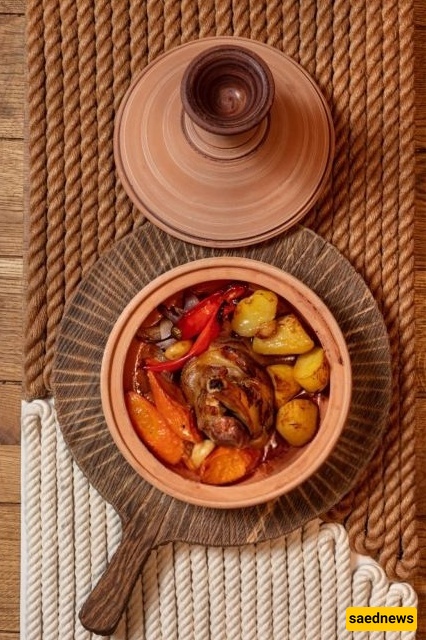
Soaking the meat, changing the water, and carefully skimming the broth can help. Onion, green cardamom, cinnamon, and turmeric can also add aroma and balance the flavor. Some cooks briefly boil the lamb with turmeric and a little white vinegar, discard that water, and then begin cooking with fresh water.
Traditional stovetop preparation generally takes around 3–4 hours, depending on the meat and legumes. A pressure cooker can significantly shorten the cooking time.
Yes. Beef shank is a suitable alternative and generally produces a leaner flavor. Chicken can also be used, but it cooks much faster, so the legumes should be cooked sufficiently before the chicken is added.
Yes. Allow the soup to cool completely, divide it into airtight containers or freezer bags, and freeze it for approximately 2–3 months. Thaw and reheat gently, adding a little water if necessary.
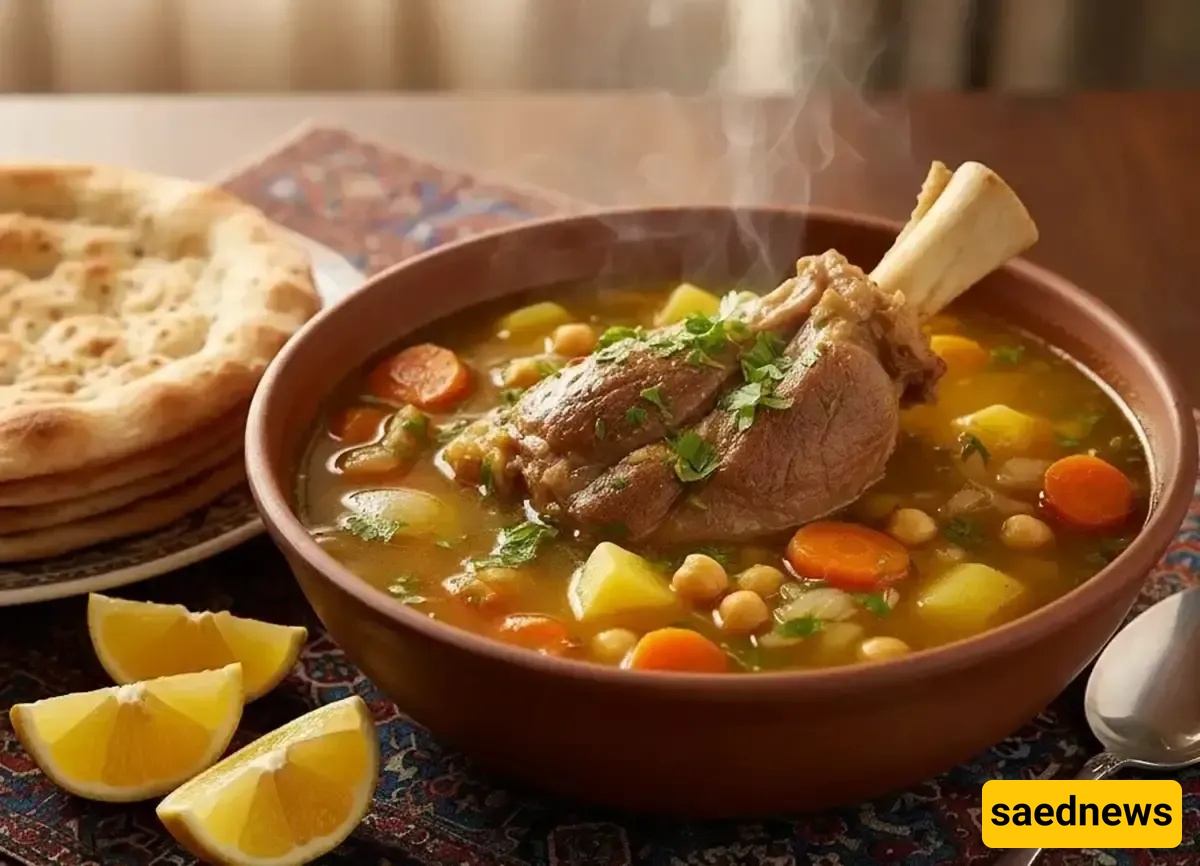
Persian lamb shank soup is a comforting example of traditional Iranian cooking, combining slow-cooked meat, legumes, herbs, vegetables, and aromatic spices into one deeply satisfying dish.
Whether served on a cold winter day, prepared as a hearty family meal, or enjoyed as a comforting homemade dish, its rich broth and tender lamb make it a memorable part of Persian cuisine.
With patience, quality ingredients, and slow cooking, you can create a fragrant, hearty lamb shank soup that brings the warmth and character of Iranian home cooking to your table.