SAEDNEWS: Following rising tensions and speculation about responses to attacks on infrastructure, the locations and capacities of five major Israeli power plants have been published. These facilities supply more than 50 percent of the electricity used in the occupied territories.
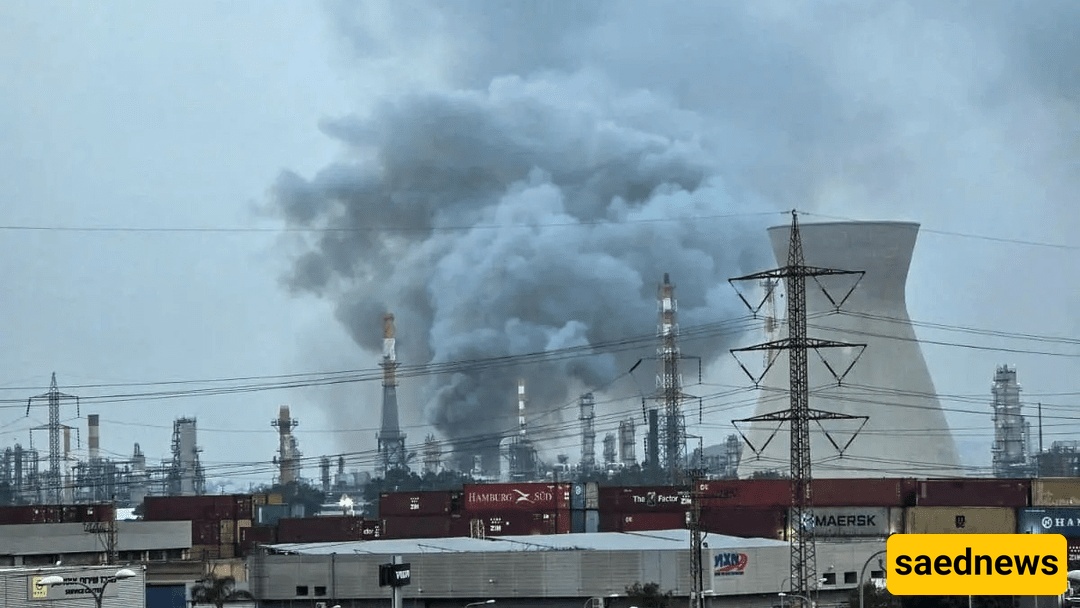
According to SAEDNEWS, According to the political desk of SaedNews, amid escalating tensions and increasing speculation about possible retaliatory actions in response to attacks on infrastructure, a list of five key and major power plants in the occupied territories has been released. These facilities play a significant role in supplying electricity across the region.
These installations are being discussed as potential targets should the conflict continue. The technical specifications and locations of these strategic centers are as follows:
Orot Rabin Power Plant
The largest power plant of the Zionist regime, with a capacity of 2,590 megawatts, located in the northern region near Haifa. This thermal power plant began operation in 1982 and is run by the Israel Electric Corporation. It plays a central role in the national electricity network.
Rutenberg Power Plant
The second‑largest power plant, with a capacity of 2,250 megawatts, located in the Tel Aviv area. The facility was launched in 1990 and is also owned by the Israel Electric Corporation.
Hagit Power Plant
A combined‑cycle power plant with a capacity of 1,371 megawatts. It began operation in 2002 in the northern part of the occupied Palestinian territories and is considered one of the important electricity generation sources.
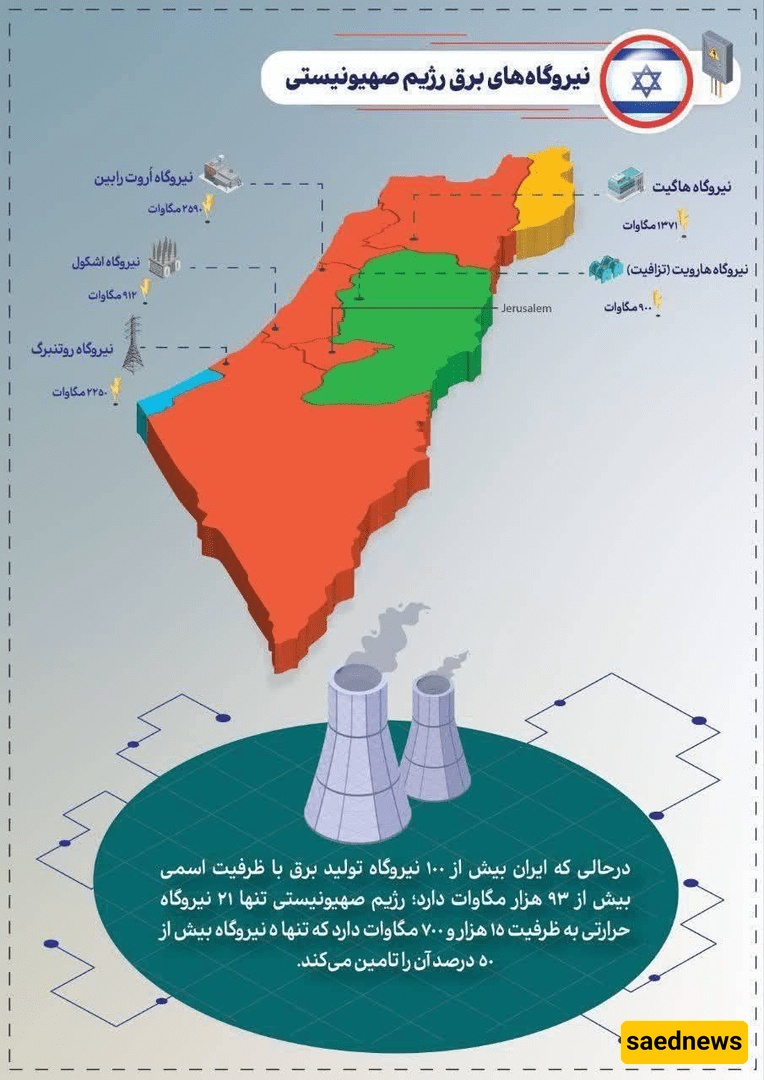
A dual‑fuel power plant with a capacity of 912 megawatts. Established in 1974, it is located in the southern part of the occupied territories.
Haruvit Power Plant
The newest facility on the list, a thermal power plant with a capacity of 900 megawatts. It began operations in 2015 in the Jerusalem area and belongs to Dalia Power Energy.
Experts say these five power plants provide more than half of the electricity in the occupied territories. Any disruption to their operation could deliver a direct and crippling blow to the vital and military infrastructure of the Zionist regime.
Under current conditions, targeting these centers is being discussed as a strategic and deterrent response in the event of further attacks on Iranian facilities.