SAEDNEWS: Akdamar Island: Where History, Architecture, and Legend Meet on Lake Van
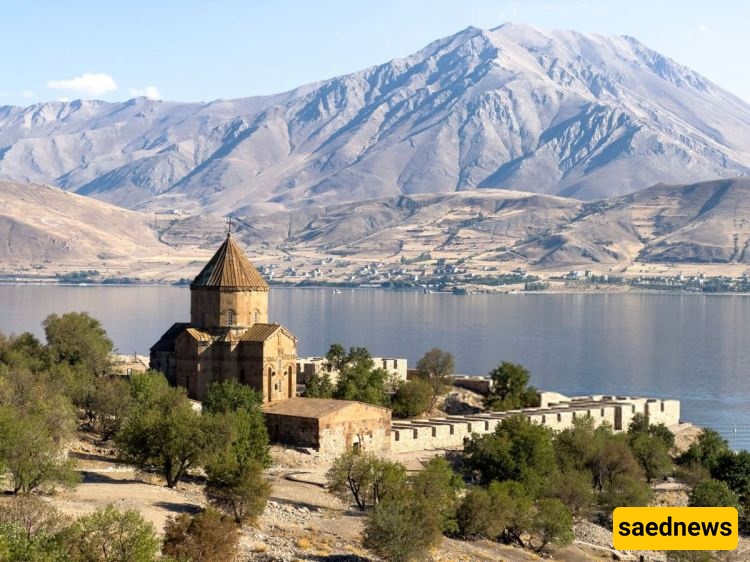
According to Saednews, Akdamar Island is one of eastern Turkey’s best-known historical and natural attractions, nestled in the turquoise waters of Lake Van. This small yet fascinating island is renowned not only for its extraordinary scenery but also for housing Akdamar Church, also known as the Church of the Holy Cross. It holds a special place among tourists, historians, and enthusiasts of ancient architecture.
Located in Van Province near the town of Gevaş, Akdamar Island attracts thousands of domestic and international visitors every year. Its stone church, remarkable relief carvings, historical stories, and local legends offer travelers a unique cultural tourism experience. This article explores the island’s geographical location, history, architecture, cultural significance, and practical travel tips.
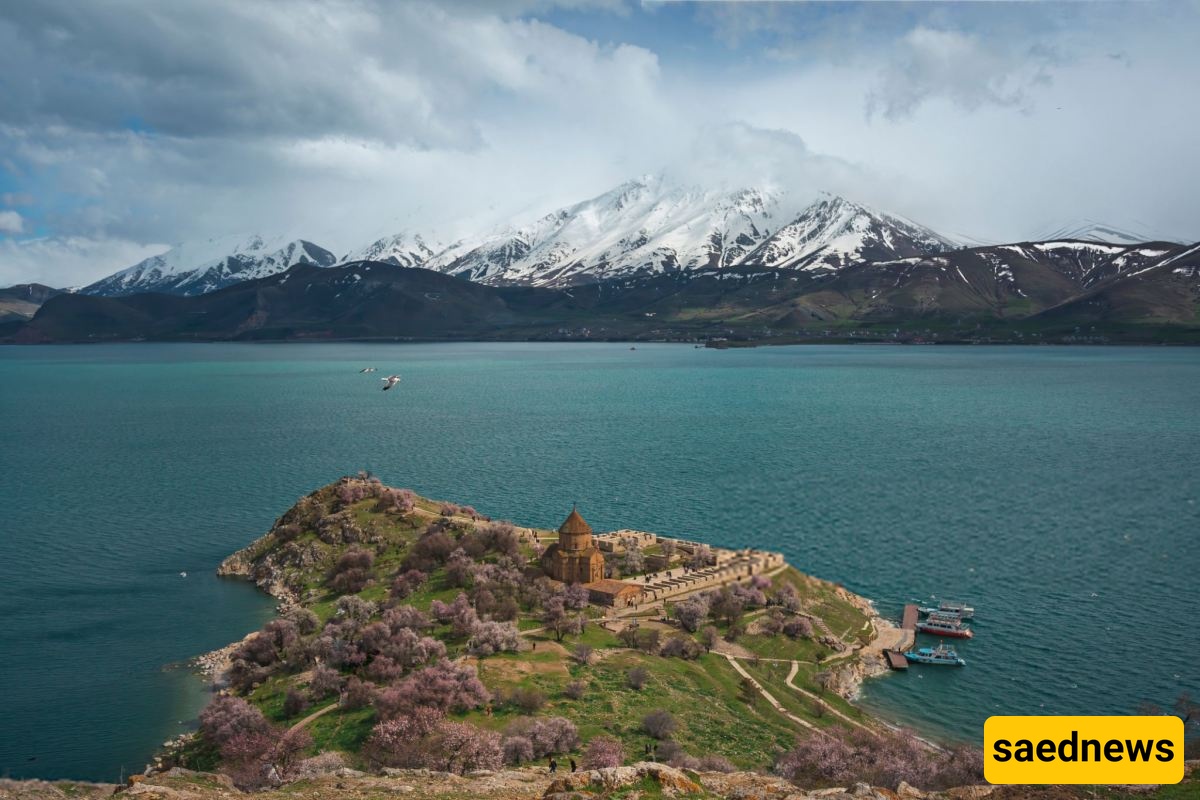
Akdamar Island lies in eastern Turkey, within Lake Van. The lake is the largest in Turkey and one of the world’s largest soda lakes. The island is located approximately 50 kilometers from the city of Van, near the lakeside town of Gevaş. It is relatively close to the shore and can usually be reached in a short time by local boats.
Although the island is small, its limited size contributes to its peaceful, intimate, and picturesque atmosphere. The blue waters of Lake Van, the surrounding mountains, and gentle breezes create an exceptional natural landscape. The combination of nature and history makes Akdamar Island an important tourist destination in Turkey’s Eastern Anatolia region.
The history of Akdamar Island is closely connected to the historical region of Vaspurakan and ancient Armenia. The island’s Armenian name is Aghtamar, and historical sources describe it as the site of a religious and royal complex.
The most significant surviving structure on the island is the Church of the Holy Cross. It was commissioned by Gagik I, King of Vaspurakan, and built by an architect named Manuel between 915 and 921 AD.
The church was originally part of a larger complex that included a palace, gardens, and auxiliary buildings. Today, only the church and parts of the historic grounds remain.
Over the centuries, the Church of the Holy Cross experienced numerous changes. After a long period of neglect, it was restored between 2005 and 2007 with support from Turkey’s Ministry of Culture and Tourism. The restoration transformed the church into a cultural museum and made it accessible to visitors.
Today, Akdamar Church is also included on UNESCO’s Tentative World Heritage List and is recognized as an outstanding example of the region’s religious architecture. Annual religious ceremonies and cultural visits have further enhanced its significance.
The Church of the Holy Cross is considered an architectural masterpiece of its era. Its floor plan is designed in the shape of a cross, with a central dome rising above the structure. Stone is the principal building material, and the exterior walls are decorated with intricate, detailed relief carvings. These elaborate decorations make the church resemble an illustrated book carved in stone.
The church’s exterior features scenes from both the Old and New Testaments, including the stories of Jonah and the whale and Daniel in the lions’ den, as well as scenes from the life of Jesus Christ and depictions of saints.
Animal figures, plant motifs, and religious symbols also appear throughout the decorative carvings. This remarkable variety of imagery distinguishes Akdamar Church from many other churches built during the same period.
The conical dome, small windows, arched entrances, and thick stone walls create a sense of strength and spirituality. Natural light entering through the windows gives the interior a peaceful and contemplative atmosphere.
For this reason, visiting Akdamar Church is more than simply viewing a historical monument; it is an immersive cultural and sensory experience.
Alongside its documented history, Akdamar Island is associated with several local legends. One of the most famous tells the story of the love between a woman named Tamara and a young man who was deeply in love with her.
According to the legend, the young man would swim from the shore to the island every night, guided by the light of a lantern, to meet his beloved. One night, however, the lantern went out, and the young man drowned in the waters of Lake Van.
The name “Akdamar” is popularly associated with the phrase “Ah, Tamara,” said to have been the young man’s cry.
These stories are primarily part of local folklore and should not be confused with established historical facts. Nevertheless, the legends add to the island’s charm and make a visit even more memorable.
After years of neglect, Akdamar Church underwent restoration during the 2000s. The project aimed to preserve the building’s stone structure and restore its relief carvings as closely as possible to their original appearance.
Following the completion of the restoration, the church opened to visitors as a historical and cultural monument and museum. Since 2010, annual religious services have also been held there with official authorization.
Today, Akdamar Island is one of the most recognizable cultural landmarks of Van Province. Visitors can take a boat from the shore near Gevaş, explore the church and its surroundings, photograph the scenic views of Lake Van, and relax in the island’s tranquil atmosphere.
Local guides and informational signs help visitors better understand the church’s history and architectural significance.
A visit to Akdamar Island can easily be combined with trips to other attractions in the region. Notable destinations include Van Castle, Hoşap Castle, historical tombs in Gevaş, Muradiye Waterfall, and the natural landscapes surrounding Lake Van.
The apple and walnut orchards around Gevaş also add beauty to the journey during the appropriate seasons.
Travelers can also enjoy local Van cuisine, including the famous Van breakfast, fish from Lake Van, and traditional sweets. Combining a historical visit to Akdamar Island with an exploration of local culture makes for a rewarding and memorable trip.
Spring and early autumn are generally the best times to visit Akdamar Island. During these seasons, temperatures are more moderate, and boat transfers are usually more comfortable.
Summers can be hot, while severe cold and snowfall in winter may limit access to the island.
For visiting the church and photographing its relief carvings, early morning and late afternoon are particularly suitable. The light is softer during these hours, and visitor numbers may be lower.
Before traveling, it is advisable to check local tourist information for current boat schedules and visiting hours.
Getting there: Local boats operate from the shore near Gevaş and provide access to the island.
What to bring: Comfortable walking shoes, drinking water, and a sun hat are recommended, especially during warmer months.
Protecting the monument: Avoid touching the relief carvings and historic stone walls.
Photography: Photography around the grounds is generally permitted, but visitors should respect the site’s cultural and religious significance.
Religious ceremonies: Access to the church may be restricted during religious events, so check in advance before planning your visit.
Akdamar Island is a remarkable destination where natural beauty, medieval Armenian heritage, religious architecture, and local folklore come together. Its historic Church of the Holy Cross, intricate stone carvings, and picturesque setting in Lake Van make it one of eastern Turkey’s most distinctive cultural attractions.
For travelers interested in history, architecture, nature, and regional traditions, Akdamar Island offers an enriching experience and a memorable glimpse into the cultural heritage of eastern Anatolia.