SAEDNEWS: The Bosphorus Bridge, also known as the First Bosphorus Bridge, is a major suspension bridge in Istanbul that connects the continents of Europe and Asia across the Bosphorus Strait. Opened in 1973, this iconic landmark plays a vital role in Istanbul’s transportation network, economy, and tourism industry.
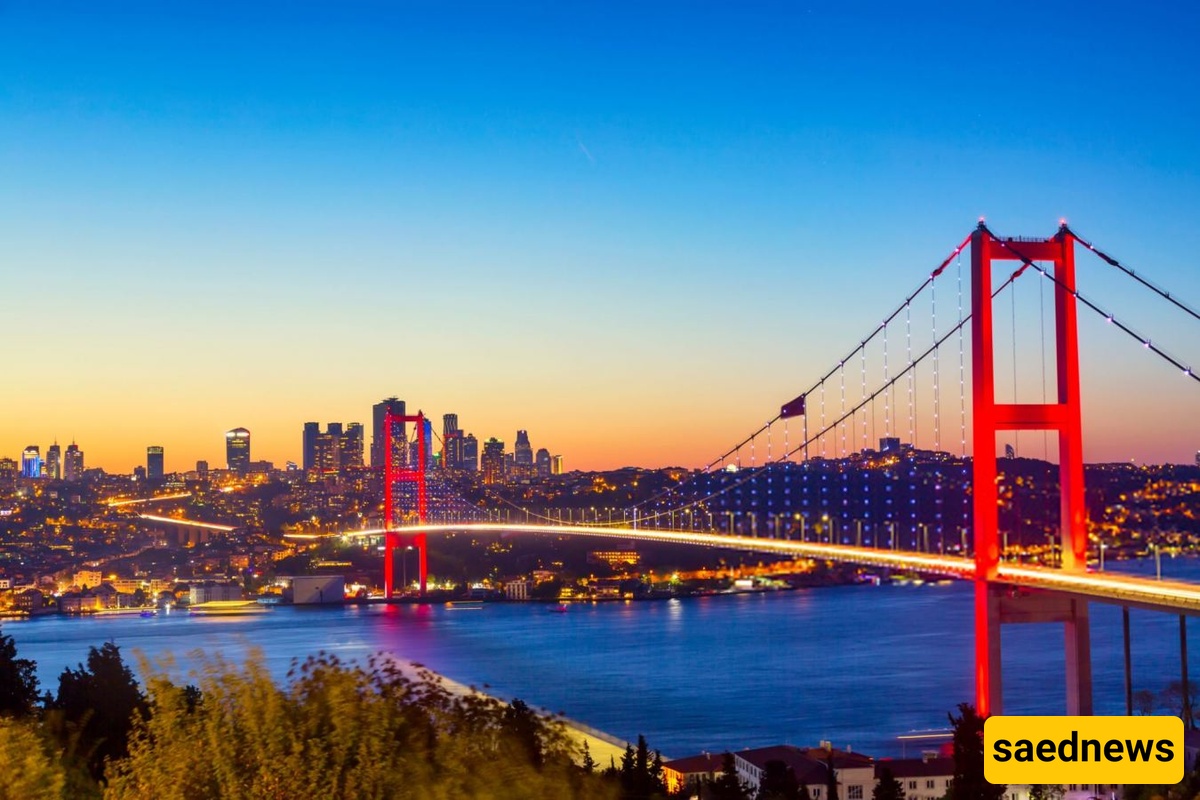
According to Saednews, Istanbul, a city spanning two continents, Europe and Asia, is one of the world’s most famous tourist destinations. Much of its appeal comes from its unique geographical location and the Bosphorus Strait, which connects the Sea of Marmara to the Black Sea and divides Istanbul into its European and Asian sides. Among the major structures built over this strait, the Bosphorus Bridge holds a special place. It is not only a vital transportation route but also a symbol of Istanbul and Turkey.
The Bosphorus Bridge, also known as the Bosphorus Strait Bridge, is a famous landmark in Istanbul. The word “Boğaz” means “strait” in Turkish and refers here to the Bosphorus Strait. Its current official name in Turkey is the 15 July Martyrs Bridge (15 Temmuz Şehitler Köprüsü). Before its renaming, it was commonly known as the Bosphorus Bridge or Boğaziçi Köprüsü.
The Bosphorus Bridge was the first major suspension bridge built across the Bosphorus Strait, connecting the European and Asian continents within Istanbul. On the European side, it connects to the Ortaköy neighborhood, while on the Asian side, it reaches Beylerbeyi. This unique location has made the bridge not only an important traffic route but also one of Istanbul’s most recognizable landmarks.
The Bosphorus Bridge is located in Istanbul, Turkey, spanning the Bosphorus Strait and connecting the European and Asian parts of the city. More specifically, its European terminal is near Ortaköy, while its Asian terminal is close to Beylerbeyi.
The bridge can be accessed through Istanbul’s main road network. Visitors often head to the surrounding areas of Ortaköy, Ortaköy Mosque, waterfront parks, and nearby viewpoints to admire the structure. A Bosphorus cruise is also one of the best ways to see the bridge from a different perspective.
The idea of constructing a bridge across the Bosphorus had been discussed for many years before the project was completed. Construction of the Bosphorus Bridge finally took place in the 1970s, and it officially opened on October 30, 1973. The inauguration coincided with the 50th anniversary of the founding of the Republic of Turkey, giving the bridge considerable symbolic importance from the beginning.
Over the following decades, the bridge underwent various maintenance and improvement projects. In 2016, following political events in Turkey, its official name was changed to the 15 July Martyrs Bridge. Nevertheless, many residents, tourists, and international sources continue to refer to it as the Bosphorus Bridge. Both names remain widely used in everyday conversation and travel publications.
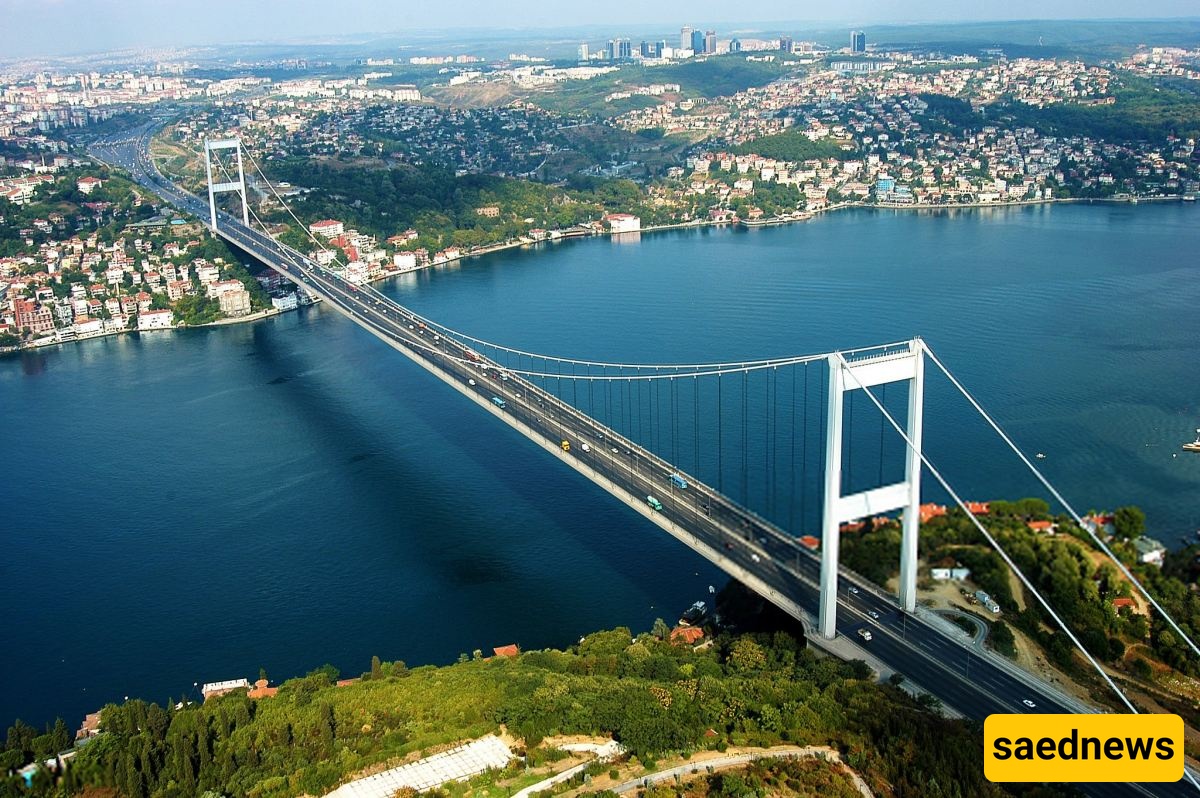
The Bosphorus Bridge is an outstanding example of modern bridge engineering. Its main technical specifications include:
Structure type: Suspension bridge
Total length: Approximately 1,560 meters
Main span: Approximately 1,074 meters
Width: Approximately 33 meters
Tower height: Approximately 165 meters
Clearance above the water: Approximately 64 meters
Traffic lanes: Six vehicle lanes
These dimensions make the Bosphorus Bridge one of the world’s well-known suspension bridges. Its design allows large vessels to pass beneath it, further increasing its strategic importance. The Bosphorus Strait is a major waterway for maritime transportation, making the bridge a significant part of Istanbul’s infrastructure.
The Bosphorus Bridge is more than a tourist attraction; it plays a vital role in Istanbul’s transportation network. As one of the world’s most populous and congested cities, Istanbul depends heavily on connections between its European and Asian districts. The bridge is one of the main routes used by cars, buses, and other vehicles traveling between the two sides of the city.
The bridge has also contributed to the economic development of Istanbul and its surrounding areas. Faster transportation between the continents has supported commercial activities, industry, and tourism. In addition, the bridge plays an important role in Turkey’s wider infrastructure network and international transportation routes.
A visit to the Bosphorus Bridge can easily be combined with sightseeing in the surrounding neighborhoods.
On the European side, Ortaköy Mosque is one of the most popular photography spots, thanks to its elegant architecture and waterfront location. Nearby, Dolmabahçe Palace is another major historical attraction in Istanbul.
On the Asian side, Beylerbeyi Palace and several scenic waterfront neighborhoods offer beautiful views of the bridge and the Bosphorus Strait. Çamlıca Hill is also one of the best places to enjoy panoramic views of Istanbul and the bridge.
A Bosphorus sightseeing cruise provides another memorable experience, allowing visitors to admire the bridge from the water and appreciate its scale from close range.
Spring and autumn are generally the best seasons to enjoy the Bosphorus Bridge and the surrounding scenery. During these periods, the weather is milder, making waterfront walks and outdoor photography more comfortable.
Sunset is another excellent time to admire the bridge. The changing colors of the sky, combined with the bridge’s nighttime illumination, create a particularly striking view.
Summers in Istanbul can be hot and humid, and traffic may become heavier. Winters are colder, but the bridge can look especially atmospheric on snowy or foggy days. To avoid the heaviest traffic, visitors should consider exploring nearby viewpoints in the morning or earlier in the day.
The Bosphorus Bridge is a road bridge, and pedestrian access is generally prohibited. Visitors cannot normally walk across it, so the best places to view the structure are nearby observation points, waterfront parks, sightseeing boats, and the surrounding areas of Ortaköy and Beylerbeyi.
Vehicles crossing the bridge are generally subject to toll charges. Traffic can also become heavy during peak hours, so visitors planning to cross by private car or taxi should allow extra travel time.
For photography, a wide-angle lens can help capture the bridge’s impressive scale. A tripod may also be useful where permitted. Visitors should always observe local regulations and any applicable security restrictions.
Although the Bosphorus Bridge was the first major bridge across the strait, Istanbul now has several other important crossings.
The Fatih Sultan Mehmet Bridge, the second major bridge across the Bosphorus, is located north of the Bosphorus Bridge. The Yavuz Sultan Selim Bridge, the third major crossing, lies farther north.
Together, these bridges demonstrate the strategic importance of the Bosphorus Strait and Istanbul’s growing need for efficient transportation infrastructure.
The Bosphorus Bridge is one of Istanbul’s most recognizable landmarks, combining engineering achievement, historical significance, and practical importance. By connecting Europe and Asia, it serves as a vital transportation link while offering visitors spectacular views of the Bosphorus Strait. Whether admired from the waterfront, viewed during a scenic cruise, or seen illuminated at night, the bridge remains an enduring symbol of Istanbul’s unique position between two continents.