SAEDNEWS: Mount Ahouran in Ilam is one of the most magnificent peaks of the Zagros Mountains. In this guide, you’ll discover its geographical location, climbing route, pristine landscapes, wildlife, and the fascinating attractions surrounding this remarkable destination.
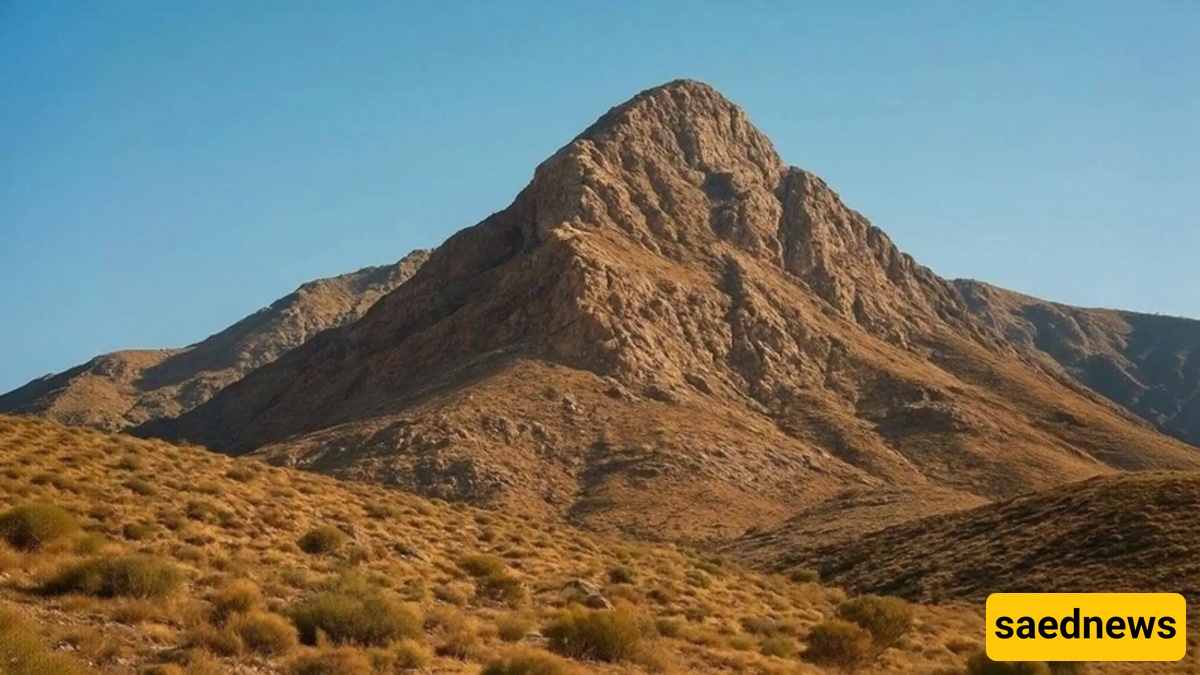
According to Saednews, Ilam Province is a land where mountains, plains, and forests come together to create a remarkable blend of beauty and tranquility. Amid this spectacular natural setting, Mount Ahouran is regarded as one of the most prominent and impressive mountains in the region. With its distinctive landscapes, ancient history, and cultural significance, the mountain is an appealing destination for nature lovers, hikers, and adventure seekers.
Mount Ahouran is located southeast of Ilam City and near the city of Mehran. It forms part of the vast Zagros mountain range. Rising to approximately 2,450 meters above sea level, the mountain offers extensive views on clear days. From its summit, visitors can see the surrounding plains and mountains of Ilam and, in some areas, even the Iran–Iraq border.
The slopes of Ahouran are covered with a variety of aromatic and medicinal plants, which fill the air with pleasant fragrances during spring and summer. These include:
Wild thyme
Pennyroyal
Kanger, a traditional edible wild plant
Astragalus
Rhubarb
In spring, the mountain becomes especially scenic, with colorful wildflowers and clear natural springs creating a landscape that attracts visitors from different parts of Iran.
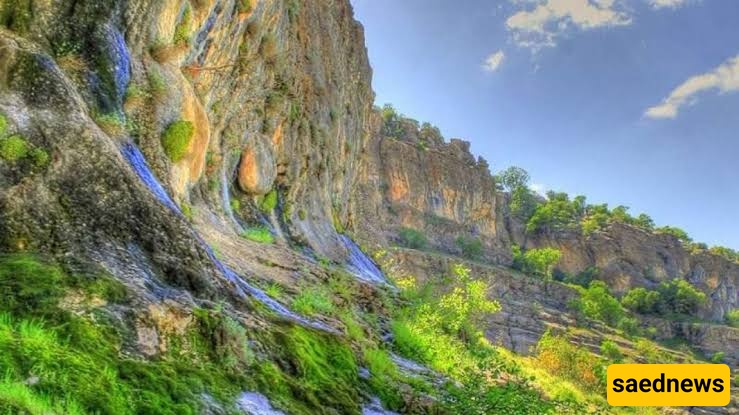
Mount Ahouran and its surrounding forests provide habitat for a variety of wildlife species, including:
Wild goats and wild sheep
Partridges and francolins
Foxes and rabbits
Birds of prey such as eagles and falcons
This biodiversity makes the area particularly appealing to wildlife enthusiasts and nature photographers.
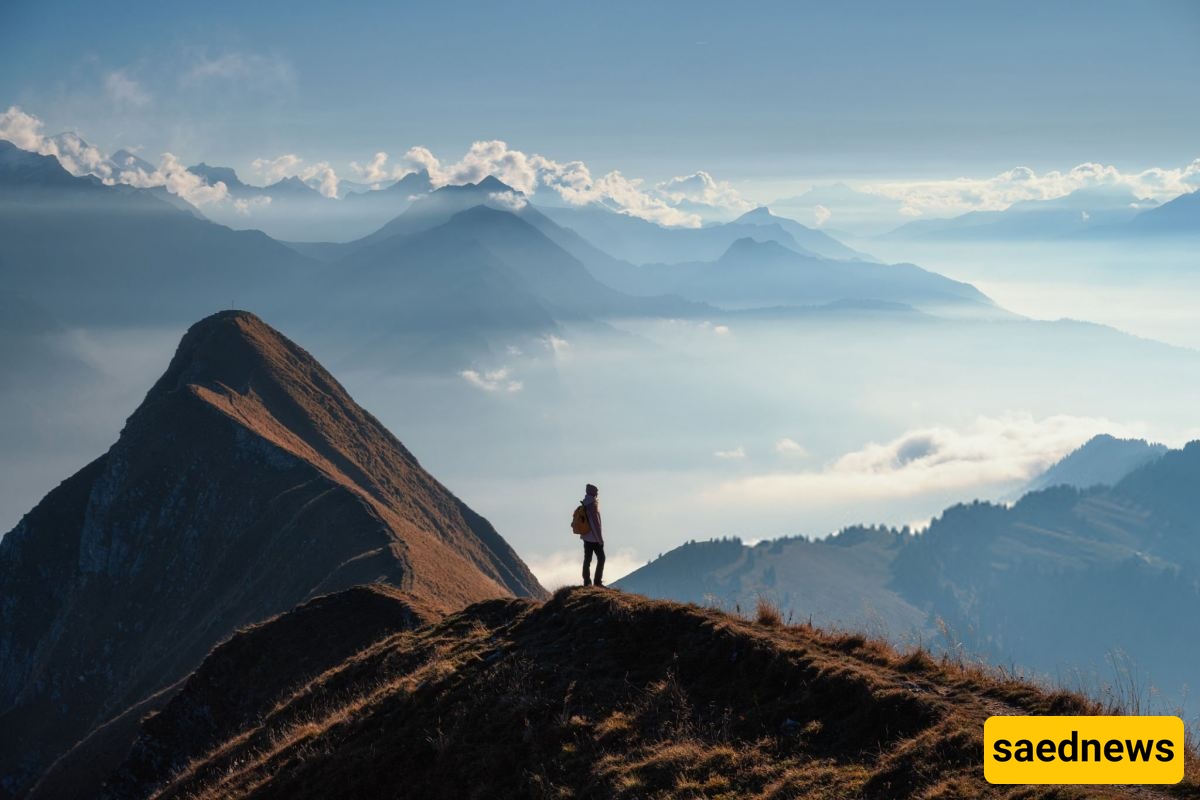
The name “Ahouran” is said to be derived from the ancient word “Ahura,” associated with God and the forces of goodness in Zoroastrian tradition. Local communities have historically regarded the mountain as a sacred place and viewed it as a symbol of strength and benevolence.
Archaeological remains and local shrines can also be found around the mountain, reflecting the cultural and historical importance of the area.
Reaching the summit of Ahouran is possible for moderately experienced hikers. The main routes begin along the northern and eastern slopes of the mountain.
Approximate ascent time: 4–5 hours
Best seasons for climbing: Spring and early autumn
Summers can be hot and dry, while winters may bring severe cold and heavy snowfall. For this reason, the milder seasons are generally more suitable for planning a climb.
Several scenic attractions can be visited around Mount Ahouran, making the area suitable for a broader nature-focused trip:
Qalajeh Valley: One of the scenic valleys of Ilam, known for its relatively untouched landscapes and cool springs.
Natural springs around Salehabad and Mehran: Refreshing spots that add to the region's natural appeal.
Zagros oak forests: These forests create a striking landscape characteristic of western Iran.
When climbing the mountain, visitors should carry sufficient drinking water and appropriate hiking equipment.
To help preserve the area's natural environment, avoid leaving waste behind and respect the surrounding vegetation and wildlife.
Because the mountain is relatively close to border areas, travelers should check the local security situation before planning their trip.
Spring is an especially enjoyable time to visit the lower slopes, with pleasant opportunities for picnicking, sightseeing, and nature photography.
Mount Ahouran in Ilam is more than a destination for hiking. It represents the natural beauty, cultural heritage, and ancient traditions of the Zagros region. Its green landscapes, impressive views, and peaceful atmosphere can offer a memorable experience for visitors who enjoy nature and mountain adventures.
For travelers looking to explore the mountains and natural landscapes of western Iran, Mount Ahouran can be an interesting destination that combines scenery, outdoor activity, and cultural heritage.