SAEDNEWS: The Kingdom of Bhutan is a country in South Asia, with Thimphu (also spelled Timphu) as its capital. Bhutan is known for having a Ministry of Happiness and is often recognized as one of the world’s happiest countries.
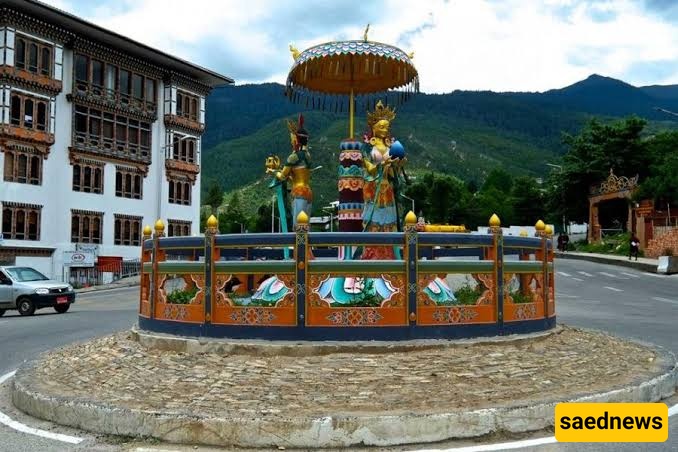
According to Saednews, Bhutan is a small country in South Asia, located on the eastern edge of the Himalayas. It shares borders with China and India and is known for its stunning natural landscapes, traditional architecture, and strong cultural heritage.
Many people know very little about Bhutan or may even wonder where it is located. Beyond its beautiful scenery and impressive religious architecture, Bhutan is often discussed for its distinctive approach to happiness and quality of life.
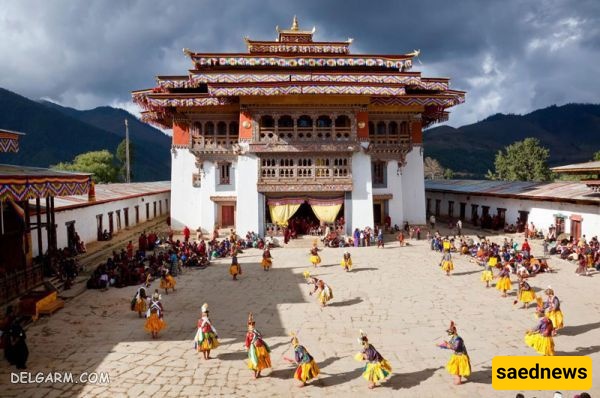
In the modern world, people often place a great deal of importance on material possessions. Buying the latest smartphone, fashionable clothes, or other new products can make us feel happy temporarily.
However, relying too heavily on material things can also create stress when we cannot afford what we want.
Bhutan has experienced modernization and globalization relatively recently, and the country has attempted to balance material development with spiritual and cultural values. For many Bhutanese people, happiness is not simply about owning the newest products. Their approach places greater emphasis on appreciating life itself.
Bhutan's economy has also experienced significant development over the years. One important part of its economy is hydropower, with India playing a major role in investing in and developing Bhutan's hydropower sector.
This approach has allowed Bhutan to benefit from its natural resources while maintaining a distinctive national identity and traditional way of life.
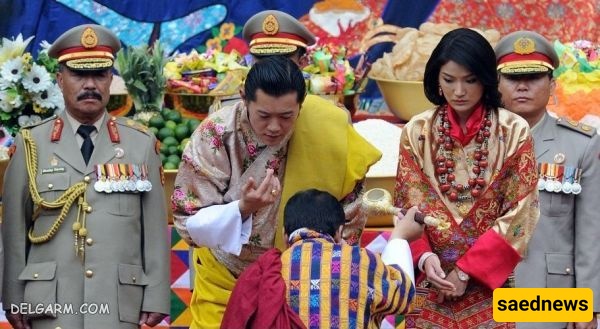
Bhutan's relationship with modern media and technology has developed more slowly than in many other countries.
Television, the internet, and social media can sometimes expose people to images of wealth, beauty, and lifestyles that may encourage comparison. Constant exposure to negative news can also affect people's emotions.
Bhutan's traditional culture places greater emphasis on community, personal relationships, and stepping away from excessive material comparison.
The environment is extremely important in Bhutan. Its forests, wildlife, and natural ecosystems receive strong protection, and environmental conservation is a major part of the country's national priorities.
Living close to nature can also contribute to a calmer lifestyle. Bhutan's mountains, forests, valleys, and relatively unspoiled landscapes provide residents with an environment far removed from the crowded and heavily polluted surroundings found in many major cities.
Bhutanese culture has traditionally placed considerable importance on compassion, community, and responsible behavior.
A common Buddhist principle is that our actions have consequences. Treating other people and nature with kindness is therefore viewed as an important part of living a meaningful life.
Strong social connections and a sense of responsibility toward others can contribute to a greater feeling of community and belonging.
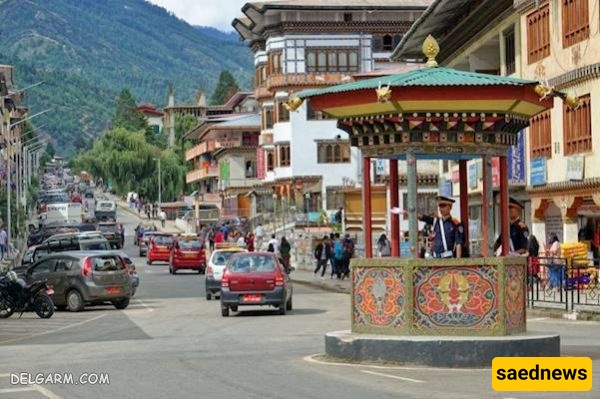
One of Bhutan's most famous ideas is Gross National Happiness (GNH).
Instead of looking only at economic indicators such as Gross Domestic Product, the GNH framework considers broader aspects of well-being. These include psychological well-being, health, education, cultural diversity, environmental conservation, community vitality, and living standards.
The concept reflects Bhutan's belief that national progress should involve more than economic growth alone.
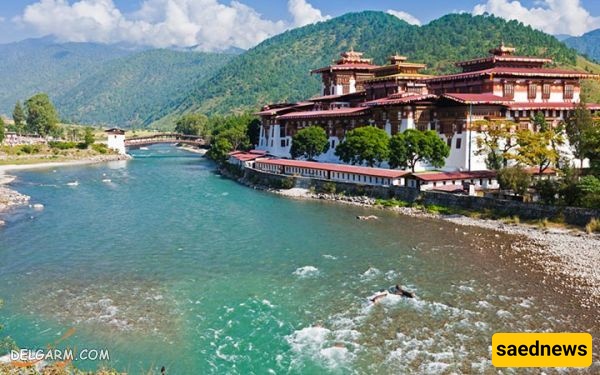
Bhutan is located in the Himalayas and is renowned for its spectacular mountain scenery and natural environment.
Large areas of the country remain covered by forests and protected landscapes. For people living in such surroundings, access to mountains, forests, and clean natural spaces can be an important part of everyday life.
The country's landscapes also make Bhutan an attractive destination for travelers looking for nature, tranquility, and cultural experiences.
Bhutanese society has traditionally maintained strong community relationships, and social interactions can sometimes appear relatively informal.
Stories about people encountering members of Bhutan's royal family or other prominent figures in ordinary settings are often used to illustrate the country's sense of community and social closeness.
This does not mean Bhutan has no social or economic differences, but its culture places considerable value on community and social relationships.
Research cited in discussions about Bhutan's lifestyle has suggested that a significant proportion of the population gets around eight hours of sleep per night.
Adequate sleep is associated with numerous benefits, including better physical health, cognitive function, emotional well-being, and creativity. A culture that allows people sufficient time to rest can therefore contribute to overall quality of life.
Bhutan's strong environmental policies have helped preserve much of its natural environment.
The country does have vehicles, businesses, and other modern sources of pollution, but its relatively small industrial sector and extensive forests contribute to its distinctive environmental conditions.
Protecting forests and limiting environmental damage are central elements of Bhutan's approach to development.
Bhutan became more connected with the outside world relatively recently compared with many other countries. For a long time, it maintained a comparatively isolated position in order to protect its culture and traditions.
As a result, Bhutan has preserved many customs and values that differ from those commonly found in highly modernized societies.
Not every traditional practice or social value will necessarily fit modern standards or appeal to everyone. Nevertheless, Bhutan's experience offers an interesting example of a society attempting to balance economic development, cultural preservation, environmental protection, and human well-being.
The most interesting question may not simply be “Where is Bhutan?” but rather “What can we learn from the Bhutanese approach to life?”
Bhutan's emphasis on community, nature, cultural identity, spiritual well-being, and broader measures of national progress provides a fascinating alternative perspective on what it means for a country and its people to live well.