SAEDNEWS: St. Petersburg is one of Russia’s largest and most beautiful cities, home to an incredible array of attractions and remarkable sights. Join us as we explore some of the city’s most fascinating destinations.
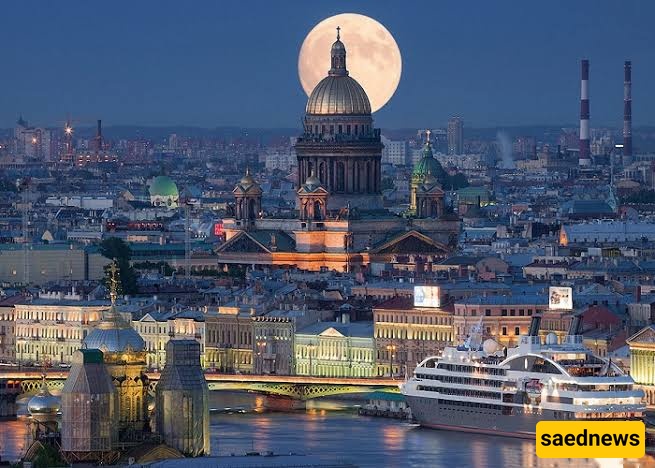
According to Saednews, Saint Petersburg, the second-largest city in Russia, has experienced many ups and downs throughout its history. As a result, it has become a symbol of resilience and determination among the Russian people.
Without a doubt, Saint Petersburg is one of the most beautiful cities in the world. Here, travelers can explore some of the largest museums, admire magnificent churches, and enjoy some of the world's most important artistic and cultural celebrations.
Contrary to popular belief, the name Saint Petersburg was not derived from its founder, Peter the Great. Instead, the city was named in honor of Saint Peter, also known as Simon. He was one of the twelve apostles of Jesus Christ and one of the leaders of the Christian Church. Saint Peter is also depicted in Leonardo da Vinci's The Last Supper, where he is the fourth figure from the left.
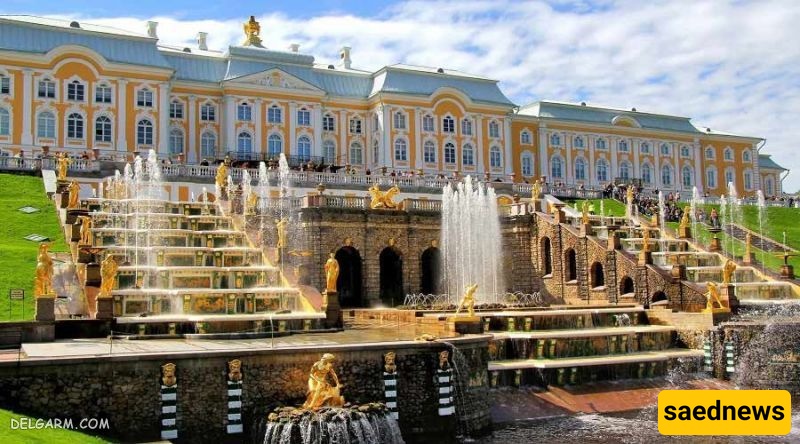
Peterhof is one of Saint Petersburg's most famous attractions. It is located in the Petrodvortsovy District of Saint Petersburg, along the southern shore of the Gulf of Finland. Construction of this magnificent palace began in 1714 under the direct supervision of Peter the Great and continued after his death.
The palace is a testament to the Tsar's well-known admiration for Europe. Peterhof's main attraction is its Lower Park, which features 150 fountains and four cascades.
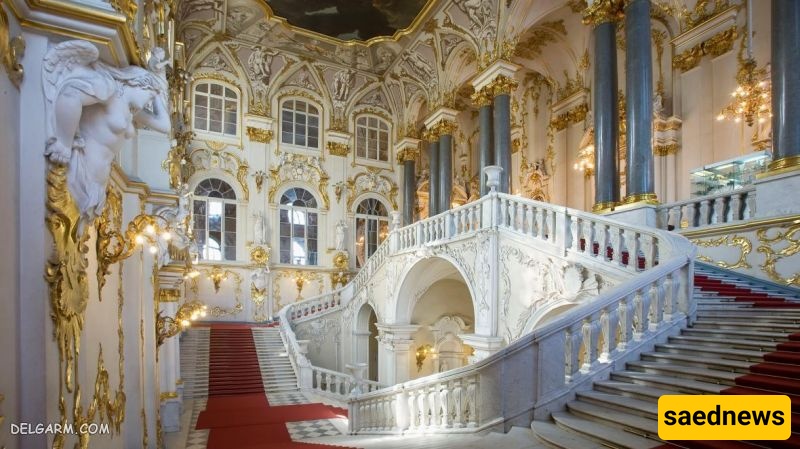
The Hermitage Museum is one of Russia's largest museums and one of the world's oldest art galleries and museums of human history and culture. It houses more than three million works of art, including masterpieces by Leonardo da Vinci, Picasso, and Rembrandt.
The collection is displayed across six buildings, the most important of which is the Winter Palace, which was once the residence of the Russian tsars. The complex also features magnificent palaces and lavish rooms where the tsars once lived.
Other sections of the museum contain a vast range of exhibits, including clothing, medals, royal jewelry, and one of the world's largest collections of ancient gold from Eastern Europe and Western Asia.
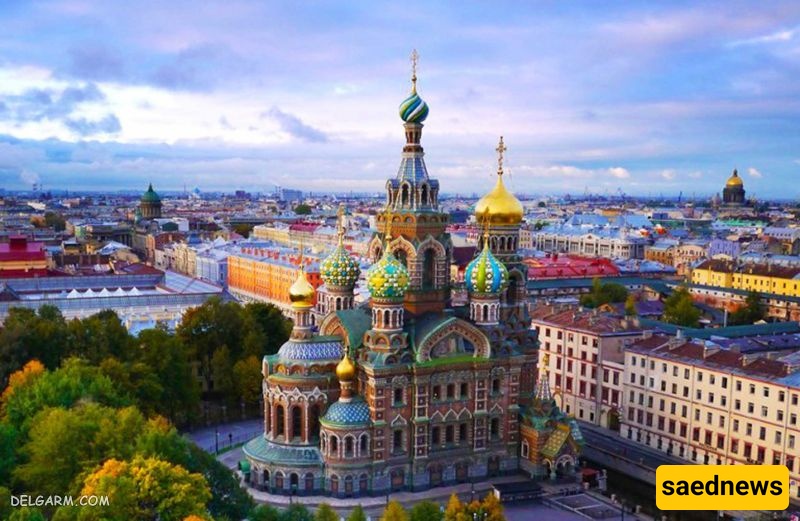
One of the best-known attractions in Saint Petersburg is the Church of the Savior on Spilled Blood, also known as the Church of the Resurrection of Jesus Christ.
The church contains more than 7,500 square meters of mosaics—more than any other church in the world. It also features an extraordinary and diverse collection of mosaic icons representing Academic, Modern, and Byzantine styles.
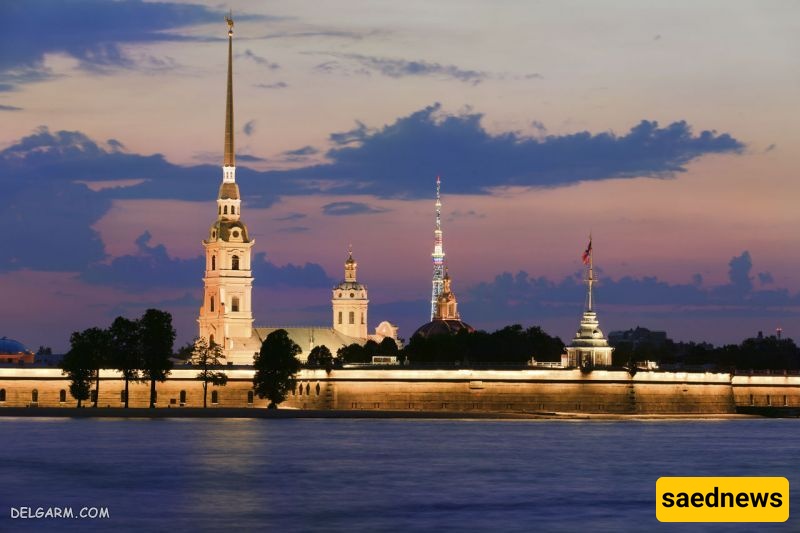
The Peter and Paul Fortress is the original citadel of Saint Petersburg. It was built on May 16, 1703, by order of Peter the Great and was the city's first architectural structure. Its original purpose was to monitor the Neva River and provide access to the Baltic Sea, which is why the fortress was built on Zayachy Island.
The fortress was strategically positioned so that ships arriving in Russia through the waterways had to pass by it and undergo careful inspection. The complex contains several notable attractions, including:
Peter and Paul Cathedral
Imperial Rooms
Cathedral Bell Tower
Statue of Peter the Great
The Mint
Located on the banks of the Moika River in central Saint Petersburg, Yusupov Palace is one of the city's most important historic attractions. It was built in 1770, and its first residents were members of the aristocracy who lived there with their families.
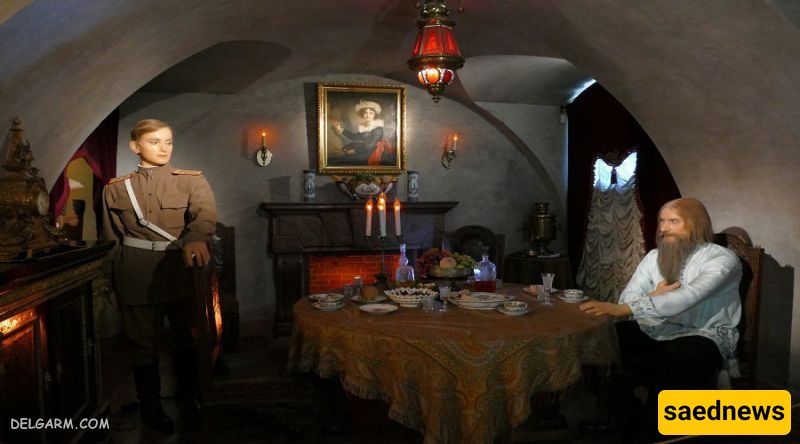
Over the years, five aristocratic families lived in the Yusupov Palace. However, the palace became particularly famous because of a historic event involving Grigori Rasputin, a Siberian peasant and one of the most mysterious figures in Russian history.
Rasputin was murdered there by Prince Felix Yusupov, one of the wealthiest princes of his time, along with several other aristocrats.
The basement where Rasputin was killed can still be visited, along with documents and exhibits related to the murder. It remains one of the most intriguing sights for visitors to Russia.
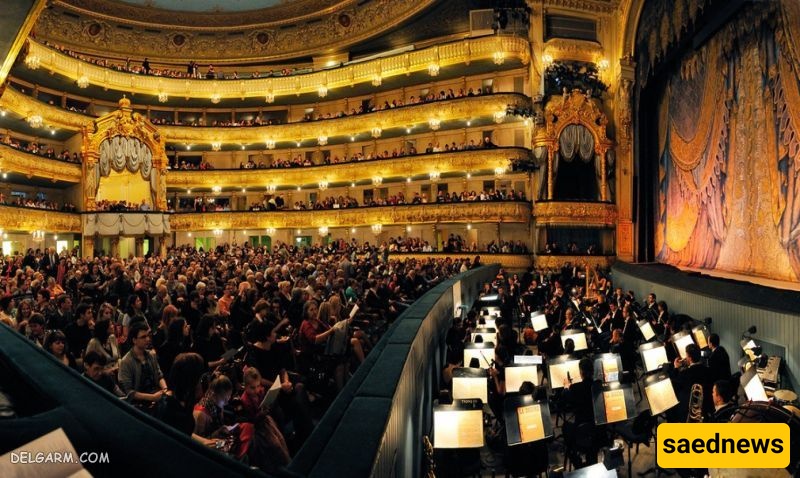
Another major cultural institution in Saint Petersburg is the Mariinsky Theatre, which for some visitors may be even more captivating than the Hermitage Museum.
In recent years, following financial difficulties and organizational problems at the Bolshoi Theatre, the Mariinsky has emerged as one of Russia's leading musical theatres.
The theatre has gained worldwide recognition for the exceptional quality of its performers and conductors, many of whom are among the finest in classical music, as well as for its internationally acclaimed ballet and opera stars, including Ulyana Lopatkina.
All of these elements have made the Mariinsky Theatre one of the world's leading centers for ballet and opera. In recent years, the theatre has expanded in both size and scope, attracting music and performing-arts enthusiasts from around the world.
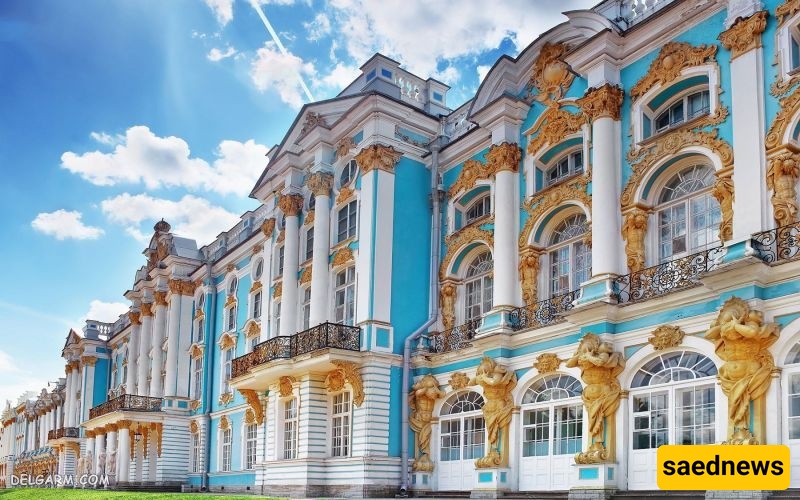
If we want to illustrate the extravagance and opulence of the Russian imperial family, it is enough to note that within less than two centuries, the Russian tsars built not one but two magnificent royal residences on the outskirts of Saint Petersburg.
One of them is Catherine Palace, also known as Tsarskoye Selo or Pushkin. In terms of grandeur and scale, the palace surpasses the Palace of Versailles.
Located in Pushkin, undoubtedly one of the most beautiful areas surrounding Saint Petersburg, Catherine Palace can be considered one of the city's grandest, most luxurious, and most impressive historic and tourist attractions.
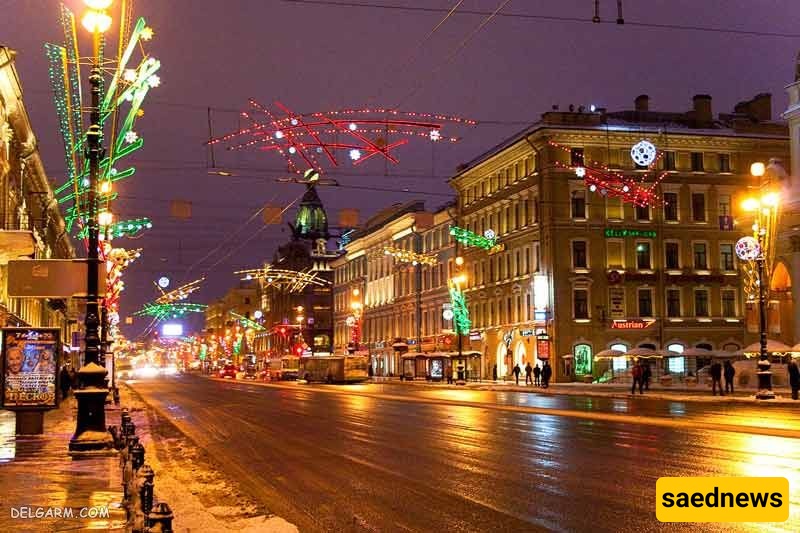
Nevsky Prospekt, undoubtedly one of the largest and longest avenues in the world, stretches for approximately 4.5 kilometers. It connects two of the city's most important historic landmarks: the Admiralty building in the west and the Alexander Nevsky Monastery in the east.
Today, Nevsky Prospekt showcases the modern face of Saint Petersburg. Locals love strolling along its paved streets, shopping at its colorful stores, sitting at its cafés, and watching the lively flow of pedestrians.
On certain days of the year, the avenue also becomes the setting for special celebrations and events. To make these events more convenient for participants, cars are prohibited from using the street during these occasions.
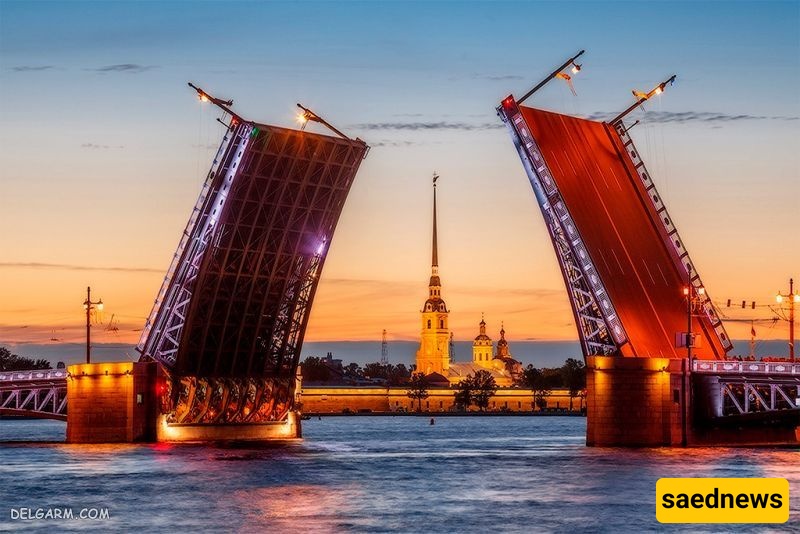
Although the Palace Bridge is a 20th-century structure and is not particularly old, it is undoubtedly one of Saint Petersburg's most famous and frequently visited attractions.
For visitors who need to cross the bridge to reach some of the city's major landmarks, it provides a memorable and unforgettable view of Saint Petersburg.
The bridge spans the Neva River. Unlike the elaborate and ornate architecture of many of the surrounding buildings, the bridge itself has a relatively simple design. Its height was deliberately kept low so that it would not obstruct views of the surrounding architecture.
What attracts both tourists and locals, however, is the bridge's famous opening mechanism. During the early hours of the morning, the bridge separates into two sections, with its two wings rising at an angle toward the sky to allow ships to pass along the Neva River.
Yelagin Island is about 20 minutes from the city center by metro and is a relatively overlooked destination that does not appear on many standard Russia itineraries. However, it deserves far more attention.
This beautiful island is home to a magnificent royal palace, a lush and scenic park, a peaceful lake suitable for boating in summer, areas for winter skiing, and a museum featuring beautiful glassware.
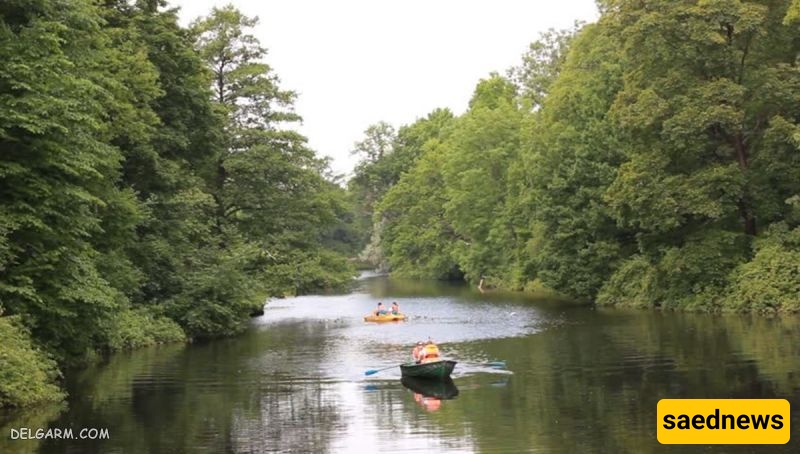
Yelagin Island offers visitors a quieter and more relaxing side of Saint Petersburg, away from the city's busiest tourist attractions.