SAEDNEWS: Angel Falls in Venezuela: In this article about the world’s most remarkable attractions, we will introduce you to one of Venezuela’s most stunning natural wonders—Angel Falls. Also known as Kerepakupai Merú, Angel Falls is undoubtedly one of the country’s most popular tourist attractions.
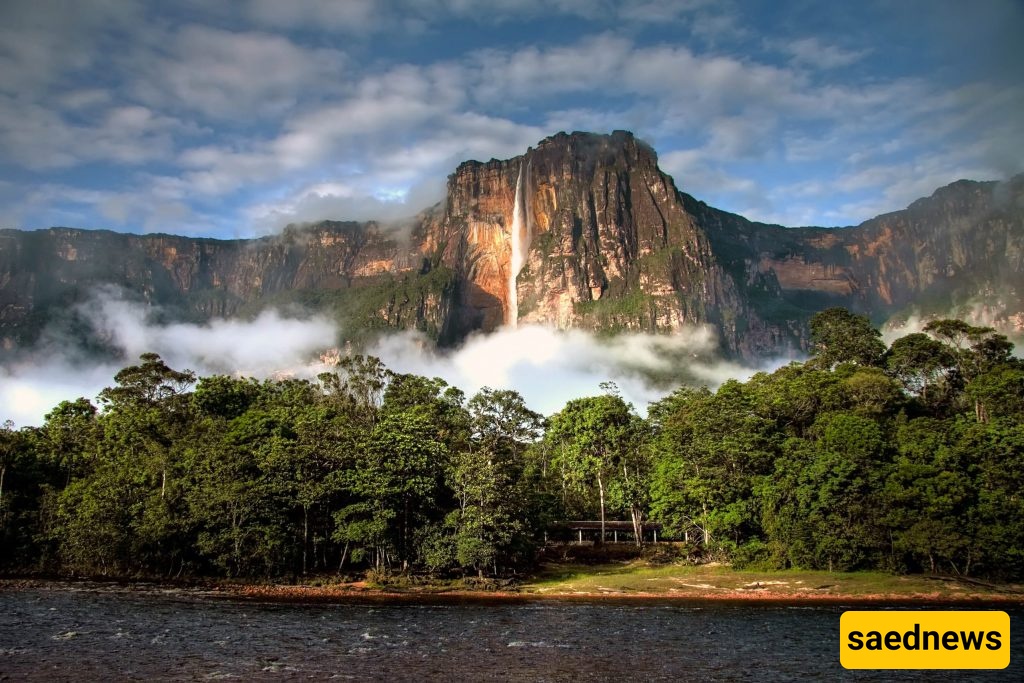
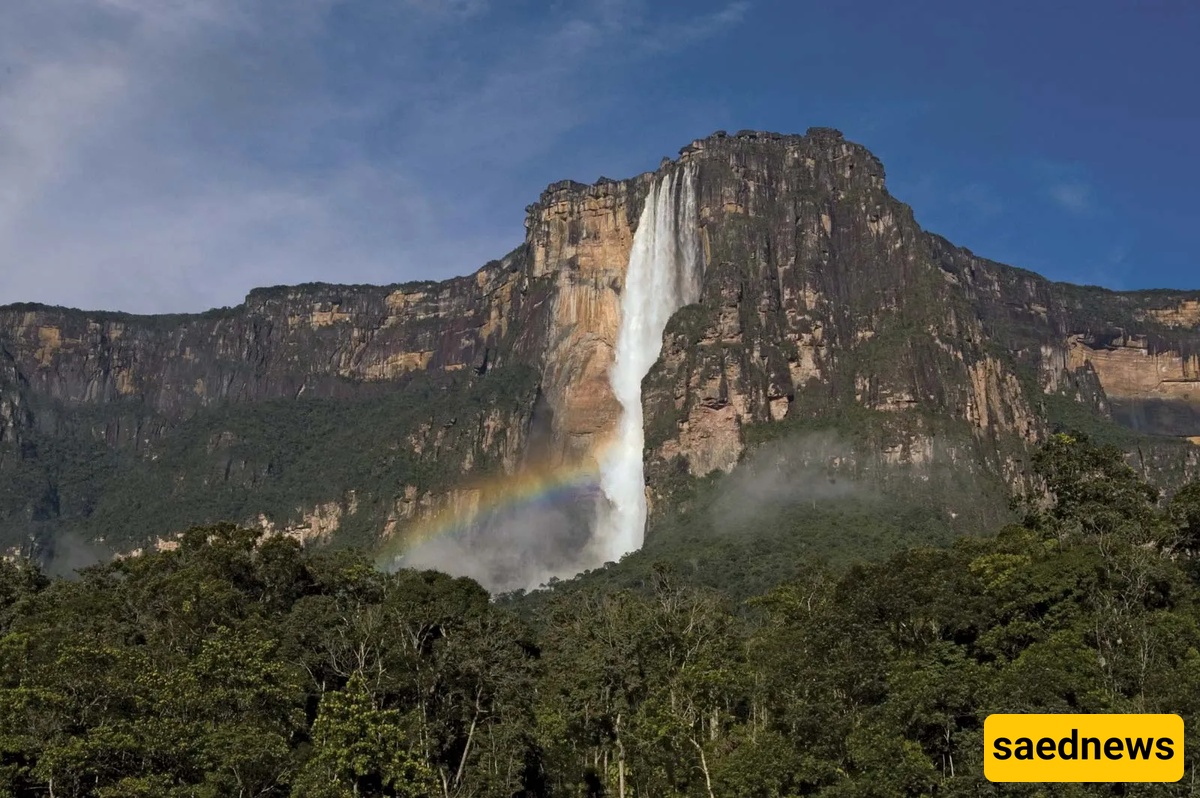
According to Saednews, Angel Falls, also known as Kerepakupai Merú, is widely recognized as the highest uninterrupted waterfall in the world, plunging approximately 979 meters (3,212 feet). It is located deep within Canaima National Park in Bolívar State, southeastern Venezuela. Surrounded by vast forests and remote landscapes, the waterfall remained largely unknown to the outside world until the early 20th century.
Angel Falls rises from a dramatic plateau known as Auyán-tepui, one of the distinctive table-top mountains of Venezuela's Guiana Highlands. Water flows over a cliff near the summit before dropping hundreds of meters through the air and eventually reaching the Churún River.
The waterfall is fed primarily by rainfall. During Venezuela's rainy season, its flow becomes especially powerful, while mist and spray can surround the falls and sometimes obscure the upper section from view.
The surrounding landscape is just as remarkable as the waterfall itself. Canaima National Park is filled with tropical forests, rivers, towering cliffs, and ancient tepui formations, making it one of Venezuela's most extraordinary natural environments.
The waterfall takes its English name from American pilot and explorer Jimmie Angel. In 1935, Angel flew over the region while searching for valuable minerals and reportedly spotted the enormous waterfall.
Later, he returned with his wife and a mountain guide. During the expedition, his aircraft landed on the summit of Auyán-tepui but became stuck in muddy terrain and could not take off again. The group was forced to make the difficult journey back on foot.
Angel's discovery brought international attention to the spectacular waterfall. His aircraft remained on the mountain for many years before eventually being removed by helicopter. Today, the historic aircraft is preserved as a reminder of the expedition.
Although Indigenous communities had known about the waterfall for centuries, Angel's expedition helped introduce it to the wider world. Other explorers also claimed to have seen the falls before Angel, but his name ultimately became permanently associated with the site.
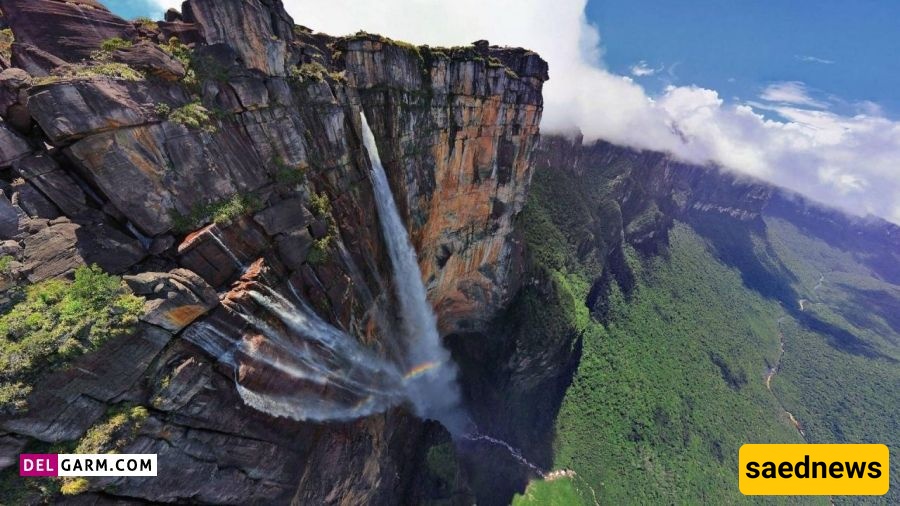
The scale of Angel Falls is difficult to imagine. Its total height is about three times that of the Eiffel Tower, and its uninterrupted plunge is more than 800 meters.
The water begins its descent from the top of Auyán-tepui, falling freely before reaching the lower sections of the waterfall. Strong winds can disperse some of the falling water into mist long before it reaches the river below.
During periods of heavy rainfall, the waterfall can create a fine spray that spreads through the surrounding air. Visitors nearby may even feel the moisture on their skin.
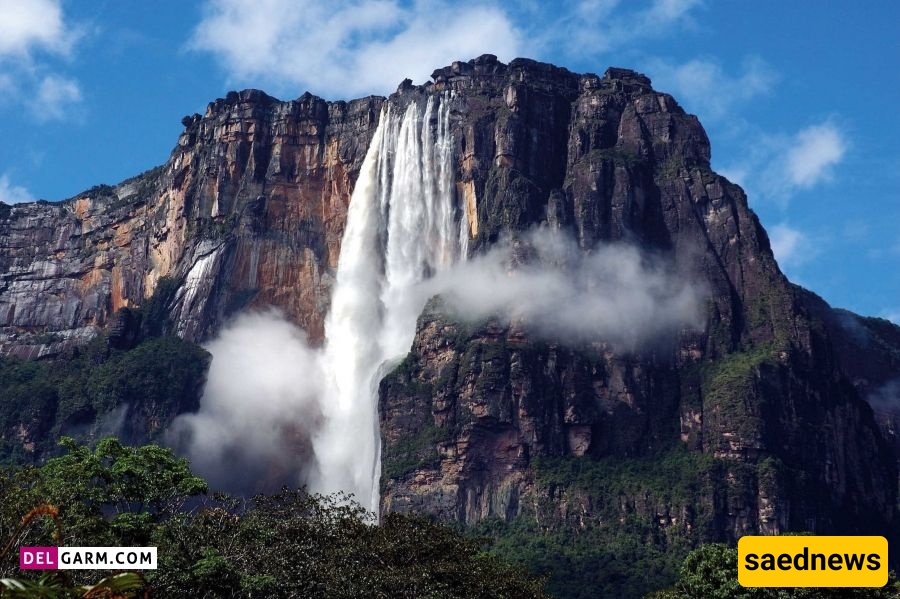
For centuries, the waterfall remained hidden within one of the most inaccessible regions of Venezuela. Its remote location helped preserve the surrounding landscape and contributed to the mystery that once surrounded Angel Falls.
Today, reaching the falls remains an adventure. Visitors generally travel through Canaima National Park by boat and then continue on foot toward viewpoints overlooking the waterfall. The journey itself is part of the experience, taking travelers through dense vegetation, rivers, and dramatic landscapes.
The area also attracts adventurous travelers interested in activities such as hiking, river excursions, climbing, and other outdoor pursuits. Because of the challenging terrain, visiting the waterfall requires preparation and is often undertaken with experienced local guides.
In the local Pemon language, the waterfall is known as Kerepakupai Merú, a name associated with a waterfall or place where water plunges from a great height.
For the Indigenous people of the region, the waterfall and the surrounding tepui landscape have cultural significance that predates its recognition by modern explorers.
Angel Falls lies within Canaima National Park, one of Venezuela's most spectacular protected areas. The park is famous for its tepuis, enormous flat-topped mountains that rise dramatically above the surrounding forests.
The combination of ancient geological formations, tropical vegetation, rivers, and spectacular waterfalls makes Canaima a unique destination for nature and adventure enthusiasts.
The park is also recognized as a UNESCO World Heritage Site.
Height: approximately 979 meters (3,212 feet)
Uninterrupted drop: approximately 807 meters (2,647 feet)
Location: Canaima National Park, Bolívar State, Venezuela
Mountain: Auyán-tepui
River system: The falling water eventually reaches the Churún and Caroní river systems.
English name: Angel Falls
Indigenous name: Kerepakupai Merú
Namesake: American pilot Jimmie Angel
Environment: Tropical rainforest and tepui highlands
Best-known feature: Its enormous uninterrupted vertical drop
Rank | Waterfall | Height | Location |
|---|---|---|---|
1 | Angel Falls | 979 m (3,212 ft) | Venezuela |
2 | Tugela Falls | 948 m (3,110 ft) | South Africa |
3 | Tres Hermanas Falls | 914 m (3,000 ft) | Peru |
4 | Olo'upena Falls | 900 m (2,953 ft) | Hawaii, USA |
5 | Yumbilla Falls | 896 m (2,938 ft) | Peru |
6 | Vinnufossen | 860 m (2,822 ft) | Norway |
7 | Balåifossen | 850 m (2,788 ft) | Norway |
8 | Pu'uka'oku Falls | 840 m (2,756 ft) | Hawaii, USA |
9 | James Bruce Falls | 840 m (2,755 ft) | British Columbia, Canada |
10 | Browne Falls | 836 m (2,744 ft) | New Zealand |
Angel Falls is more than a record-breaking waterfall. It is part of a vast and ancient landscape shaped by towering tepuis, tropical forests, and powerful rivers.
Its extraordinary height, remote location, fascinating history, and connection with the Indigenous cultures of the region have made it one of the world's most remarkable natural landmarks. Hidden deep within Venezuela's wilderness, Angel Falls remains a destination where the scale and beauty of nature can be experienced at its most dramatic.