SAEDNEWS: The Basilica of Bom Jesus in Goa, also known as the Basilica of St. Francis Xavier, preserves the mummified remains of the Spanish missionary. Built between 1594 and 1605, the church houses his body in a glass coffin placed on a high altar.
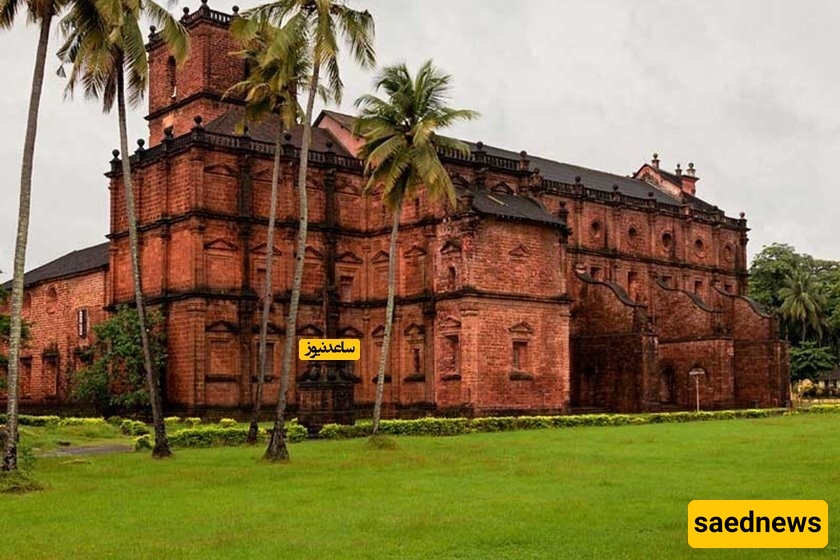
According to the tourism section of SaedNews, the Basilica of Bom Jesus in Goa is one of the most famous churches in the region and, along with other churches in Goa, represents the legacy of Portuguese colonial history. The preserved mummified remains of St. Francis Xavier, the Portuguese Christian missionary who spread Christianity in Goa, are kept inside this church. Built in the early 17th century, the basilica is more than 400 years old and is considered one of the finest examples of Baroque architecture in India. The Basilica of Bom Jesus has also been recognized as a UNESCO World Heritage Site.
The Basilica of Bom Jesus is one of Goa’s most remarkable historical monuments, designed in the Baroque architectural style. It was completed in 1605 and has become an important pilgrimage destination for Christians from different parts of the world. The most significant feature of the basilica is the preserved remains of St. Francis Xavier, one of the most influential Christian missionaries.
The church is also known as the Basilica of St. Francis Xavier and is considered one of the major tourist attractions in India. The presence of St. Francis Xavier’s mummified body gives this historic church in Old Goa a unique spiritual and cultural importance, attracting thousands of visitors and travelers every year.
Construction of the Basilica of Bom Jesus began in 1594 and was completed after 11 years in 1605. The entire construction cost was funded by a Portuguese benefactor.
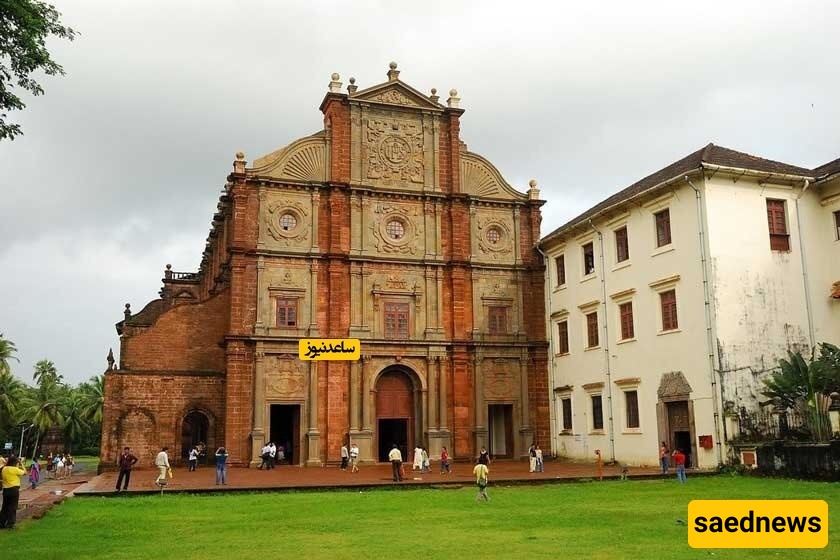
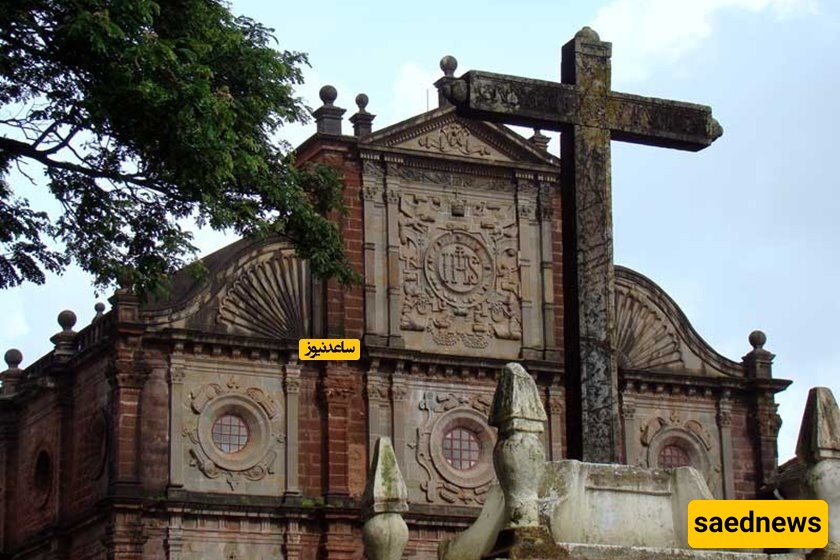
At first glance, the Basilica of Bom Jesus may appear to be a simple structure, but as visitors move closer, its extraordinary beauty becomes increasingly visible. The detailed carvings and artistic designs on the exterior walls represent the grandeur of the Baroque era and are among the finest examples of this architectural style in India.
The intricate patterns carved into black granite and basalt stone create a magnificent appearance that captures the attention of every visitor. The combination of different architectural influences, including Corinthian and Doric styles, gives the exterior of the basilica a unique and impressive character.
The interior design of the church is equally remarkable, featuring delicate decorations, beautiful statues, and a richly decorated golden altar that enhances its spiritual and artistic atmosphere.
Since the Basilica of Bom Jesus is an indoor historical site, weather conditions have little impact on the experience of visiting the church. However, if you also plan to explore other outdoor attractions in Goa, the best time to visit is between November and February.
During this period, Goa enjoys pleasant weather with comfortable temperatures, usually remaining below 28°C, making sightseeing more enjoyable.
The Basilica of Bom Jesus is located about 24 kilometers from Goa International Airport and approximately 10 kilometers from Panaji. Visitors can first travel to Goa and then reach the church by taking a taxi from Panaji or renting a vehicle.
The journey through the Old Goa road takes around 25 minutes. The basilica is located about 600 meters from Gandhi Circle. Those using public transportation can take a bus and get off at the Gandhi Circle stop, which is the nearest bus stop to the church.
The Basilica of Bom Jesus, also known as the Basilica of St. Francis Xavier, is one of India’s most famous and historically significant churches, located in Goa. The church is especially important because it houses the preserved remains of St. Francis Xavier, one of the earliest Christian missionaries in Goa and the Indian subcontinent.
Known for his remarkable journeys across India and Southeast Asia, St. Francis Xavier became a highly respected figure in Christian history. Today, the basilica remains a major religious site and a symbol of Goa’s rich cultural heritage, attracting pilgrims, history enthusiasts, and travelers from around the world.