SAEDNEWS: Zeyrek Mosque is one of Istanbul’s famous mosques, known for its beautiful and distinctive architectural design.
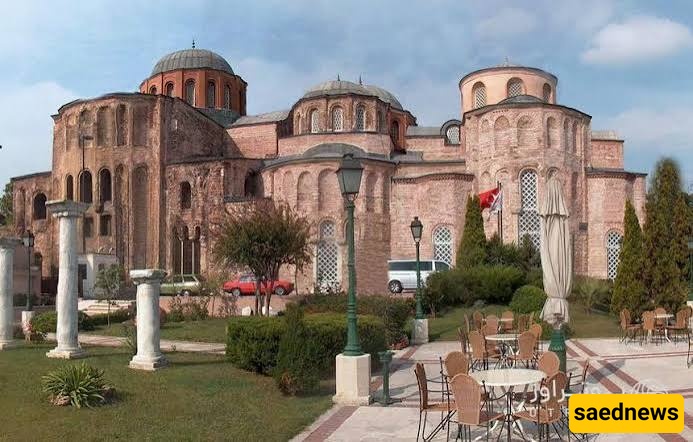
According to Saednews, Zeyrek Mosque in Istanbul is one of the most remarkable examples of Middle Byzantine architecture in Constantinople. This colorful and historically significant structure has undergone several transformations over the centuries, eventually becoming one of Istanbul’s well-known cultural and tourist attractions after experiencing many periods of change.
The mosque holds the distinction of being the second-largest historical religious monument in Istanbul after Hagia Sophia. Fortunately, this historic building survived the Ottoman conquest. Known originally as the Pantokrator Monastery, Zeyrek Mosque was composed of two former Eastern Orthodox churches and a small chapel.
Today, this magnificent complex is included on the UNESCO World Heritage List. As one of Istanbul’s famous historical sites, Zeyrek Mosque attracts many visitors interested in the city’s rich Byzantine and Ottoman heritage.
The mosque is located on the European side of Istanbul, in the Fatih district, within the Zeyrek neighborhood.
Address: Zeyrek, Ibadethane Sk. No:2, 34083 Fatih/Istanbul, Turkey
The nearest bus stop to Zeyrek Mosque is the Unkapanı bus station, located approximately 500 meters away. Visitors can easily reach the mosque from different parts of Istanbul by using bus routes such as D41, D11, D13, and D42.
Visiting Zeyrek Mosque is completely free of charge. The site is open every day of the week from 9:00 AM to 6:00 PM.
The beautiful Fatih district is one of the oldest areas of Istanbul. It is home to some of the city’s most historic and frequently visited landmarks. However, those who explore beyond the main tourist areas can discover hidden gems that reveal another side of Istanbul’s history.
One of these remarkable hidden treasures is the historic Zeyrek Mosque (Turkish: Zeyrek Camii).
The complex was originally built in the early 12th century in Constantinople by the order of Empress Irene, the wife of Emperor John II Komnenos. At that time, it was known as the Pantokrator Monastery, meaning “Almighty.” After Irene’s death in 1124, Emperor John II continued the construction and added another church north of the existing structure.
The complex consisted of three separate religious buildings. The first church was completed by Irene Komnenos in 1118, while the second church was completed in 1124. Today, the mosque contains the tombs of Emperor John II and several Byzantine rulers and members of the imperial family.
After Sultan Mehmed the Conqueror captured Constantinople in 1453, many Byzantine churches were converted into Islamic buildings. The Pantokrator Monastery was transformed into a mosque and an educational institution known as a madrasa.
The mosque was named Zeyrek Mosque in honor of its first scholar and teacher, Molla Zeyrek Mehmed Efendi.
Over time, some students abandoned the madrasa, causing the complex to remain neglected for many years. Until recent decades, Zeyrek Mosque was in poor condition and was added to UNESCO’s list of endangered historical sites in 2004.
In recent years, extensive restoration work has been carried out, allowing this important monument to regain its historical importance after years of deterioration.
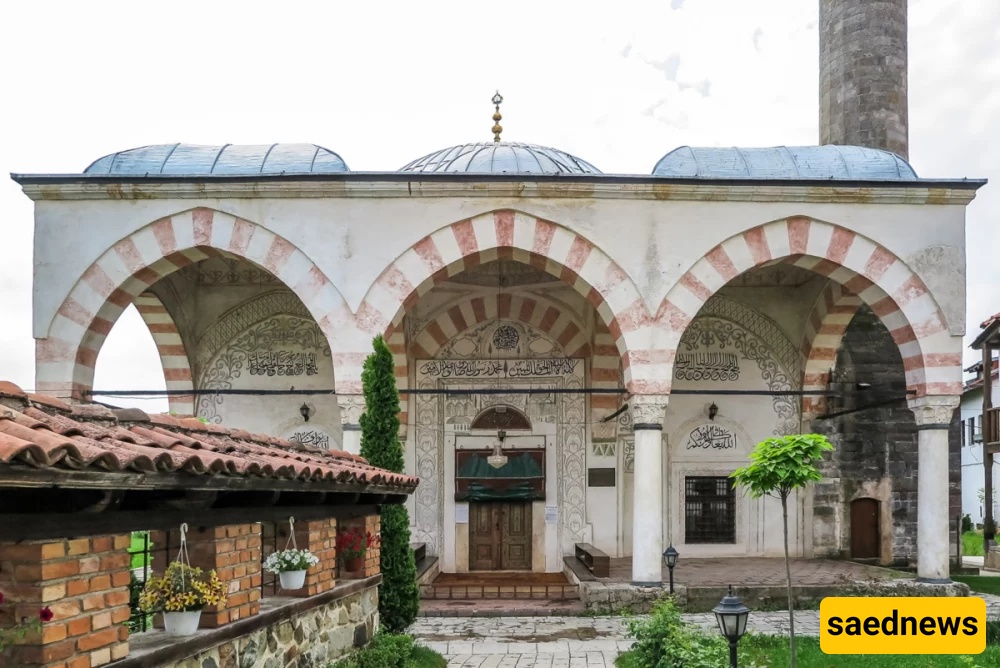
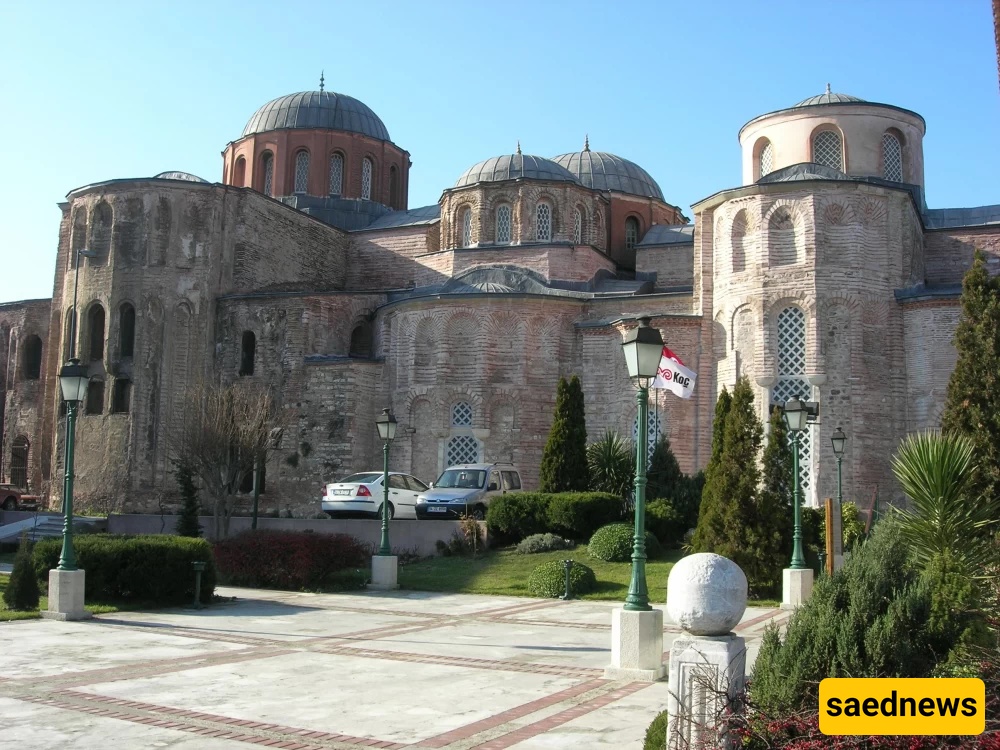
The architecture of Zeyrek Mosque represents a fine example of Byzantine-era construction. The main structures were built using brick and stone, with carefully arranged brickwork reflecting traditional Byzantine techniques.
The artistic floor decorations and tile details enhance the beauty of the interior. The mosque features one minaret and five elegant domes, creating a distinctive silhouette within Istanbul’s historic skyline.
Originally, the Pantokrator Monastery later became an imperial burial site of the Byzantine Empire. Emperor John II, Empress Irene, Queen Bertha of Sulzbach, and Emperor John V Palaiologos were among those buried within the complex.
The hospital of the Pantokrator Monastery was one of the largest and most important medical centers of the Middle Ages. According to some historical accounts, one of the earliest eye surgeries was performed there.
For many years, Zeyrek Mosque was listed among the 100 most endangered cultural heritage sites. However, the complex has been carefully restored through the efforts of the Koç Foundation.
The mosque underwent restoration work in 1966, followed by more extensive conservation projects in recent years to preserve its unique historical character.