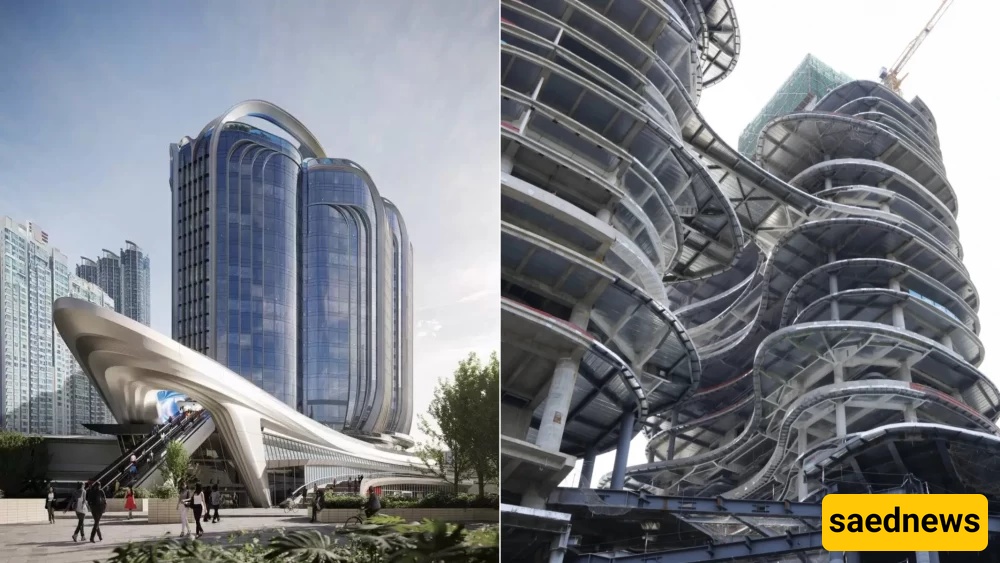
SAEDNEWS: Shenzhen Yidan Center, a masterpiece by architect Zaha Hadid, is now nearing completion. Featuring a flowing, wave-like architectural form and a groundbreaking spatial concept, the complex will combine office spaces, exhibition areas, and collaborative zones.
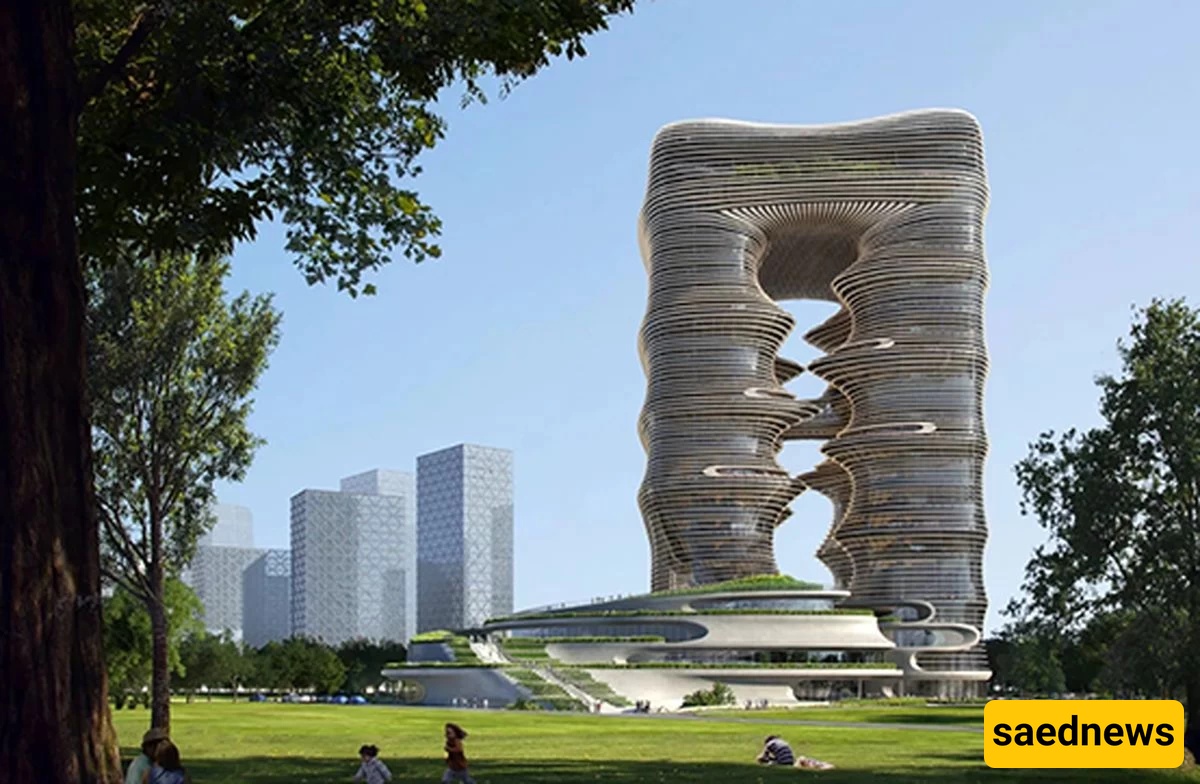
According to Saednews, In the world of modern architecture, buildings play an important role as symbols of culture and social identity. One of the most outstanding examples of such innovative design is the Wave Building in Shenzhen, China. This remarkable structure is not only known as an office and commercial space but also as a major tourist destination. Due to its unique and distinctive design, it has become a symbol of progress and innovation in Chinese architecture. This article explores the features, advantages, and impacts of the Shenzhen Wave Building.
The Shenzhen Wave Building clearly draws inspiration from the shapes and movements of water. This design is not only visually appealing but also reflects a deep connection between humans and nature. The architects of this project have used sustainable design principles to minimize negative environmental impacts.
The building consists of multiple floors with a dynamic design that gives it a flowing, wave-like appearance. Large glass panels on the façade allow natural light to enter, creating a bright and pleasant interior space. The interior design also uses eco-friendly materials and advanced technologies to provide a comfortable and efficient environment for occupants.
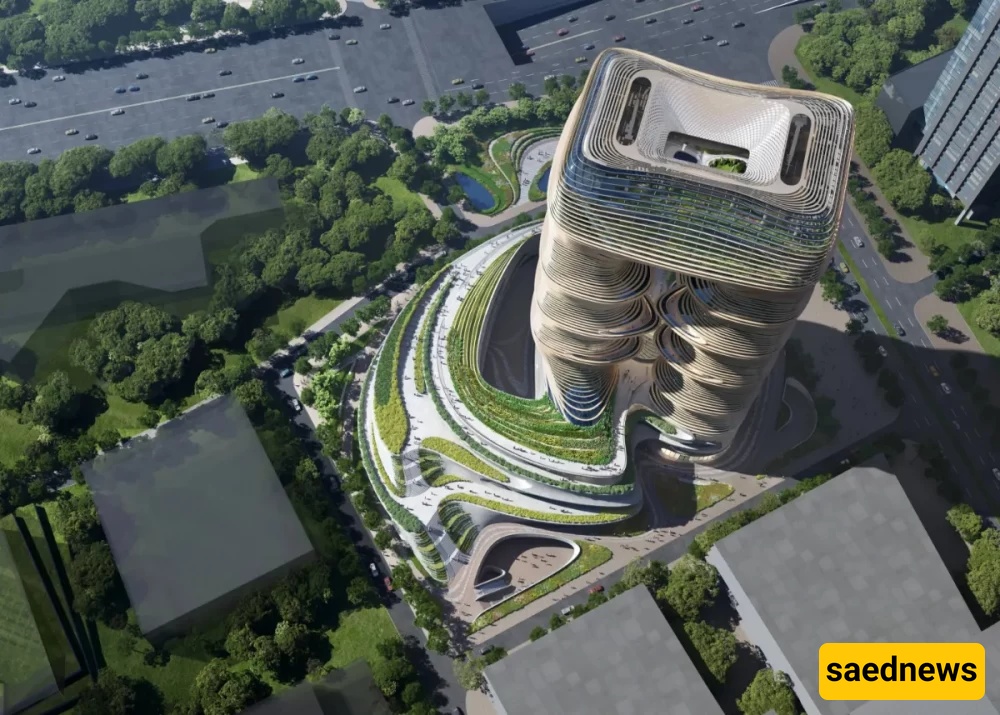
Modern technologies play a significant role in the design and construction of this building. Smart building management systems, intelligent windows, and advanced HVAC systems all contribute to making it one of the best examples of green architecture in the world.
As a commercial and office center, the Wave Building has attracted significant attention from both domestic and international investors. This has contributed to regional economic growth and created new job opportunities. Increased tax revenue from the building also supports urban infrastructure development.
Due to its unique design and striking appearance, the building has become one of Shenzhen’s main tourist attractions. Visitors from around the world travel to see this architectural landmark, boosting tourism and positively influencing local culture and identity.
The Wave Building is not only a commercial hub but also a symbolic landmark of Shenzhen. It gives local residents a sense of pride and represents sustainable urban development. It also serves as a reference point in the city’s landscape, strengthening social connections.
One of the main challenges of modern buildings is the high cost of construction and maintenance. The Wave Building is no exception, and these costs may concern some investors and affect return on investment.
Although designed with green technologies, environmental concerns still exist. The extraction of raw materials and the energy required for construction and maintenance may still have negative environmental impacts.
Some critics believe that the building’s modern design may not align with local culture and identity. They argue that such futuristic architecture could contribute to the loss of historical and cultural heritage in the city.
The Shenzhen Wave Building is a remarkable example of contemporary architectural design, representing innovation and progress in modern architecture. It functions not only as a commercial and office center but also has a significant positive impact on the local economy and society. Despite existing challenges and criticisms, it remains a symbol of sustainable development and modern urban identity in China.
In the future, with the growing importance of sustainable and innovative architecture, similar buildings are expected to emerge more frequently, improving the quality of urban life and inspiring other cities worldwide.