SAEDNEWS: The Krik Suspension Bridge is discussed in this article, covering its history, description, location, geology, wildlife, visitor information, and interesting facts about this site.
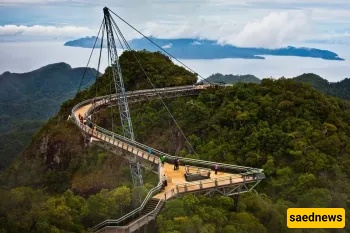
According to Saednews, The Carrick-a-Rede Rope Bridge in Northern Ireland is one of the most famous tourist attractions on the northern coast of Ireland. Suspended about 30 meters above the Atlantic Ocean, it offers an exciting and unforgettable experience. The original bridge was first built by salmon fishermen in the 18th century and is now managed by the National Trust. With breathtaking views of Rathlin Island and the Scottish coastline, along with rich history and natural beauty, it has become a popular destination.
The Carrick-a-Rede Rope Bridge is one of Northern Ireland’s iconic tourist landmarks. With its stunning natural scenery and deep historical roots, it attracts hundreds of thousands of visitors each year. Hanging above the Atlantic Ocean, it is not only a simple engineering structure but also a symbol of traditional fishing life and humanity’s relationship with the rugged coastal environment.
The history of the bridge dates back more than 350 years. The first version was built in 1755 by local salmon fishermen to access the small island of Carrick-a-Rede for fishing. The island’s name comes from the Irish “Carraig a’ Ráid,” meaning “rock on the road,” referring to its position along salmon migration routes.
During the 19th and early 20th centuries, several versions of the bridge were built, but they were often dangerous. For example, in the 1970s, the bridge had only one handrail and widely spaced planks.
In 2000, a stronger replacement bridge was constructed with the help of local climbers and could hold up to 10 tons. Later versions were built in 2004 and 2008 by Heyn Construction in Belfast, costing over £16,000. These modern bridges use steel ropes and Douglas fir wood. In 2017, the bridge was briefly closed due to vandalism but quickly repaired.
Today, due to the sharp decline in salmon populations (from around 300 fish per day in the 1960s to only about 250 per entire season in 2002), the bridge is no longer used for fishing and serves mainly as a tourist attraction. Salmon once migrated through this area to rivers such as the Bann and Bush, but environmental changes disrupted this cycle.
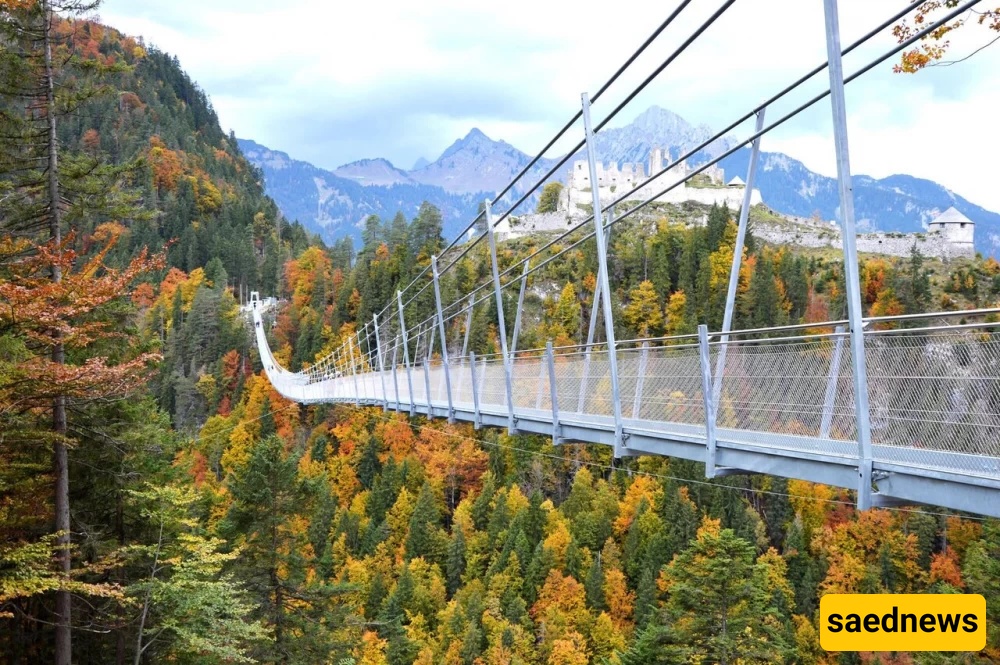
The Carrick-a-Rede Rope Bridge is a simple suspension bridge approximately 20 meters long, 1 meter wide, and 30 meters above sea level. It connects the mainland to the small island of Carrick-a-Rede and can hold up to 8 people at a time.
On clear days, visitors can see panoramic views of Rathlin Island and even the Scottish coast. Beneath the bridge are large sea caves that once provided shelter for boat builders and fishermen during storms.
The bridge is located near the village of Ballintoy in County Antrim and is part of the famous Causeway Coastal Route. It is about 7 miles from the Giant’s Causeway.
Carrick-a-Rede is an excellent example of a volcanic plug in Northern Ireland. The island formed through marine erosion, exposing the neck of an ancient volcano. The area contains tuff, explosive breccia, volcanic ash, and other materials formed during intense volcanic activity around 60 million years ago.
The cliffs are mainly basalt, with a base of Ulster chalk. A dolerite volcanic pipe formed harder rock that erodes more slowly. Behind the island, the crater is filled with pyroclastic rocks, mainly coarse tuff agglomerates. The combination of hard and soft rock layers, along with long-term wave erosion, created the island’s distinctive shape.
Because of its geological importance, the area is designated as an Area of Special Scientific Interest.
The area is recognized for its unique flora and fauna. Historically, salmon migration was a key feature, though populations have now significantly declined.
Seabirds, coastal plants, and marine ecosystems are important parts of the environment. The caves beneath the bridge provide habitats for various marine animals and birds.
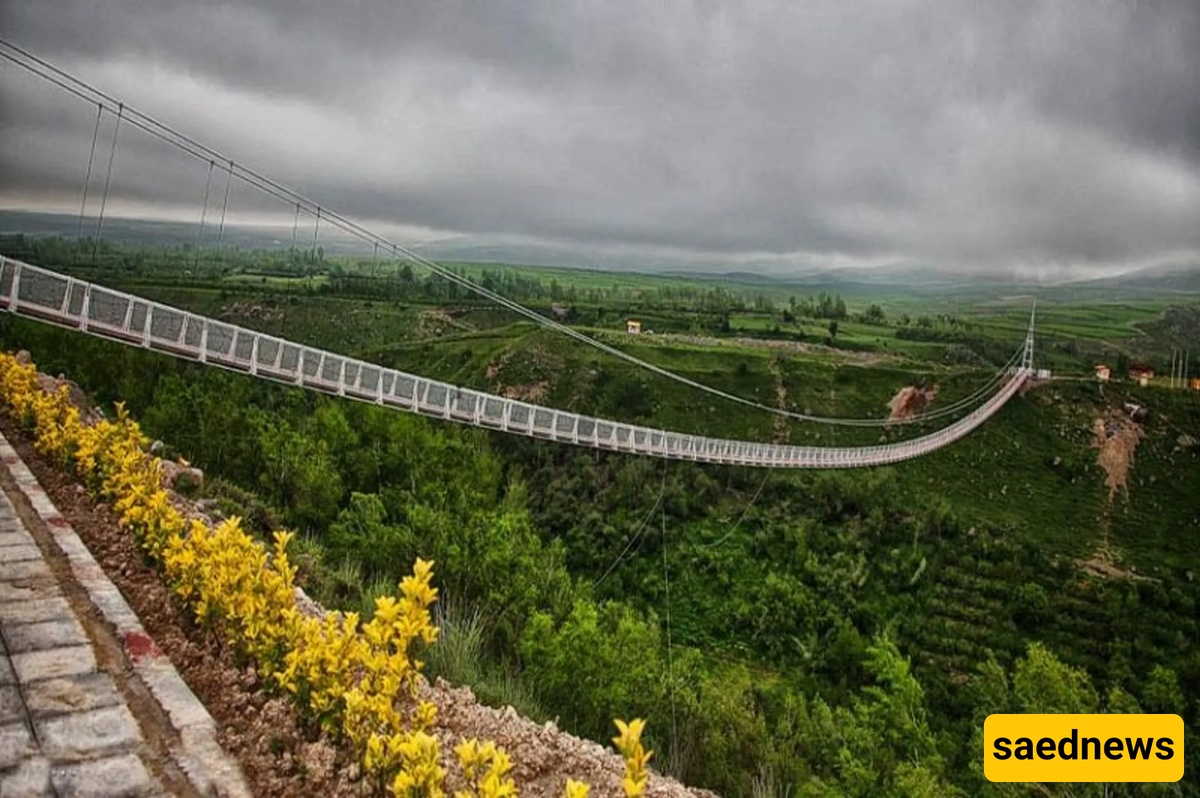
The bridge is managed by the National Trust and is open year-round depending on weather conditions.
In 2018, it attracted over 485,000 visitors.
Entry is free for children under 5.
Parking is free with a ticket, otherwise paid.
Online booking is required and closes one hour before the selected time slot.
Coast: sunrise to sunset
Parking and bridge: 10:00 AM – 4:00 PM
Bridge crossing allowed until 2:30 PM
Café and tea room with drinks and snacks
Toilets
Dogs allowed on site (on leash, but not on the bridge)
By car via the B15 road
By bus from Coleraine or Belfast
By bicycle via NCN93 route
Accessibility can be challenging for people with mobility issues due to the terrain leading to the bridge.
On busy days, boats may be used to assist visitors who cannot return via the bridge.
The bridge has appeared in literature, including works by Letitia Elizabeth Landon (1832) and Seamus Heaney (1978). Salmon fishing in the area has been recorded since 1620.
Today, the bridge is considered a symbol of courage, offering a thrilling experience for visitors who cross it.
It is a rope suspension bridge connecting the mainland to Carrick-a-Rede Island, originally built in 1755 by salmon fishermen to access fishing grounds along salmon migration routes.
It is about 20 meters long, 1 meter wide, and 30 meters above sea level. It can hold up to 8 people at once and is made of steel ropes and Douglas fir wood.
It is located near Ballintoy in County Antrim, Northern Ireland, along the Causeway Coastal Route, about 7 miles from Giant’s Causeway. Access is by car, bus, or bicycle.
Ticket prices in recent years range from about £13.50 to £15.50 for adults depending on the season. Children receive discounts, and National Trust members enter free. Booking online is required.
The modern bridge is very safe and can support up to 10 tons. It has handrails and closely spaced planks. However, it may be challenging for those with a fear of heights and may close in strong winds.
Carrick-a-Rede Rope Bridge is more than just a structure—it is a link to Northern Ireland’s past, its rugged coastal environment, and the traditions of local fishermen. Visiting it offers a memorable experience filled with scenery, history, and adventure.