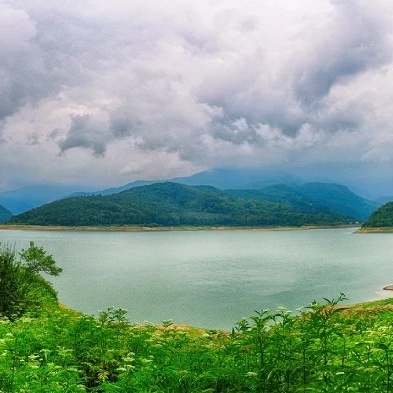
SAEDNEWS: Shirvan County lies in a mountainous region. The Kopet Dagh range runs northwest to southeast, with peaks reaching 3,000 meters, including Shah Jahan Peak at 3,020 meters above sea level.
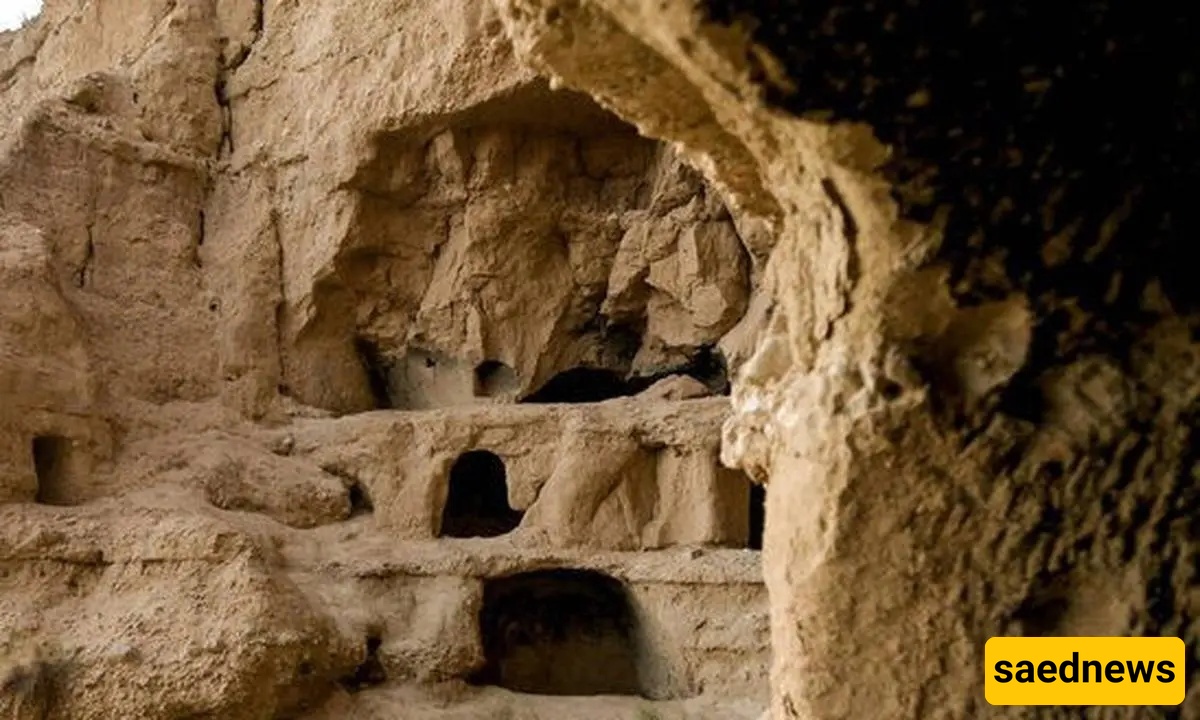
Shirvan County, the second-largest city in Northern Khorasan in both population and area, is home to numerous tourist attractions, including its famous caves, which draw many travelers and Nowruz visitors every year.
According to historical records in the Avesta, the first inhabitants of Greater Khorasan were the Saka and Dahae tribes. With the arrival of the Aryans and the intermingling of these peoples, the Parthian ethnicity emerged. Around 250 BCE, the first organized social communities appeared in the Shirvan region.
Geographically, Shirvan lies within a mountainous area. The Kopet Dag mountain range stretches from the northwest to southeast, north of Shah Jahan in southern Shirvan. Some peaks in Kopet Dag reach heights of up to 3,000 meters, with Shah Jahan Peak rising 3,020 meters above sea level. The parallel alignment of these ranges has created valleys where major cities like Shirvan, Faruj, Quchan, and Chenaran have developed.
Shirvan’s historical, natural, and cultural resources—from ancient human settlements to UNESCO-listed sites, traditional rituals, local cuisine, and natural attractions—offer strategic advantages for tourism development. With proper planning, these resources could become drivers of employment, social vitality, and economic growth in the province.
The Henameh Caves in Shirvan are a hand-carved architectural complex located 18 kilometers north of Shirvan city in the Sīvkanlu Rural District. Built on a mountainside near the village of Henameh, the caves are arranged in three tiers and rise approximately 1,445 meters above sea level.
Historically, these caves housed a significant portion of the local population. The caves are carved into a cliff known as Garmeh Darreh, about 100 meters above the valley floor. Each level’s ceiling serves as the floor for the level above, made from a naturally dense sandy layer 50–100 centimeters thick. Access from the top of the mountain is impossible, and a seasonal river at the base provided water to the inhabitants.
The third level contains fewer but larger rooms, likely used as storage, with all architectural elements, including feeding troughs and hearths, carved directly from the rock. Today, around 20 rooms remain intact, while others have collapsed over time.
Registered in the national heritage list in 2007 (No. 22214), these caves date back to the early Islamic centuries (3rd–5th century AH). With careful development, including tree planting and camping facilities, the Henameh Caves could become a major tourist destination in Shirvan.
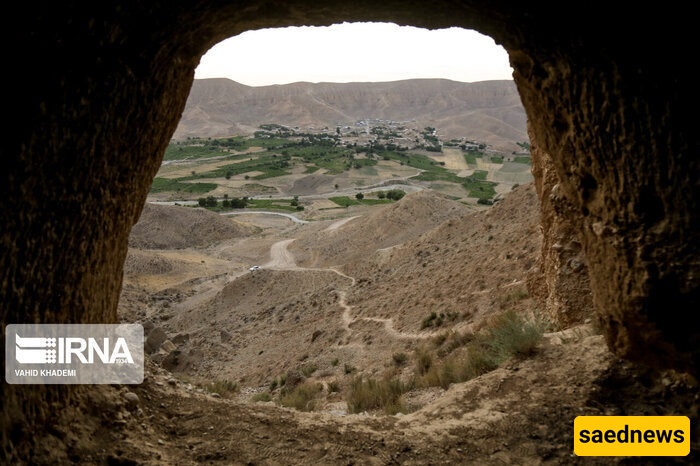
Located 23 kilometers south of Shirvan in the village of Golian, Kafer Qal’eh Cave was historically a residential shelter. Situated 50 meters above the valley floor, it lies five kilometers southwest of Golian, along a broad valley through which the road to Borzali passes.
Surrounding the cave are stone walls and remnants of masonry, with a small ancient cemetery at the base, confirming its residential use. The cave once featured large halls, some of which contained antique items and manuscripts. Further archaeological and geological study is needed. Golian village, known for its multi-story houses, springs, and notable figures, attracts many tourists each year, making the cave a popular site.
Astrakhi Cave, 28 kilometers south of Shirvan in Astrakhi village, is set near a 25-meter waterfall. Its pristine spring and summer scenery attract numerous visitors. Previously, the cave featured many stalactites, but most were removed or damaged by uninformed visitors. Human interference has even partially blocked the entrance.
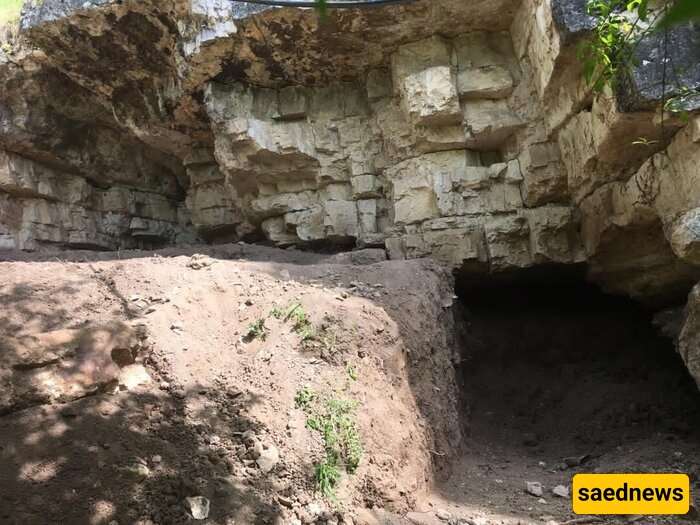
Poostinduz Cave, six kilometers northeast of Lujli (the Sarhad district center) and 32 kilometers from Shirvan, draws many tourists annually. Named after the nearby abandoned Poostinduz village, the cave sits 1,300 meters above sea level and 150 meters above Lujli. Its large, domed entrance faces the Qibla and gives the impression of a gateway.
Composed of limestone, the cave has numerous interconnected passages and chambers, making navigation challenging. Even experienced spelunkers can lose their way, so visiting without a guide is risky for the untrained.
Shirvan County boasts around 200 historical sites, including mounds, buildings, baths, and natural landmarks, of which 62 have been nationally registered. With a population of approximately 157,000, Shirvan is the second-most populous city in Northern Khorasan.