SAEDNEWS: D&C (Dilation and Curettage) is a type of therapeutic and surgical procedure used to remove remnants of the fetus and tissue from the uterus. This treatment method is performed to address many issues related to women's uterine health.
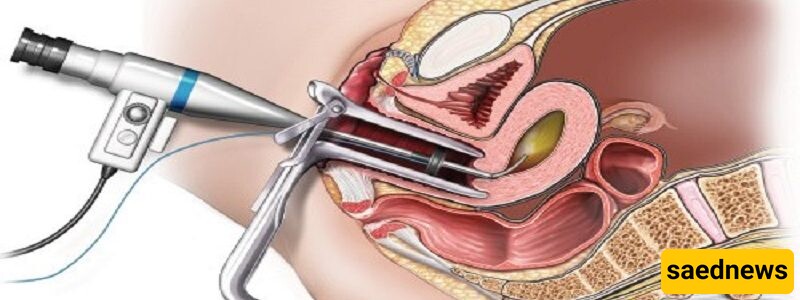
According to SAEDNEWS, D&C is considered a therapeutic method to maintain uterine health. In cases where the uterus is filled with uterine tissue after childbirth, a miscarriage, or due to certain diseases such as cancer, and needs to be emptied quickly, D&C is helpful. In this procedure, tissue that is extra in the uterine space and may lead to infection is removed using suction. If you have recently had a miscarriage and the doctor has diagnosed retained fetal tissue or have a uterine-related condition, you should consider D&C to remove the remnants. Make sure to have the procedure performed under the supervision of an experienced specialist to minimize potential complications.
What is D&C (Curettage)?
D&C is a method for removing tissue from inside the uterus. Specialists perform this procedure for certain uterine conditions, such as heavy bleeding or cleansing the uterine lining after a miscarriage or for performing an abortion. If D&C is done with the intention of an induced abortion, it is considered a crime and is also prohibited in Islam. Only under specific circumstances does Iranian law permit D&C for abortion.
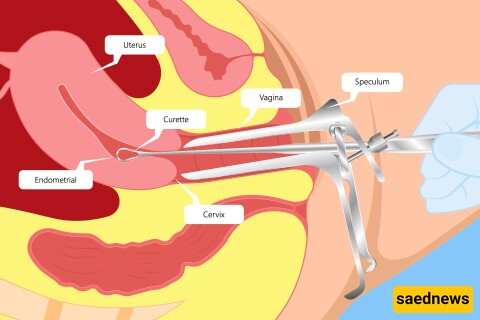
During D&C, small tools or medications are used to open the narrow part of the uterus (the cervix). A surgical instrument called a curette, which may be a sharp tool or suction device, is then used to remove tissue from the uterus. This procedure can be diagnostic or therapeutic, such as for abnormal bleeding. It may also be performed to identify the cause of abnormal or excessive uterine bleeding, to diagnose cancer, or as part of infertility investigations. Suction may be used in this process to remove the contents of the uterus. If the fetus or other tissue is not naturally expelled after a miscarriage, suction may be used to prevent infection or heavy bleeding.
If a miscarriage occurs in the first trimester, it may take 7 to 14 days for the tissue to be naturally expelled. This is referred to as "expectant management." If bleeding and pain decrease or stop during this time, it usually indicates that the miscarriage has been completed.
Types of D&C:
Diagnostic D&C
Before performing a diagnostic D&C, the medical team may recommend an endometrial biopsy or sampling to diagnose uterine diseases. Endometrial sampling may be done for the following:
Abnormal uterine bleeding: This method helps identify the cause of vaginal bleeding.
Bleeding after menopause (What are the symptoms of menopause?).
Abnormal endometrial cells detected during a routine Pap smear (Is cervical cancer deadly?).
Therapeutic D&C
In therapeutic D&C, the doctor removes not just a small sample of tissue but the entire content inside the uterus. Therapeutic D&C is performed for the following purposes:
To prevent infection or heavy bleeding due to retained fetal tissue after a miscarriage.
To remove a tumor that forms in place of a normal pregnancy, known as a molar pregnancy.
To remove retained placenta and manage excessive bleeding after childbirth.
To remove cervical polyps or treat uterine polyps, which are usually benign.
Miscarriage D&C
This procedure involves clearing tissue left in the uterus after a miscarriage or during the miscarriage process to prevent infection or heavy bleeding.
Evacuation D&C
In evacuation D&C, a tumor that forms instead of a normal pregnancy is removed. This is known as a molar pregnancy.
Uterine Polyp D&C (Thickened Uterine Wall D&C)
In this type, cervical polyps, which are usually benign, are removed by the medical team.
Who should undergo D&C?
D&C is primarily a diagnostic method for endometrial sampling. However, it may also be used for conditions such as an incomplete miscarriage in women experiencing these issues.
About half of the women who miscarry may not need a D&C. If a miscarriage occurs before the 10th week of pregnancy, it is more likely to resolve on its own without problems. After the 10th week of pregnancy, the risk of an incomplete miscarriage increases, and in such cases, D&C is recommended.
Generally, there are no specific restrictions for different individuals, but the need for the procedure should be determined by a medical specialist.

How D&C is Performed:
D&C may be done in a doctor's office, as an outpatient procedure, or with hospitalization. In some cases, general anesthesia may be used, or spinal or epidural anesthesia may be employed. If spinal or epidural anesthesia is used, you will not feel anything from the waist down. The anesthesiologist will continuously monitor your heart rate, blood pressure, breathing, and oxygen levels during the procedure.
Before the procedure, you will be asked to change into a hospital gown and empty your bladder. You will be positioned on an examination chair with your legs spread for a pelvic exam, and a urinary catheter may be inserted. The doctor will use an instrument called a speculum to separate the walls of the vagina, which will reveal the cervix. After disinfecting the cervix and numbing the area, the cervix is dilated using a series of thin rods, each larger than the previous one. This gradually opens the cervix to allow the curette (spoon-shaped surgical instrument) to be inserted.
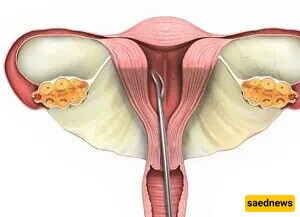
The curette is then passed through the cervix into the uterus, and the sharp edges of the curette scrape the uterine walls to remove tissue. In some cases, suction may be used to remove the tissue.
D&C typically lasts 10 to 15 minutes. Recovery time may take a few hours, and then you can go home.
Preparation before D&C:
Before the procedure, consider the following:
Avoid eating or drinking on the day of the surgery.
Visit your doctor the day before to allow the use of gel for starting the cervix dilation process.
If you are employed, it is advisable to take one or two days off.
Take a shower before the procedure.
Do not use lotions, perfumes, deodorants, or nail polish.
Post-Procedure Care After D&C:
Care tips after D&C include:
Walking after D&C: Even if you feel comfortable, avoid heavy exercise for 1 week after the procedure, as intense physical activity can increase bleeding and cramping. If you experience these symptoms, reduce your activity for a few days.
Sexual intercourse after diagnostic D&C: Generally, women recover quickly after D&C and can resume normal activities within 1-2 days. However, you should avoid inserting anything into the vagina, including sexual intercourse, for 2 weeks post-D&C.
Exercise after D&C: Some women may feel good immediately and prefer to return to their normal activities, while others may need more time. Let your body guide you. Regardless of how good you feel, it is essential not to engage in heavy exercise for 1 week after the procedure.
Diet after D&C: You can continue your usual diet after D&C. If your stomach feels upset, try mild, low-fat foods like plain rice, grilled chicken, toast, and yogurt. Drink plenty of fluids unless advised otherwise by your doctor.
Foods to eat after D&C: After D&C, consume protein-rich foods, as they aid in recovery. Include milk, cheese, lentils, fish, and eggs in your diet. Iron-rich foods and a multivitamin with iron can also help replenish iron levels lost during bleeding. Foods rich in iron, such as meat, eggs, and seafood, as well as plant-based options like beans, greens, and grains, should also be included in your post-D&C diet.
Complications of D&C:
Although complications from D&C are rare, there are potential risks, including:
Uterine perforation: This occurs when the surgical instrument causes a hole in the uterus, which is more common in women who have recently been pregnant or those who are post-menopausal. However, most perforations heal on their own, although a second procedure may be needed if a blood vessel or organ is damaged.
Cervical injury: If the cervix tears during the procedure, the doctor may apply pressure or use medication to stop the bleeding or close the wound with stitches. Softening the cervix before D&C with medication can reduce this risk.
Scar tissue on the uterine wall: This rare complication, known as Asherman’s Syndrome, may occur after a miscarriage or childbirth. It can cause irregular or painful menstrual cycles, future miscarriages, and infertility, but it can often be treated surgically.


Bleeding after D&C: Spotting or mild vaginal bleeding for a few days after the procedure is normal. You may be advised to avoid showering, using tampons, or having intercourse for 2-3 days, or as directed by your doctor.
Abdominal pain after D&C: Mild cramping or discomfort is common after D&C. You can use painkillers like paracetamol or panadeine as directed by your doctor to ease discomfort.
Infection: Infections after D&C are rare but possible.
Heavy bleeding: If bleeding is severe enough that you need to change a sanitary pad every hour, contact your doctor.
Dizziness, persistent lightheadedness, fever, or muscle cramps lasting longer than 48 hours may require medical attention.
When will I get my period after D&C?
Your next period typically starts 3 to 6 weeks after the procedure. It may be heavier than usual. If you were using oral contraceptives before the procedure, continue taking them as usual. Your period will start once you finish the pack of pills.
Cost of D&C:
The cost of D&C can vary depending on your doctor, clinic, or hospital. You should consult your healthcare provider for specific pricing information.
If you are experiencing complications from D&C or if your doctor has recommended this treatment, you should consult with a specialist. Delayed or prolonged complications from D&C can pose risks, so prompt attention and treatment are essential. If you experience any of the symptoms mentioned or have concerns, seek immediate medical attention.