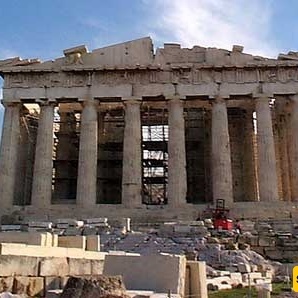
SAEDNEWS: The Acropolis is one of Greece’s most popular tourist attractions, a historic landmark located in Greece, and a symbol of the country’s ancient heritage.
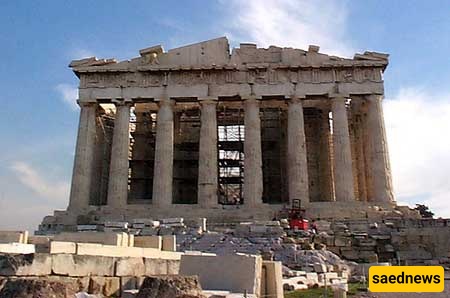
According to Saednews, The word Acropolis comes from the Greek language and means “High City” or “Sacred Rock.” Acropolises can be found in Greece and in other parts of the world.
Although there are several other acropolises in Greece, the Acropolis of Athens is so significant that the name Acropolis has become synonymous with this particular monument.
It is located on a flat rocky hill, approximately 150 meters above sea level, within the city of Athens. In ancient times, it was known as Cecropia, a name derived from the legendary half-man, half-serpent named Cecrops (or Kekrops), who was believed to be the first king of Athens.
The Acropolis is considered one of the world's most famous historical and archaeological sites. Although the word Acropolis is a general term for an ancient urban settlement in Greece, today the most famous example is the one located in the heart of Athens, overlooking the Plaka district.
The Acropolis is one of Greece's most popular tourist attractions.
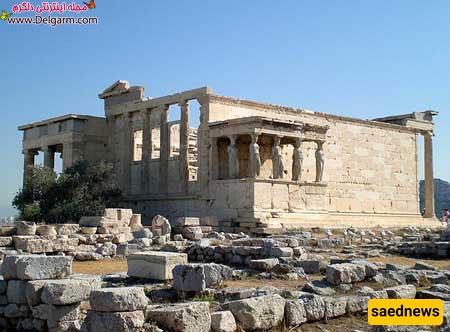
Located northeast of the Parthenon, the Acropolis stands at the highest point of the city, approximately 150 meters above sea level.
From an architectural perspective, the Acropolis is a steep rocky outcrop that forms one of the most recognizable landmarks of Athens. Most of its famous structures were built during the 5th century BC. Today, it is one of the world's most important cultural heritage sites. Its history dates back to the Late Bronze Age, and it represents one of the finest examples of classical Greek architecture.
Today, people around the world admire this remarkable architectural masterpiece. However, it is interesting to note that some contemporary architects considered it an insignificant work during its own time.
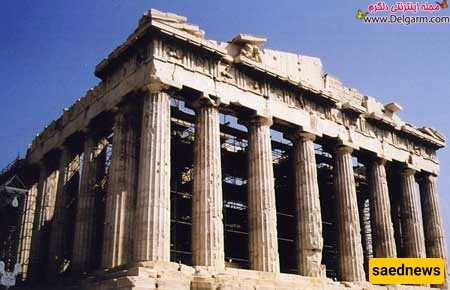
At the heart of the Acropolis stands the magnificent Parthenon Temple. The word Parthenon means “the residence of virgins.” The temple was built in honor of Athena, the goddess and protector of the city.
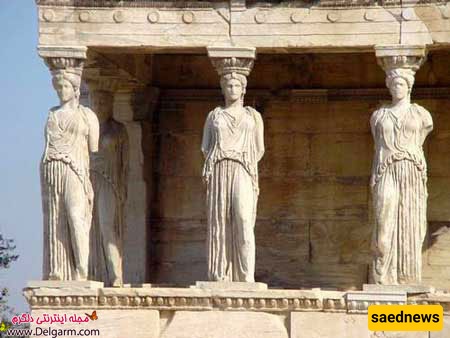
Other remarkable features of the Acropolis include female statues used as architectural columns, as well as an impressive museum displaying magnificent sculptures and ancient works of art.
In 1687, approximately 2,000 years after the construction of the Acropolis, a stray cannonball struck the Parthenon, causing part of its roof to collapse.
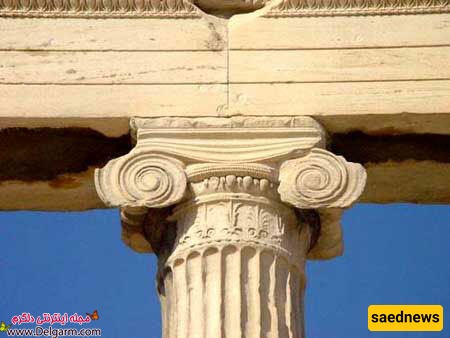
Furthermore, in 1880, without the consent of the Greek government, valuable marble sculptures from the Acropolis were transferred to the British Museum in London. Some of these priceless artifacts later suffered deterioration and damage due to air pollution.
Every four years, the people of Athens celebrate a festival called the Panathenaia, which is similar in some ways to the Olympic Games. During the festival, participants march together through Athens, climbing up to the Acropolis and entering the Parthenon.
There, a long, handwoven woolen garment called a Peplos was ceremonially presented and placed on the magnificent ivory-and-gold statue of Athena, created by the famous sculptor Phidias.
This valuable historical monument was officially designated a European Heritage Landmark on March 26, 2007.