SAEDNEWS: Basil in Traditional Medicine: Benefits of Green and Purple Basil, Basil Seeds and Dried Basil, Temperament, Uses, and Key Precautions
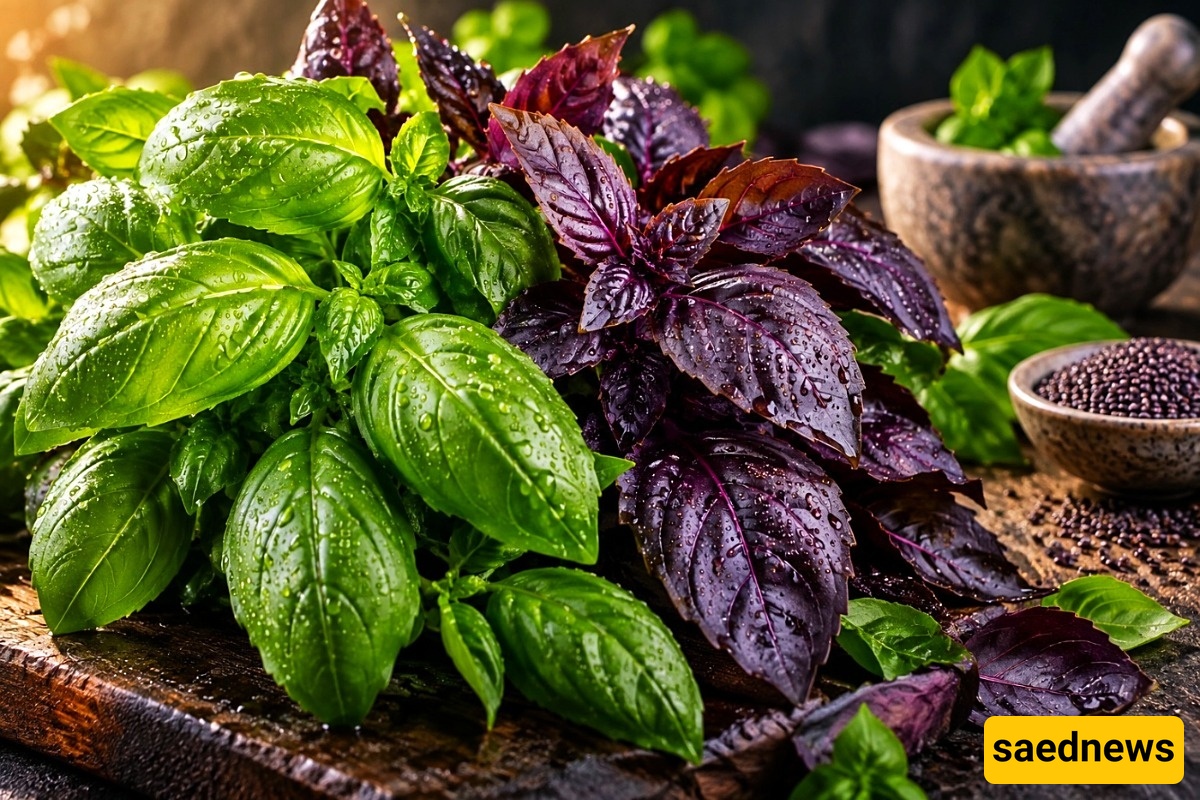
According to Saednews, Basil, also known by names such as sweet basil and wild basil in some regional traditions, is an aromatic herb belonging to the mint family. It is commonly consumed in both green and purple varieties. Basil has a well-established place in traditional medicine, where different parts of the plant—including its leaves, stems, and seeds—are used in various ways.
This article explores the traditional properties of basil, its potential health benefits in traditional and Islamic medicine, the benefits of basil seeds and dried basil, and important precautions and contraindications.
Green and purple basil share many health-promoting properties, but their plant compounds differ somewhat. The most notable difference is that purple basil contains higher levels of anthocyanins, pigments responsible for its purple color that also have antioxidant properties.
Purple basil is therefore richer in anthocyanins and may contribute more to protecting cells against oxidative stress. Green basil is also rich in phenolic compounds and aromatic substances such as eugenol and linalool, which are associated with the herb’s anti-inflammatory, antioxidant, and antimicrobial properties.
For everyday consumption, the differences are not substantial enough to make one variety a complete replacement for the other. Purple basil offers an advantage in terms of antioxidant pigments, while green basil generally has a milder aroma and flavor.
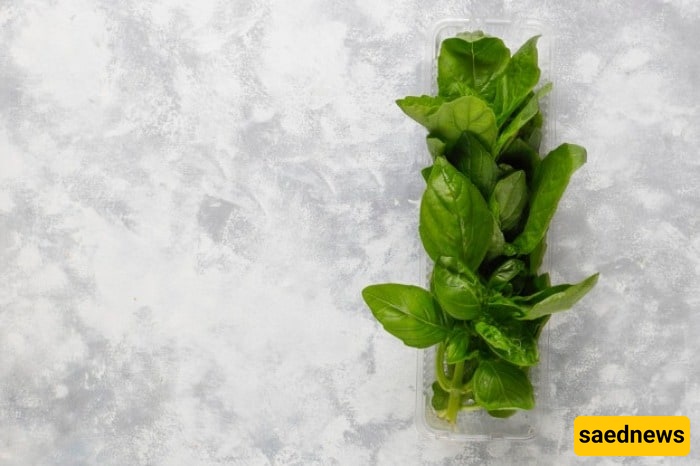
Basil is very low in calories but contains vitamin K, some vitamins A and C, manganese, and antioxidant plant compounds.
Two tablespoons of chopped fresh basil, approximately 5 grams, provide roughly the following nutrients:
Nutrient | Approximate amount |
|---|---|
Calories | 1.2 |
Protein | 0.2 g |
Carbohydrates | 0.1 g |
Fiber | 0.1 g |
Fat | 0.03 g |
Vitamin K | 22 mcg |
Vitamin A | 14 mcg |
Vitamin C | 1 mg |
Manganese | 0.1 mg |
Sodium | 0.2 mg |
In addition to vitamins and minerals, basil contains volatile aromatic oils, including eugenol and linalool. These compounds contribute to its distinctive aroma and flavor and are associated with antioxidant, anti-inflammatory, and antimicrobial effects.
According to traditional Persian medicine, basil is considered to have a warm and dry temperament.
Traditional medicine practitioners have recommended basil to help manage various health concerns. The following uses reflect traditional practices and emerging research; they should not be interpreted as proof that basil can cure or replace medical treatment.
Basil has traditionally been used to promote relaxation and help relieve feelings of sadness and emotional tension.
One traditional preparation involves steeping 20–50 grams of basil stems with leaves and flowers in one liter of boiling water for 12 minutes. The infusion is then strained and sweetened, with one cup traditionally consumed after meals.
However, this preparation has not been established as an effective treatment for anxiety or depression.
Basil contains antioxidants such as flavonoids and phenolic acids that help protect cells against oxidative stress and support normal immune function.
Some of its compounds may help protect white blood cells, which play an important role in the body's defenses. Essential oils extracted from basil have also demonstrated antibacterial and antimicrobial effects in laboratory studies.
Regularly including basil in a balanced diet can provide beneficial plant compounds. However, basil is not a substitute for treating infections or immune-related diseases.

Traditional medicine has used basil to help relieve headaches, particularly migraines and tension-related headaches.
A traditional remedy involves drinking a sweetened infusion prepared with approximately 50 grams of basil after meals. Inhaling the aroma of crushed basil has also been suggested as a remedy for travel-related headaches.
Scientific evidence supporting these specific treatments remains limited. Recurrent or severe headaches should be medically evaluated.
Basil contains compounds such as eugenol and linalool, which have demonstrated antibacterial and antifungal properties in laboratory research.
Traditionally, basil has been used for conditions involving inflammation or irritation of the mouth, mouth ulcers, sore throats, and some minor microbial complaints.
Its anti-inflammatory compounds may also help reduce tissue irritation. Nevertheless, basil cannot replace appropriate treatment for serious infections, including urinary tract or vaginal infections.
Traditional medicine recommends basil for throat inflammation and symptoms associated with the common cold. Basil seeds contain mucilage, a gel-like substance that may help soothe an irritated throat.
One traditional preparation involves steeping 50 grams of basil in water and sweetening the infusion with honey.
This may provide temporary soothing, but it does not treat the underlying cause of a sore throat. Medical attention may be necessary for persistent symptoms or signs of a serious infection.
Basil contains antioxidant and anti-inflammatory compounds that may help reduce inflammation in certain experimental settings.
Preliminary studies have investigated whether these compounds influence airway sensitivity and inflammatory processes associated with asthma. Traditional medicine has also used basil to support respiratory health.
However, evidence in humans is insufficient to establish basil as an asthma treatment. It must not replace prescribed inhalers or other asthma medications.

Traditional medicine includes several herbal approaches to fever, one of which is consuming a cooled basil decoction.
However, basil has not been established as a reliable fever-reducing treatment. A high or persistent fever, especially when accompanied by severe weakness, breathing difficulties, or dehydration, requires medical assessment.
Basil is traditionally considered a digestive-supporting herb. Consuming it with meals may help reduce feelings of fullness and heaviness after eating.
Its aromatic compounds may influence digestive secretions and normal gastrointestinal movement, potentially supporting digestion in some people.
Preliminary research has also investigated whether certain basil compounds protect the stomach lining against oxidative damage. However, basil is not an established treatment for stomach ulcers, acid reflux, or persistent abdominal pain.
Traditional herbal preparations of basil have been used to relieve gastrointestinal discomfort, nausea, and vomiting.
Although basil's aromatic compounds may influence digestion, strong clinical evidence supporting it as an effective anti-nausea treatment is limited.
Persistent vomiting can lead to dehydration and may require medical care.
Basil contains antioxidants, beta-carotene, and minerals such as magnesium that contribute to normal physiological functions.
These compounds may help protect cells and blood vessel walls against oxidative stress. Magnesium also supports normal muscle function, including the function of the heart and blood vessels.
Some basil compounds have demonstrated anti-inflammatory effects, and preliminary studies have examined their potential influence on platelet aggregation and blood vessel function.
These findings are of scientific interest because chronic inflammation, platelet aggregation, and damage to blood vessel walls are associated with cardiovascular disease.
Basil can be part of a heart-healthy diet, but it should not be considered a treatment for cardiovascular disease or a replacement for prescribed medication.

Basil contains antioxidant and anti-inflammatory compounds that may help protect liver cells against oxidative stress and inflammation.
Some laboratory and animal studies suggest that basil compounds could influence certain liver markers and fat accumulation in the liver.
However, human evidence remains limited. Basil should not be relied upon to treat fatty liver disease or other liver conditions.
Basil contains potassium, water, and antioxidant compounds that can contribute to a balanced diet.
In traditional medicine, basil has been described as having a mild diuretic effect, meaning it may increase urine production and help the body eliminate excess water and salts.
Preliminary research has also examined whether basil compounds protect kidney tissue against oxidative damage. However, evidence in humans remains limited.
Basil is not a proven treatment for kidney stones, kidney infections, or kidney failure. People with kidney disease should also consider their individual potassium restrictions when planning their diets.
Basil contains small amounts of iron, which contributes to the body's normal production of red blood cells.
Eating basil alongside other iron-rich foods can contribute to overall iron intake. Pairing plant-based iron sources with vitamin C-rich foods, such as lemon, bell peppers, or tomatoes, can improve iron absorption.
However, basil alone does not provide enough iron to treat iron-deficiency anemia. Anyone with confirmed iron deficiency may need dietary changes and iron supplements prescribed by a healthcare professional.
Basil has traditionally been used to promote relaxation and reduce nervous tension.
Its aroma and aromatic compounds may contribute to a calming pre-sleep routine, particularly for people whose sleep difficulties are associated with stress or mental restlessness.
A mild basil-leaf infusion may be consumed in the evening, provided there are no relevant medical contraindications. Persistent or severe insomnia should be evaluated to identify its underlying cause.
Basil contains antioxidant and anti-inflammatory compounds that may support general skin and hair health.
Its plant compounds can help protect against oxidative stress, while certain constituents have been investigated for their potential to reduce mild skin irritation.
Basil extracts and oils are sometimes included in cosmetic products designed to improve the appearance of skin and hair, enhance softness, and support freshness. Some of its compounds have also attracted interest in products intended for acne-prone skin because of their antimicrobial properties.
However, basil and basil oil are not proven standalone treatments for acne. Essential oils can irritate the skin and should not be applied undiluted.
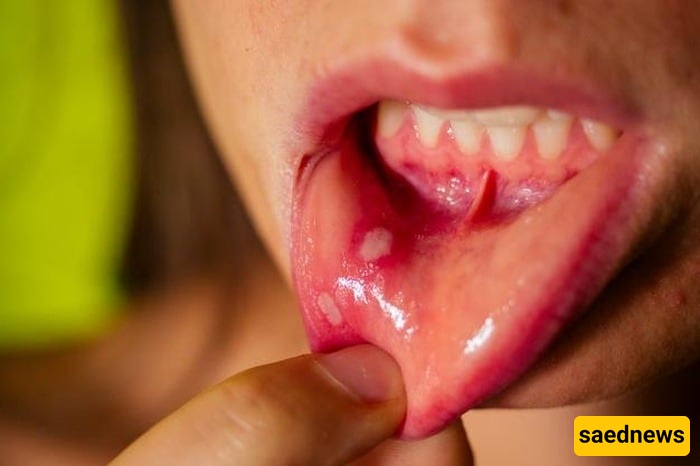
Because basil contains compounds with potential anti-inflammatory and antimicrobial properties, it has traditionally been used to soothe mouth irritation and ulcers.
A traditional mouth rinse can be prepared by boiling four cups of water, adding basil leaves, and allowing them to steep for approximately 10 minutes. After cooling, the liquid can be refrigerated and used as a mouth rinse twice daily.
Prepare it hygienically and discard it if its appearance or smell changes. Evidence supporting this remedy is limited. Recurrent, unusually painful, or persistent mouth ulcers should be evaluated by a healthcare professional.
Basil provides antioxidants, magnesium, and other biologically active plant compounds that contribute to general nutritional health.
Some animal studies suggest that basil extracts may influence sperm quality, sperm count, sperm motility, and certain reproductive hormones. These findings have prompted interest in the possible effects of basil on male reproductive health.
However, human evidence is insufficient to establish that basil increases testosterone or treats male infertility. Eating basil as part of a balanced diet is reasonable, but it should not be considered a fertility treatment.
Basil also has a notable place in Islamic traditional literature and religious narrations. These accounts reflect historical religious and medicinal traditions and should not be treated as equivalent to evidence from modern clinical research.
A narration attributed to Imam Ja'far al-Sadiq states:
“Al-hawk is a plant of the prophets, and it possesses eight qualities: it aids digestion, opens blockages, sweetens the breath, makes the body's scent pleasant, stimulates appetite, removes illness, provides protection against leprosy, and, when it settles in the human stomach, suppresses all disease.”
Source cited in the original Persian text: Al-Kafi, Islamic edition, volume 6, page 364, narration 4.
These statements belong to traditional religious literature and are not established medical claims.

Another narration states:
“Whoever eats badhrouj (wild basil), God commands the angels to record only good deeds for that person.”
Source cited in the original Persian text: Makarim al-Akhlaq, page 179.
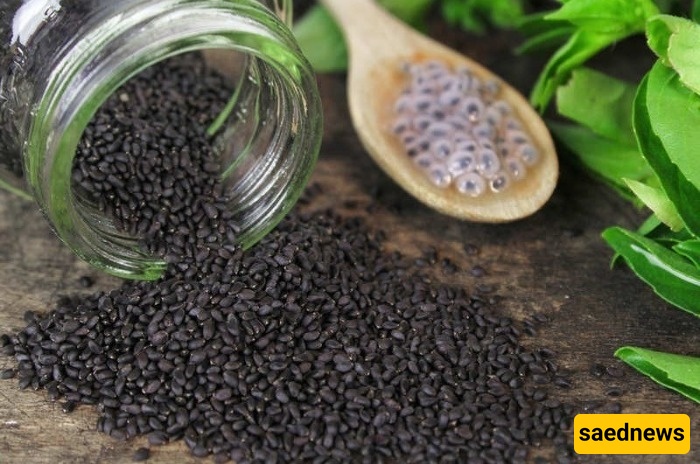
Basil seeds develop a gel-like coating when soaked in water. They are commonly used in traditional drinks and foods and are valued for their fiber content.
When soaked, basil seeds absorb water and develop a gelatinous coating. Their fiber content may help increase feelings of fullness and support appetite management.
Their potential role in weight management comes primarily from these effects, rather than from any direct fat-burning action.
The fiber and mucilage in basil seeds can help soften stools and support regular bowel movements, provided they are consumed with sufficient water.
Suddenly increasing fiber intake without drinking enough fluids may worsen digestive discomfort.
Traditional medicine has used roasted basil seeds to help relieve diarrhea.
Their mucilage may help soothe the digestive tract, but clinical evidence for this specific use is limited. Persistent diarrhea, bloody stools, fever, or signs of dehydration require medical attention.
The gel formed by soaked basil seeds may help soothe the throat and reduce discomfort associated with dryness or irritation.
This may provide temporary relief from throat irritation, but it does not treat the underlying cause of a cough.
Basil seeds are traditionally used to soothe the throat and relieve discomfort associated with dry coughing.
They do not cure the common cold or eliminate the viruses responsible for it.
The fiber in basil seeds may slow the absorption of carbohydrates and help moderate increases in blood glucose after meals.
However, evidence specifically examining basil seeds in humans is limited. People taking diabetes medications should not use basil seeds as a substitute for treatment or alter their medication without medical advice.
Fiber and plant-based compounds in basil seeds may contribute to cardiovascular health when consumed as part of a balanced diet.
Their overall benefits depend on the wider dietary pattern, and they have not been established as a treatment for heart disease.
Basil seeds contain plant compounds and nutrients that can contribute to overall nutritional health. A balanced diet supports normal skin function, but there is insufficient evidence that basil seeds directly treat skin conditions or improve the skin independently of general nutrition.
If you are wondering what dried basil is good for, it retains many of the herb's characteristic aromas and some of its beneficial plant compounds.
Dried basil can be used in everyday cooking to add flavor. Its aromatic compounds may support digestion and help reduce feelings of bloating or heaviness in some people, although these effects are not firmly established in clinical studies.
Compared with fresh basil, dried basil contains less water and may lose some heat- or storage-sensitive vitamins. However, it still contains aromatic and phenolic compounds.
For best quality, store dried basil in an airtight container away from light and moisture. Adding it toward the end of cooking can help preserve its aroma.
There is an important distinction between eating basil in normal culinary amounts and consuming concentrated herbal preparations.
Using basil as an ordinary food herb is different from taking large quantities of basil tea, extracts, supplements, or essential oil. Concentrated basil products may expose users to higher levels of active compounds, including estragole, which has raised toxicological concerns because of genotoxic and carcinogenic effects observed in experimental studies at certain exposures.
During pregnancy and breastfeeding, it is therefore prudent to:
Use basil in ordinary food quantities rather than as a concentrated remedy.
Avoid medicinal doses, concentrated extracts, and essential oils unless specifically advised by a qualified healthcare professional.
Seek professional advice before using basil supplements or herbal preparations regularly.
Basil is generally well tolerated when consumed in ordinary food quantities. Potential concerns are more relevant when it is consumed in large amounts or as a concentrated extract, supplement, or essential oil.
Some people may develop itching, skin redness, or other allergic symptoms after exposure to basil.
Stop using it if a reaction occurs. Seek emergency care if you experience difficulty breathing or swelling of the throat or tongue.
Concentrated basil preparations may potentially lower blood glucose. People with diabetes should exercise caution when using large amounts alongside glucose-lowering medication because of the possibility of hypoglycemia.
Some basil compounds may affect platelet activity. High-dose preparations could therefore pose a concern for people with bleeding disorders or those taking medications that affect blood clotting.
Concentrated basil products may potentially lower blood pressure. People taking antihypertensive medication should seek professional advice before using high-dose preparations, particularly if they are prone to dizziness or fainting.
Basil essential oil is highly concentrated and should not be consumed casually or in large amounts.
Certain constituents, including estragole, have raised safety concerns at high exposures. Essential oils may also cause irritation or allergic reactions, particularly when applied undiluted to the skin.

Ordinary culinary use of basil is generally less concerning than the use of concentrated extracts, supplements, or essential oils.
Blood thinners and antiplatelet medicines: Examples include warfarin, aspirin, and clopidogrel. Because some basil compounds may influence platelet activity, high-dose preparations could potentially increase bleeding risk.
Diabetes medications: Basil may potentially affect blood glucose levels. Combining concentrated preparations with glucose-lowering medication could increase the risk of hypoglycemia.
Blood pressure medications: If concentrated basil preparations lower blood pressure, combining them with antihypertensive drugs could increase the risk of dizziness or low blood pressure.
Before surgery: Because of potential effects on bleeding and blood glucose, inform your healthcare team about any basil supplements, concentrated extracts, or essential oils you use before undergoing surgery.
The clinical significance of many of these interactions has not been firmly established in humans. Nevertheless, people taking prescription medication should consult a healthcare professional before using concentrated basil products.
Basil is a versatile aromatic herb that contributes flavor, vitamins, minerals, and antioxidant plant compounds to the diet. Green and purple basil share many properties, while purple basil contains more anthocyanins. Basil seeds provide fiber and form a gel when soaked, and dried basil offers a convenient way to add flavor to everyday meals.
Although traditional Persian and Islamic medicine describe numerous uses for basil, scientific evidence varies considerably between proposed benefits. Basil can be a useful part of a balanced diet, but it should not replace established medical treatments.
For most people, moderate culinary consumption is the simplest and most practical way to enjoy basil, while concentrated extracts and essential oils require greater caution, particularly during pregnancy, breastfeeding, or when taking medications.